
Archery Blog
EVA Foam vs Straw Targets: Which Should You Buy?
Jul
A decent EVA foam block runs about $40–$90 and shrugs off 10,000-plus shots. A traditional coiled straw boss costs closer to $25–$50 but starts shedding stuffing after a wet season. That price gap is where most people stop thinking — and it’s exactly where they choose wrong. The right target isn’t the cheaper one; it’s the one that matches your bow’s draw weight and how you actually practice. This guide breaks down where each material shines and where it fails you.
EVA Foam vs Straw Targets: The Short Answer
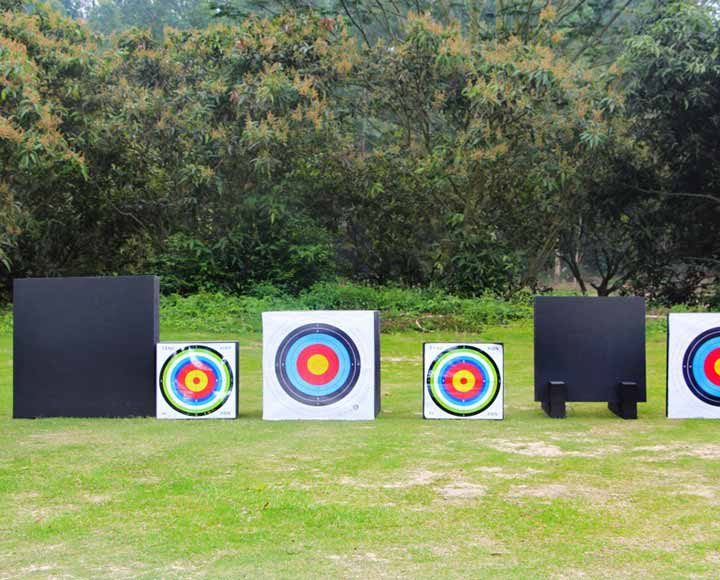
EVA foam and straw solve the same problem — stopping an arrow safely — in completely different ways. Foam uses dense, closed-cell material that grabs the shaft with friction and springs back after you pull the arrow. Straw stops arrows by sheer packed mass, letting the point wedge between tightly bound fibers. Foam is the better pick for compound shooters, hunters practicing with broadheads, and anyone who leaves a target outdoors. Straw earns its place for club recurve lines, traditional shooters, and archers who care most about easy arrow removal and a low upfront price.
| Factor | EVA Foam Target | Straw Target |
|---|---|---|
| Best for | Compound, hunting, broadheads | Recurve, traditional, light bows |
| Draw weight ceiling | Handles 60–70+ lbs | Best under 40 lbs |
| Weather resistance | High — sheds rain | Low — sags and rots |
| Arrow removal | Moderate (harder at high poundage) | Very easy |
| Lifespan | 3–8 years | 1–3 seasons |
| Typical price | $40–$90 | $25–$50 |
What Is an EVA Foam Target?
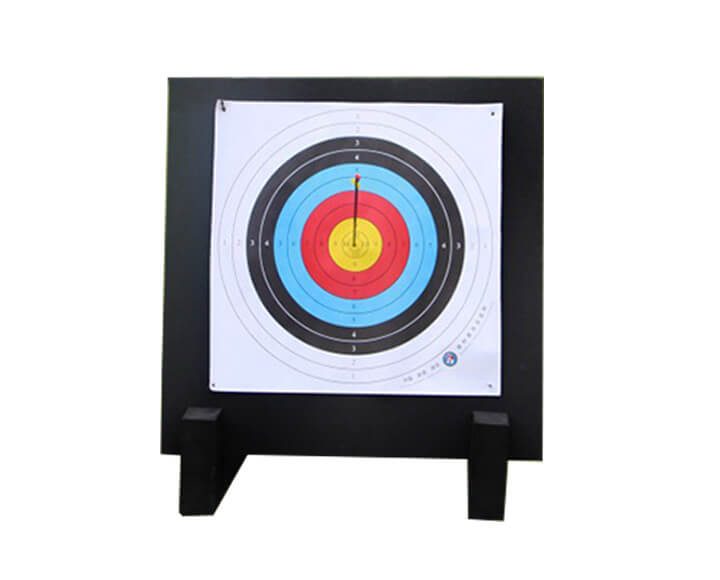
EVA stands for ethylene-vinyl acetate, a closed-cell foam that’s tough, slightly springy, and self-healing. When an arrow drives in, the foam compresses around the shaft and then relaxes once you pull it out, leaving only a small entry mark instead of a gaping hole. That self-healing property is why a single block can survive thousands of shots before the center wears out.
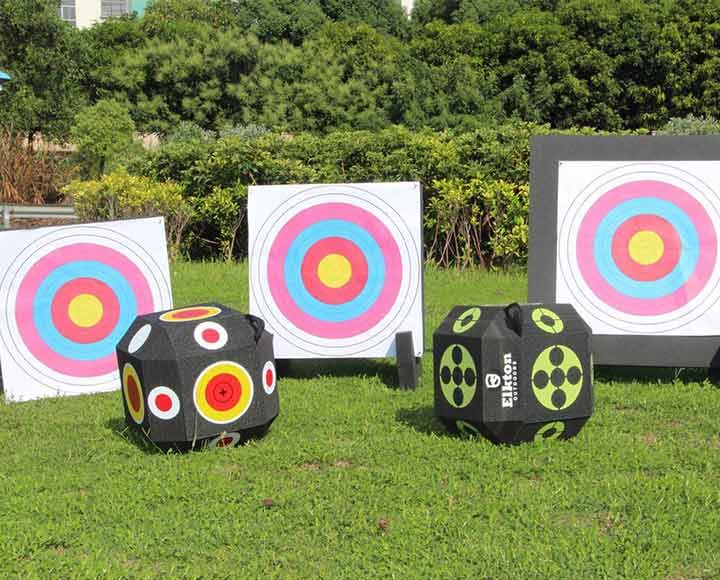
Foam targets come in three common shapes: flat block targets you pin a paper face to, layered bag-style foam, and molded 3D animal targets for hunting practice. The block style is the workhorse for backyard ranges because it’s light enough to carry with one hand and dense enough to stop a modern compound arrow cold. If you want the full breakdown of every option, our guide to archery target types covers bag, foam, and 3D side by side.
What Is a Straw Target?
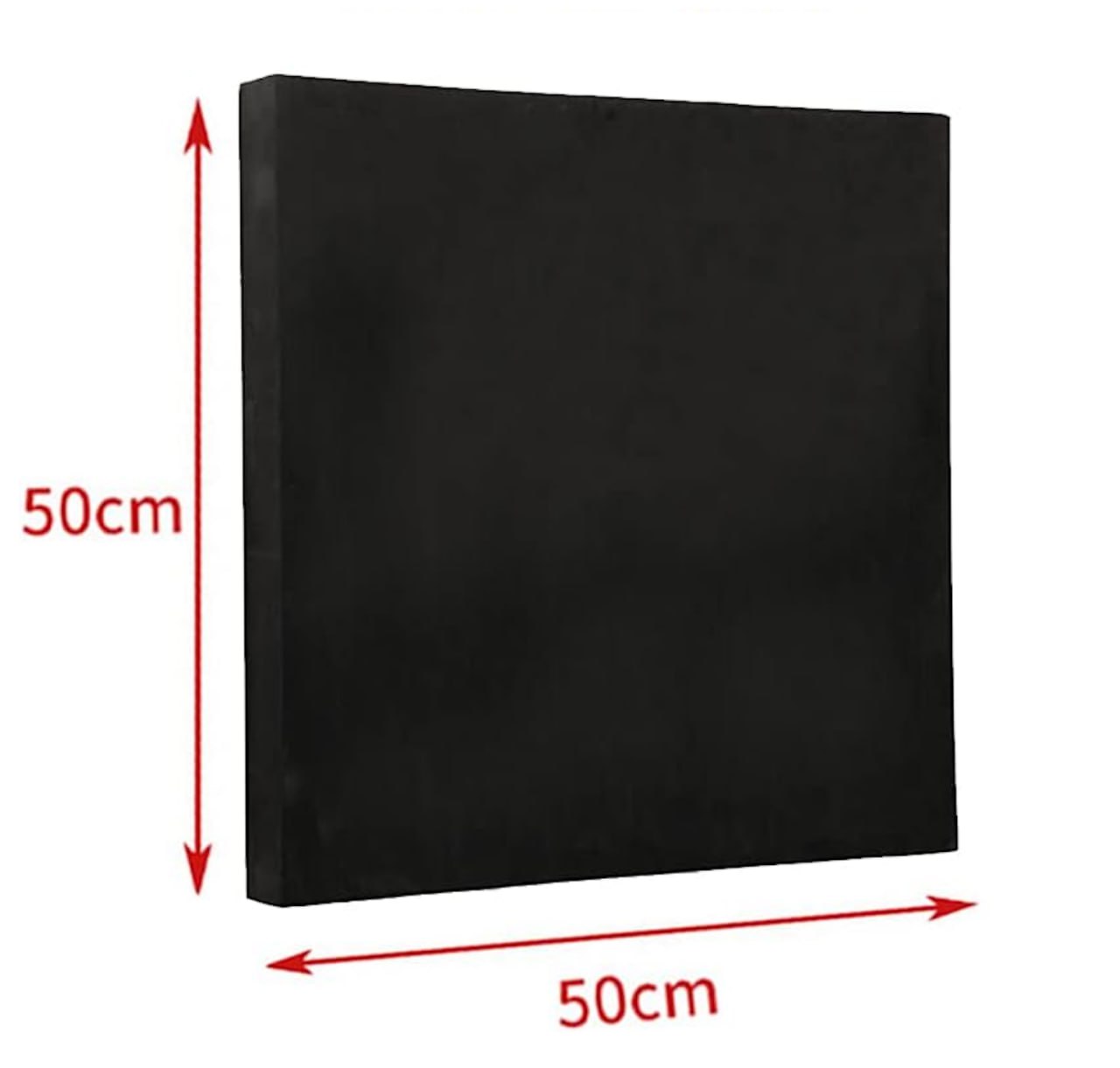
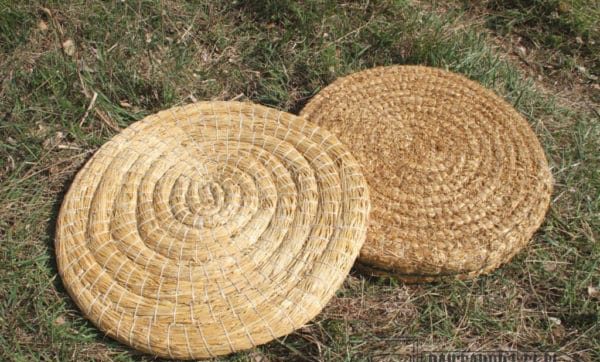
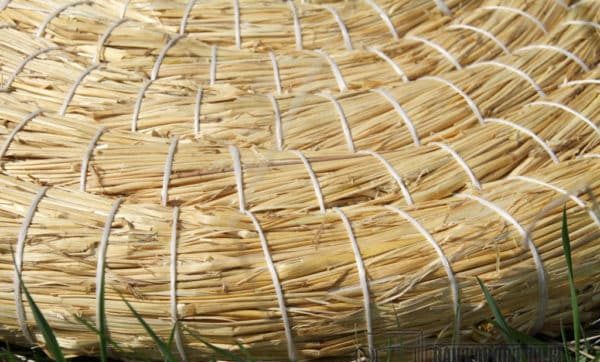
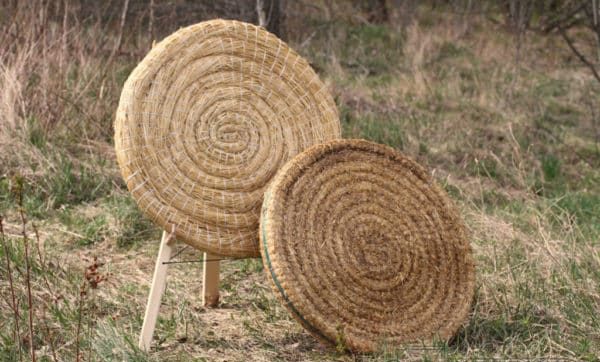
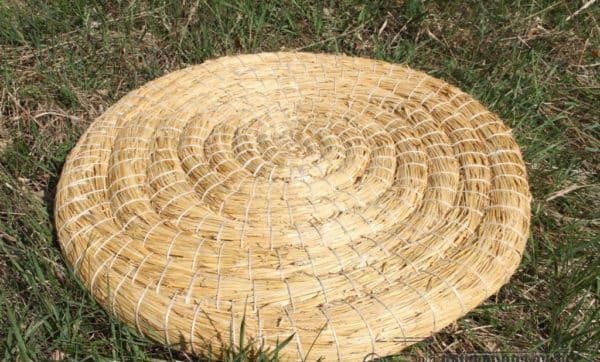
A straw target — sometimes called a straw boss — is exactly what it sounds like: layers of straw or rush packed and bound tight with cord into a dense disc, usually around 50cm (about 20 inches) across. Three-layer bosses run 5–6cm thick; five-layer versions push past 10cm for heavier stopping power. Archery clubs have leaned on them for generations because they’re cheap to replace and forgiving when a stray arrow drifts wide.
The appeal is tactile. Straw grips a field point gently, so pulling arrows takes almost no effort, and it won’t blunt your points the way overly hard foam can. The trade-off is mass and moisture. A soaked straw boss gets heavy, starts to sag out of round, and eventually rots from the inside. Keep one dry and it’ll serve a club recurve line for a couple of seasons; leave it in the rain and you’ll be buying another by spring.
Stopping Power: Which Handles Higher Draw Weight?
This is the factor that should decide your purchase, and it’s the one most beginners overlook. Stopping power comes down to density and thickness. A modern compound bow at 60–70 pounds launches an arrow fast enough to bury it deep — or punch clean through a target that isn’t rated for it. A pass-through is dangerous and it destroys arrows against whatever is behind the target.
EVA foam and layered polyethylene foam are built for that energy. High-density foam decelerates a fast arrow over a short distance without letting it exit the back. Straw handles light traditional and recurve bows under about 40 pounds well, but push a heavy compound into a thin straw boss and arrows will bury to the fletching or blow straight through the coils. If you shoot anything over 40 pounds, foam isn’t a preference — it’s a safety requirement.
What About Broadheads?
Broadheads change the math entirely. Their sharpened blades cut instead of push, so they penetrate far deeper than field points at the same speed. Straw is a poor match — the blades slice through the fibers, tangle the cord, and tear the boss apart in a handful of shots. Bag targets can’t handle them either.
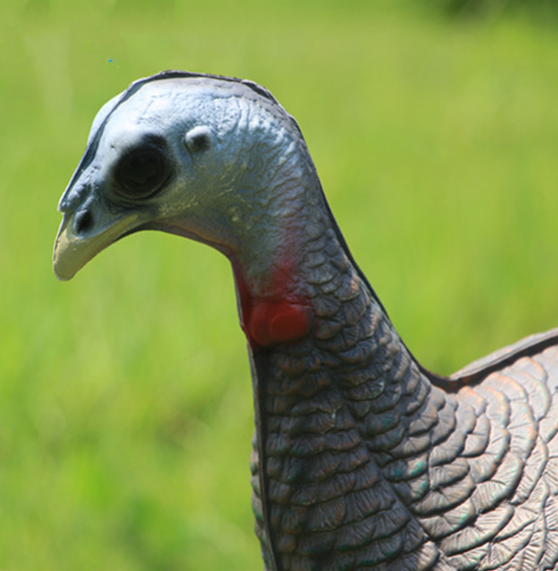
Dense EVA and layered foam targets, especially molded 3D targets, are designed to take broadheads and self-heal around the cut. If you’re a bowhunter sighting in for season, a foam 3D target is the only sensible choice on this list. It also builds the muscle memory of aiming at a realistic animal silhouette rather than a flat bullseye.
Arrow Removal: Which Pulls Easier?
Straw wins this one outright. Its loose fiber structure lets a field point slide free with a light tug, which is why it’s a favorite for high-volume practice where you’re pulling dozens of arrows every few minutes. Nobody wants to fight a target 200 times an evening.
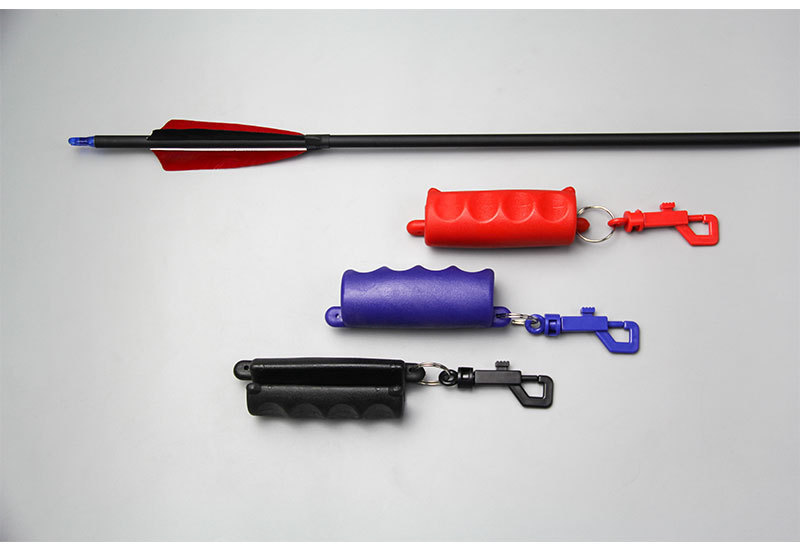
Foam is more variable. A well-made foam block releases arrows cleanly, but a heavy compound can drive a shaft in deep enough that removal takes real effort — and yanking at a bad angle bends arrows or leaves inserts behind. A cheap arrow puller with a rubber grip solves this instantly, saving your shoulders and your shafts. It’s the single most underrated accessory a foam-target owner can buy.
Durability and Lifespan
Here’s where the upfront price gap flips. A quality EVA foam target lasts three to eight years depending on how often the center gets hammered. When the middle wears out, you rotate the block, flip it, or replace just the core face instead of the whole target. Foam also laughs at rain — a quick dry-off and it’s ready again.
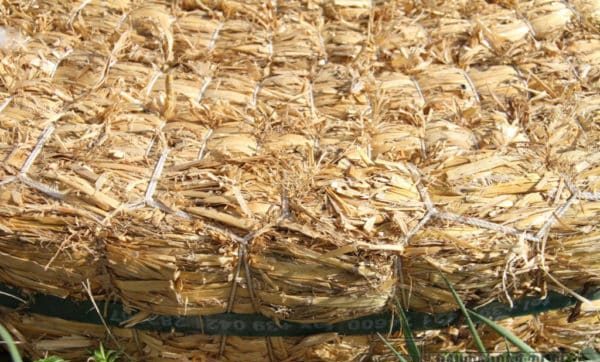
Straw ages faster and less gracefully. Constant impacts in the same spot loosen the coils, moisture invites rot, and after a season or two the boss sags out of round and stops holding arrows reliably. A worn straw target isn’t just tired — it’s a safety issue, because a soft, degraded boss lets arrows pass through. The photo below shows the fraying and edge wear that signals a straw boss is near the end of its service life.
Cost Over Time — Not Just Sticker Price
Straw wins the checkout line and loses the long game. Say a straw boss costs $35 and you replace it every 18 months of regular use — that’s roughly $23 a year, and more if you shoot heavily or leave it out. A $70 foam block that lasts five years works out to about $14 a year, and you’re not hauling a rotting boss to the curb every other season.
The math tilts even harder toward foam for compound and hunting archers, because straw simply can’t take that abuse — you’d be replacing bosses constantly or destroying arrows on pass-throughs. For a light recurve club line shooting field points all day, straw’s easy pulls and low replacement cost can still make it the smarter buy. Match the target to the bow, not to the price tag.
Which Should You Buy?
Buy an EVA foam target if you shoot a compound bow, practice with broadheads, hunt, leave your target outdoors, or want one target that lasts years without fuss. It’s the default recommendation for the vast majority of today’s archers, and it’s the only safe option above 40 pounds of draw weight.
Buy a straw target if you shoot a light recurve or traditional bow under 40 pounds, run a club line where dozens of archers pull arrows constantly, or want the gentlest possible treatment for wooden and light carbon arrows. Just commit to keeping it dry and store it under cover between sessions.
How to Make Either Target Last Longer
Whatever you buy, aim your groups around the face, not into one dead-center hole. Concentrating every shot on the exact same spot is what kills a target’s core, foam or straw. Rotating your point of aim across the target face spreads the wear and can double its usable life. Store both types out of direct sun and rain — UV degrades foam over years and moisture is straw’s enemy overnight.
Pair your target with a proper backstop net so the occasional flyer doesn’t damage arrows or your fence, and set it on a stand at shoulder height so arrows enter straight. If you’re building a home setup from scratch, our backyard archery range setup guide walks through safe distances, backstops, and stand height, and new shooters should start with our complete beginner’s guide to archery.
The honest bottom line: if you’re buying one target to cover most situations and you don’t want to think about it again for years, get the foam. Straw is a specialist’s tool — brilliant for a light traditional bow and easy arrow pulls, but a mismatch for the fast, heavy setups most archers shoot today. Pick for your bow and your weather, and either one will earn its keep.
Sources
- Prime Archery — Choosing the Right Type of Target for Your Bow — manufacturer breakdown of target materials by bow type.
- Boss Targets — The Ultimate Guide to Choosing Foam for Archery Targets — foam density and layered construction explained.
- Foam Factory, Inc. — Polyethylene Foam Archery Targets — closed-cell foam density and stopping power specs.
- World Archery — governing body reference for target standards and equipment.
