
Archery Blog
Recurve vs Compound Bow: Which Is Right for You?
Jul
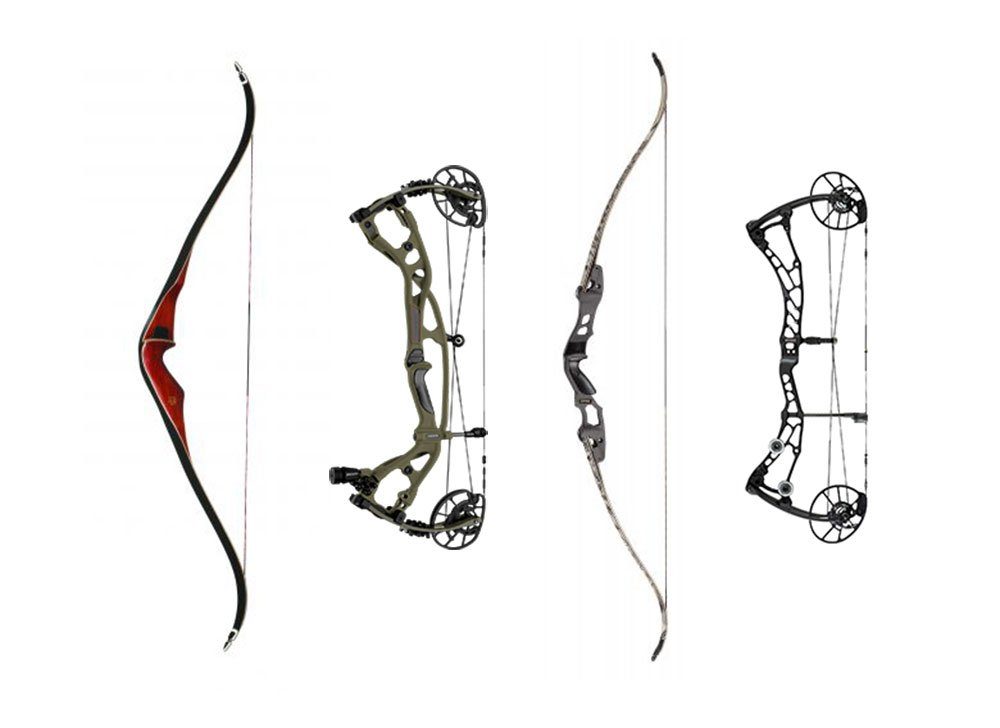
Walk into any archery pro shop and the wall splits in two: graceful, curved limbs on one side, wheeled machines strung with cable on the other. The recurve vs compound bow question is the first fork every new archer hits, and picking wrong means either fighting equipment that’s too demanding or paying for technology you don’t need. A $150 recurve and a $700 compound both put an arrow in a target — they just get there in completely different ways.
Both styles have Olympic pedigrees, dedicated communities, and real strengths. This guide breaks down how each works, then compares them head-to-head on accuracy, speed, cost, maintenance, and portability so you can match the bow to how you actually plan to shoot.
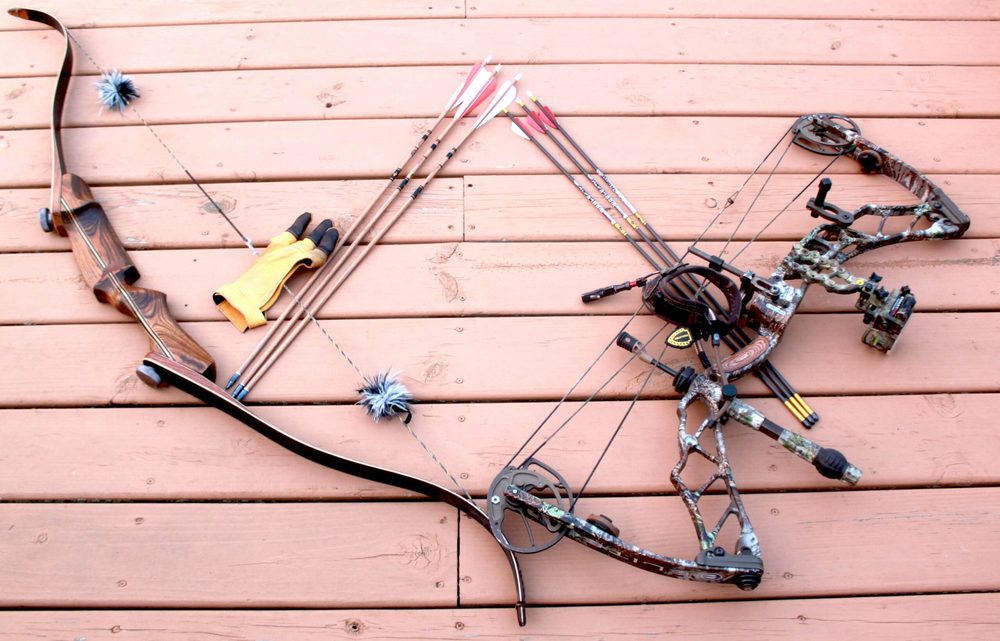
How Recurve and Compound Bows Work
The mechanical difference between these two bows explains almost every other trade-off on this page. Understand the draw cycle of each and you’ll already know which one fits your goals.
Recurve Bow Mechanics
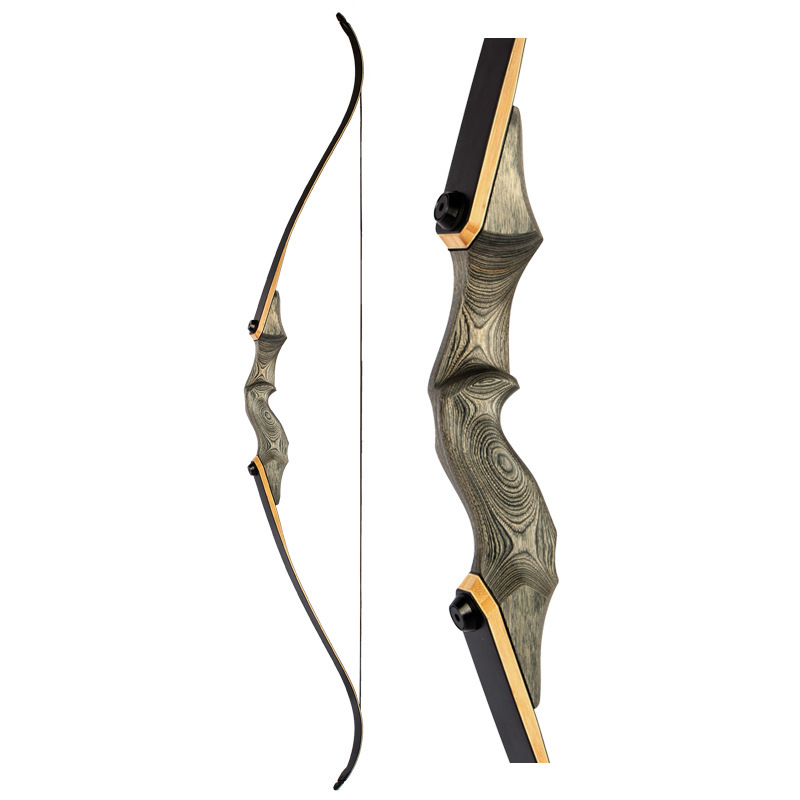
A recurve gets its name from limbs that curve back away from the archer at the tips. That shape stores more energy than a straight-limbed longbow of the same length, and it’s a design that predates gunpowder by a few thousand years — horseback armies and modern Olympians have both trusted it. When you pull a recurve, resistance climbs steadily to full draw and stays there. You hold every pound of that draw weight while you aim, which is exactly why coaches like it for beginners: there’s nowhere to hide sloppy form.
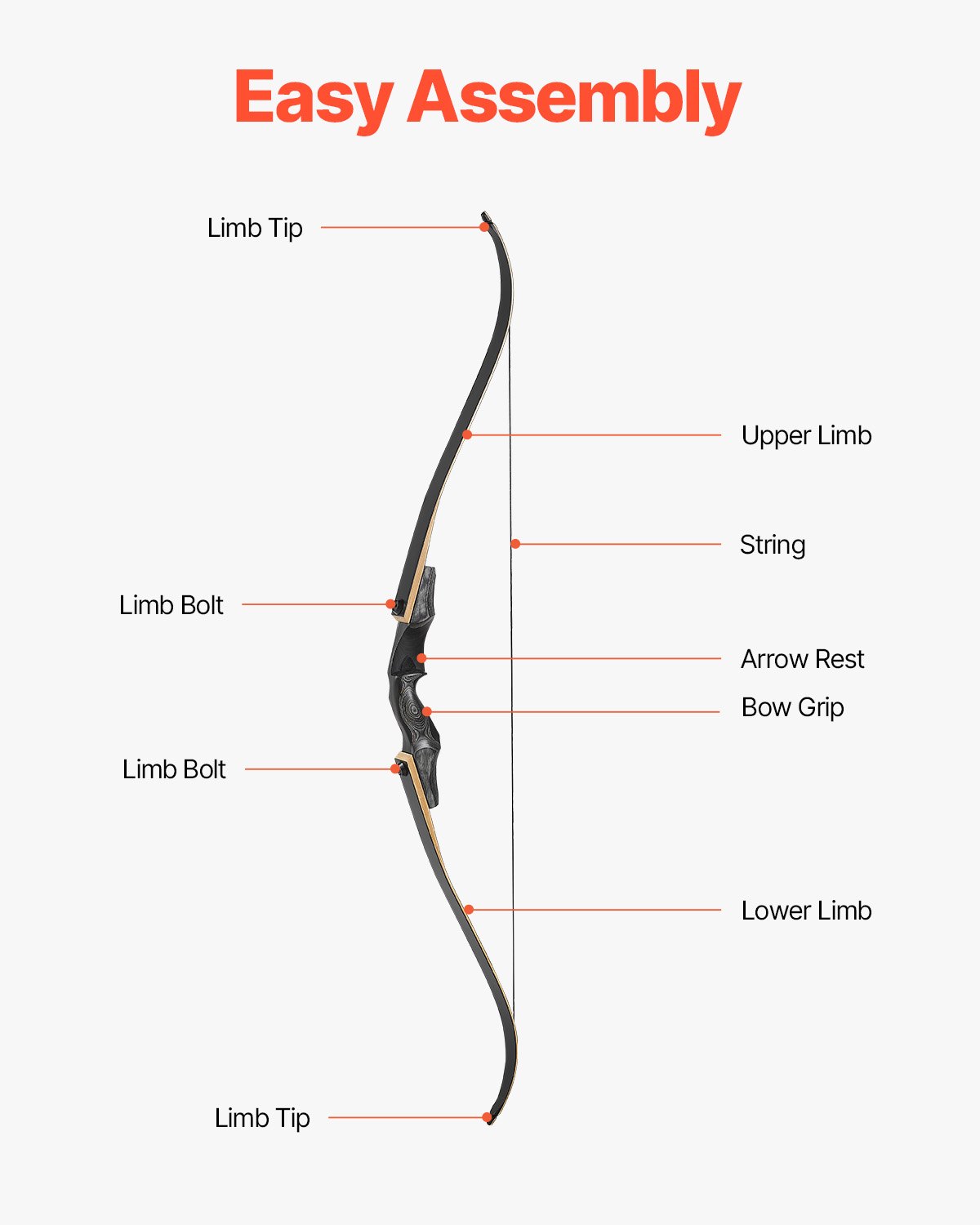
Fewer moving parts also means fewer things to break. A recurve archer carries a spare string and can swap it in the field in minutes. Most modern recurves are takedown models — the riser and both limbs separate, so the whole bow drops into a case the size of a tennis racket bag. If you want to go deeper on dialing in a recurve, our recurve bow tips for beginners covers anchor points and consistency.

Compound Bow Mechanics
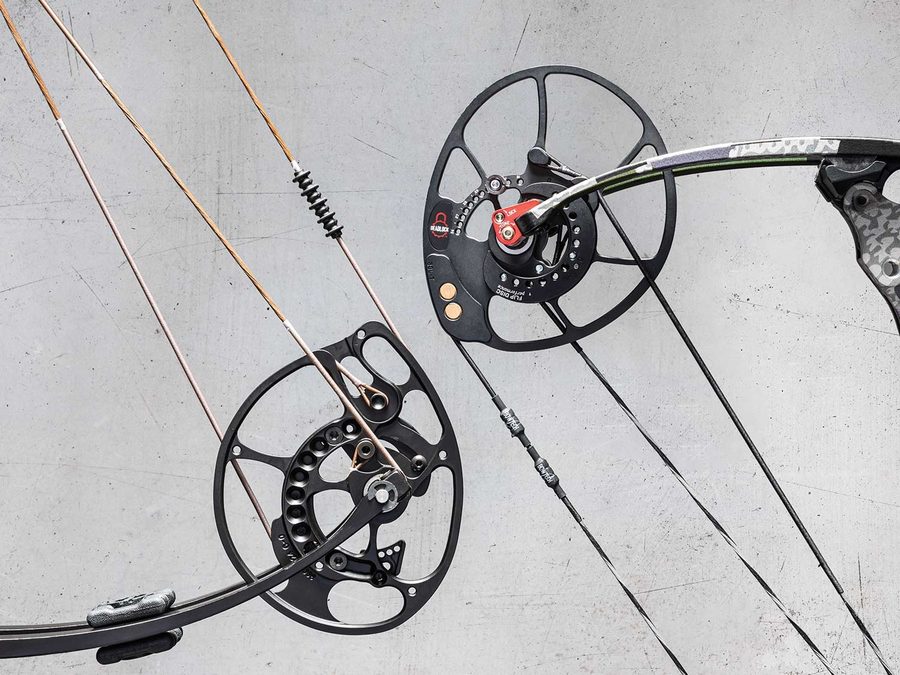
A compound bow routes its string through a system of cables and cams — the eccentric wheels mounted at each limb tip. Those cams create a mechanical advantage that dumps most of the holding weight once you reach full draw, a feature called let-off. Pull a 60-pound compound and you might hold only 9 to 15 pounds while you settle the sight, because let-off typically runs 65 to 85%. That’s the whole trick, and it changes how the bow shoots. We break the physics down further in let-off explained.
Because you’re barely holding any weight at the aiming stage, you can float on target for several seconds without your arm shaking — the single biggest reason hunters wait out a nervous deer with a compound in hand. The cost is complexity: cams, cables, timing, and a draw cycle that has to be tuned rather than just strung.
Recurve vs Compound Bow: Side-by-Side Comparison
Here’s the short version before we get into each category. If you only read one thing on this page, read this table.
| Factor | Recurve Bow | Compound Bow |
|---|---|---|
| Holding weight at full draw | 100% of draw weight | 15–35% (thanks to let-off) |
| Arrow speed | 150–200 fps | 300–340 fps |
| Ease of aiming | Demanding – relies on the archer | Easier – mechanical assistance |
| Typical starter cost | $100–$200 | $300–$500 |
| Maintenance | Wax string, done at home | Bow press, cam timing, pro shop |
| Portability | Takedown, packs small | One piece, needs a hard case |
| Best for | Target, traditional, Olympic | Hunting, fast accuracy |
Accuracy: Which Bow Is More Precise?
For a first-year archer, a compound is easier to shoot accurately, and it isn’t close. Let-off buys you a calm, extended aiming window, and accessories built into the platform — a peep sight, a mechanical release, a stabilizer bar — strip out the human error a recurve leaves exposed. Plenty of compound shooters are punching tight groups at 40 yards inside a few months.
Recurve accuracy is earned, not bought. With no let-off and no release aid, every shot depends on repeatable form: the same anchor, the same back tension, the same clean release. The ceiling is just as high — Olympic recurve archers hit a 122 cm target at 70 meters — but the climb is steeper. That’s the honest trade: a recurve makes you a better archer because it refuses to cover for you. Getting your draw weight right matters more on a recurve than a compound, since you hold every pound of it.
Speed and Power: Compound Pulls Ahead
At equal draw weights, a compound flat-out outruns a recurve. Modern compounds launch arrows at 300 to 340 feet per second; a recurve of the same poundage lives in the 150 to 200 fps range. That extra speed flattens arrow trajectory and delivers more kinetic energy downrange, which is why it matters most when you’re aiming at something that can move.
For bowhunting, that speed is a genuine safety and ethics margin — a faster arrow gives a game animal less time to “jump the string” and react before impact. For paper and foam targets, though, raw speed is close to irrelevant. A 180 fps recurve arrow and a 330 fps compound arrow both score a 10 if you aim them right; consistency wins on the target line, not velocity.

Which Bow Is Easier for a Beginner to Learn?
This is where most people actually make the decision, and the answer depends on what “easier” means to you. If you want arrows on target fast and don’t care how, the compound wins — the mechanical help shortens the payoff curve dramatically. If you want to genuinely learn to shoot, many coaches still push new archers toward a recurve first, because the fundamentals you build transfer to any bow, compound included.
There’s a budget angle too. A recurve lets you buy a riser once and upgrade limbs as your strength and skill grow, so you invest gradually. A compound usually locks you into its draw-length and weight range; growing past it often means a new bow.
Maintenance and Reliability
A recurve is close to maintenance-free. Wax the string every few weeks, glance at the limbs for cracks, store it unstrung or in a cool dry spot, and that’s the routine. Almost everything can be done at your kitchen table with a $5 tube of string wax.
A compound asks for more. Strings and cables stretch and eventually need replacing, cams drift out of time, and most of those jobs require a bow press and a bit of know-how — which is why compound shooters usually book an annual tune-up at a pro shop. None of it is hard once you learn it, but it is real ongoing work, as our compound bow maintenance guide lays out season by season.
Portability, Storage, and Travel
Takedown recurves break into three pieces and reassemble in under a minute, so they fit a backpack or a carry-on and shrug off cramped apartment storage. Compounds stay assembled as a single unit and want a padded hard case for transport, which eats trunk and closet space. A handful of newer compounds fold, but nothing matches a takedown recurve for grab-and-go.
Recurve or Compound: Making Your Choice
Go recurve if you want a traditional, history-rooted way to shoot, gear that’s simple and cheap to maintain, maximum portability, a lower cost to start and to run, or a path into Olympic-style competition.
Go compound if you want the fastest route to tight groups, the arrow speed and holding stability that bowhunting rewards, and a high-tech platform you can adjust and accessorize endlessly.
Neither is the “right” answer — the truth is most archers who stick with the sport end up owning both, because they’re fun for different reasons. If you’re still on the fence, buy the recurve. It costs less, teaches you more, and if you fall for archery you’ll appreciate the compound far more once you’ve earned your form the hard way.
Sources
- World Archery – Recurve Equipment — governing-body reference on Olympic recurve bows and draw weights.
- World Archery – Compound Equipment — cam systems, let-off, and compound competition specs.
- Olympics.com – Recurve vs Compound in Archery — differences between the two bow styles in competition.
- Outdoor Life – Recurve vs Compound Bow — performance, design, and shooting-style comparison.
