
Archery Blog
State-by-State Hunting Regulations: A Bowhunter’s 2026 Guide to Tags, Seasons & Gear Laws

Jun
A bowhunter who’s perfectly legal in Pennsylvania can be a poacher in Oregon. Hunting regulations in the United States are written state by state — there is no single federal rulebook for deer, elk, or turkey seasons. The bow you tuned for your home woods may not meet the minimum draw weight in Colorado, your over-the-counter tag from one state may require a draw application across the border, and the broadhead you’ve shot for a decade might be banned 200 miles away.
This guide walks through how state-by-state hunting regulations actually work, what categories matter most to bowhunters, and how to stay legal whether you’re chasing whitetails in Ohio, bugling elk in Idaho, or stalking javelina in Arizona. We’ll cover tags, season frameworks, equipment laws, public-land access, mandatory reporting, and the resources that keep you current as rules shift year over year.
Why Bowhunting Regulations Vary So Wildly Between States
State sovereignty over wildlife is older than the country itself. Each state fish and wildlife agency manages game populations within its own borders using its own biologists, harvest data, and political pressure. A state with booming deer numbers may allow multiple antlerless tags and a six-month archery window. A neighboring state recovering from epizootic hemorrhagic disease losses may issue tags by lottery and shut the archery season at the first hard frost.
Game biology drives the calendar
States set archery seasons around the rut, the calving window, and post-fawn population objectives. Northern states tend to open in mid to late September to put hunters in stands before the pre-rut. Southern states often run their archery seasons deep into January or even February, because southern whitetails rut later and antlerless harvest pressure needs an extended window to hit doe targets.
Politics shapes the equipment rules
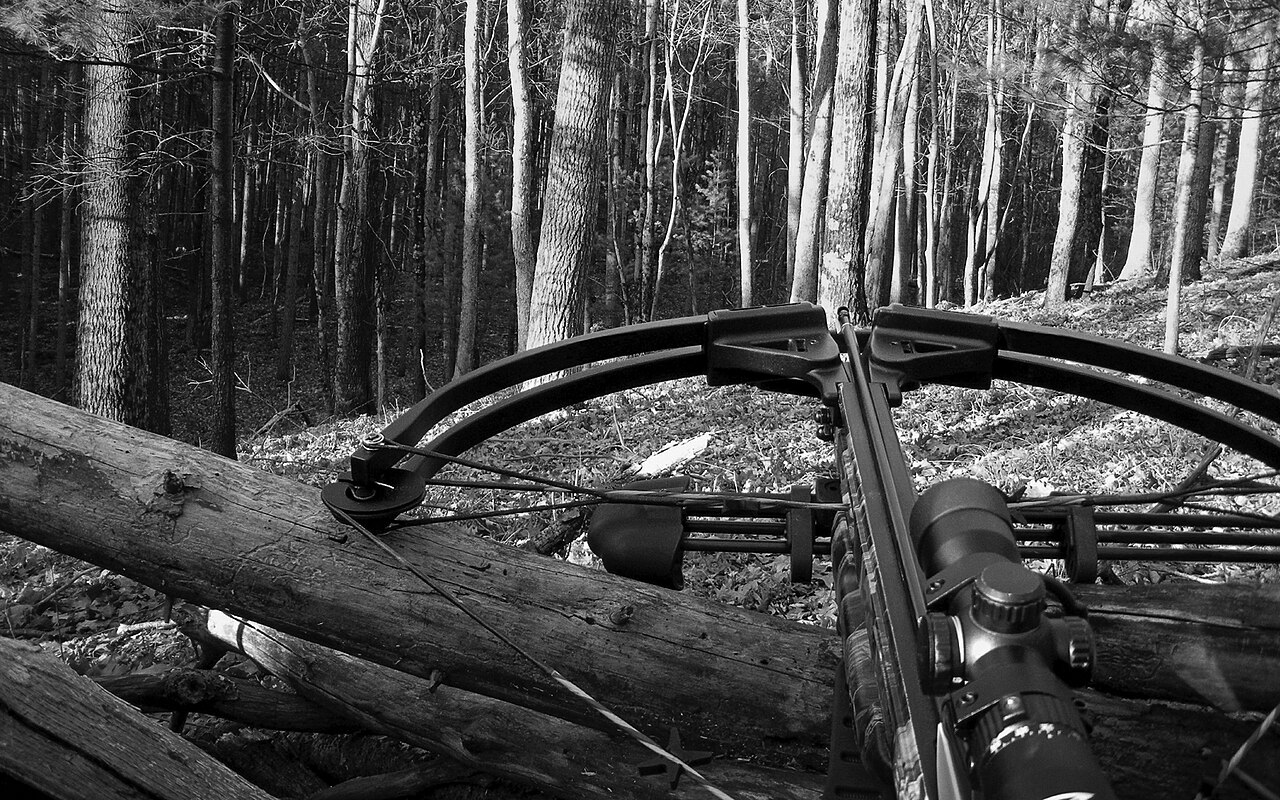
Crossbow inclusion in archery seasons is the most visible example. Some states fold crossbows fully into the archery framework — anyone with an archery tag can shoot a crossbow on opening day. Others restrict crossbows to gun season, to disabled hunters under a permit, or to seniors above a specific age. The same regulatory pressure shapes minimum draw weight, legal broadhead profiles, mechanical broadhead restrictions, and arrow-tip cutting width.
Tags, Licenses, and Application Deadlines
Every state requires a hunting license to legally pursue big game with archery equipment. Most states then layer additional tags or stamps on top of that base license — a deer tag, an elk tag, an antlerless permit, a habitat stamp, sometimes a separate archery stamp. The naming differs, but the layered structure is consistent.
Over-the-counter versus draw tags
States like Pennsylvania, Wisconsin, Michigan, and Texas sell most archery tags over the counter — you buy them online or at a sporting goods store the day before you hunt. Western trophy states including Wyoming, Arizona, New Mexico, Nevada, and most of Utah issue elk, sheep, mountain goat, and mule deer tags through a draw lottery system. Application windows for fall seasons often close in January, February, or March, months before the hunt itself.
Resident versus nonresident pricing
Out-of-state hunters pay anywhere from five to twenty times what residents pay for the same tag. A nonresident elk tag in Colorado runs well over $700; a Colorado resident pays under $60. Wyoming, Idaho, and Montana cap nonresident tags at roughly 10 to 20 percent of the available pool, which is why points and preference systems matter for serious DIY western hunters.
Bonus points and preference points
Many western states sell bonus or preference points each year. Bonus points multiply your draw odds in a weighted lottery. Preference points stack and give the highest-point holders first pick of premium units. Skipping a point-buy year can set you back five seasons in sought-after elk or sheep units — treat the point fee like a non-optional subscription if you plan to hunt the West long term.
Shop Hunting License Holders on Amazon →
Archery Season Dates Across the Country
Eastern whitetail states
Archery opens in late September or early October across most of the eastern whitetail range. Pennsylvania, Ohio, Kentucky, West Virginia, Virginia, and the Carolinas typically run archery from October 1 through mid-January with regional variations. The Midwest — Iowa, Illinois, Indiana, Missouri, Wisconsin, Michigan — generally follows a similar window but with stricter antler restrictions and tighter zone boundaries in some units.
Western big-game states
Western archery seasons are short and stack early. Colorado, Wyoming, Montana, and Idaho archery elk seasons often run from late August through late September, ending before rifle hunters arrive. Pronghorn archery seasons can open in mid-August. These compressed windows align with the rut and with rifle season conflicts — miss your window and you’re waiting a full calendar year.
Southern states
Florida, Georgia, Alabama, Mississippi, Louisiana, and Texas run extended archery windows that stretch into January and sometimes February. Texas has the longest combined deer season in the country once you include the late archery-only managed-lands deer permit extensions, which can run into February on enrolled properties.
Legal Equipment Rules — What’s Allowed Where
Minimum draw weight
Most states set a minimum draw weight between 35 and 50 pounds for deer-sized game. Colorado requires 35 pounds. Idaho requires 40 pounds. Several states require 50 pounds or more for elk specifically. A handful of states have no specific draw weight rule but instead require demonstrated penetration capability through an arrow kinetic-energy formula. If you’re a youth hunter, a draw-limited shooter, or someone returning from injury, verify the rule before opening day.
Broadhead requirements
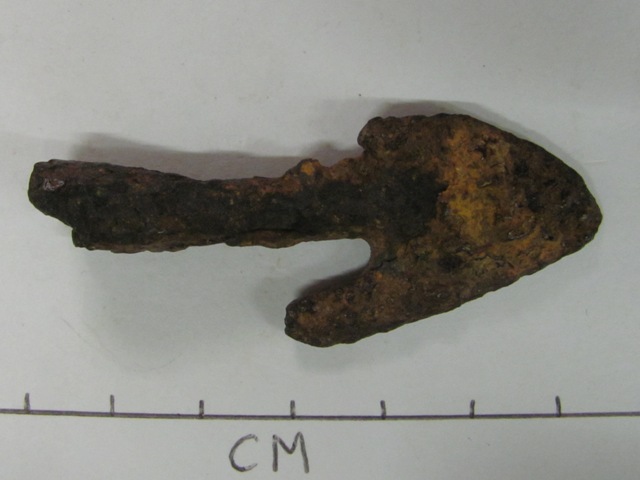
Almost every state requires a broadhead with at least two cutting edges and a minimum cutting diameter — typically 7/8 inch (about 22mm). Some states prohibit barbed broadheads. A few historically restricted mechanical broadheads, though those rules have loosened considerably over the past decade. Check the current regulation digest, not a forum post from 2014.
Lighted nocks, electronic sights, and crossbows
Lighted nocks are legal in most states but banned in a small minority. Electronic sights with rangefinding capability are legal in most archery seasons but banned during specific traditional-archery dates in a few states. Crossbow rules are the single most fragmented area of the entire regulatory landscape — verify the current year’s rule before you cross a state line with a crossbow in the truck.
Shop Fixed-Blade Broadheads on Amazon →
Where You Can Legally Hunt
Public lands
National Forest land managed by the US Forest Service, Bureau of Land Management land, and state Wildlife Management Areas make up the bulk of public hunting access. Some WMAs require a separate access permit on top of your license. Some Forest Service units have closures for active timber sales, wildfire recovery, or wildlife protection — check the agency map before you scout, and again the week of your hunt.
Private land and permission
You must have written or verbal permission from the landowner to hunt private property in most states. A few states require permission to be written and physically carried. Trespassing while hunting carries criminal penalties in every state and a hunting license revocation in most — a single conviction can shut you out of the system across multiple states under interstate wildlife violator compact agreements.
Special-use areas and refuges
National Wildlife Refuges and many state parks allow archery hunting on specific dates, often by lottery permit. Some refuges run archery-only youth hunts that are excellent low-pressure opportunities for new hunters. Apply early — these permits often draw months before the hunt.
Tagging, Transport, and Mandatory Reporting
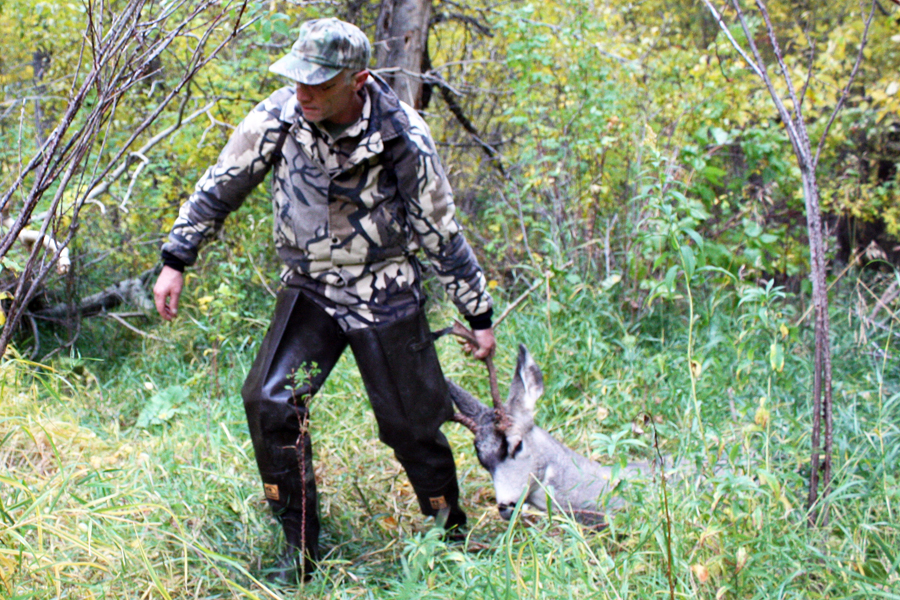
Once you take an animal, the regulatory work isn’t done. Most states require you to immediately notch your tag with the date and attach it to the carcass before moving the animal. Field check stations are mandatory in some states — Wyoming requires CWD sample station checks for certain elk and deer units. Many states have moved to online harvest reporting within 24 to 72 hours of recovery, and a missed report can void the tag retroactively.
Chronic wasting disease testing is now mandatory or strongly encouraged in dozens of states. Carcass transport rules across state lines are stricter than most hunters realize — many states ban importing unprocessed carcasses or specific portions like spinal columns and skulls with brain tissue intact from out-of-state hunts. Plan to debone or process at camp if you’re driving home across a CWD-restricted border.
How to Stay Current as Regulations Change Each Year
Every state publishes an annual regulations digest, usually available as a free PDF and at license-selling vendors. Read the digest for every state you hunt every year — even a state you’ve hunted for two decades. Season dates shift, unit boundaries redraw, and equipment rules add or remove restrictions annually based on biologist recommendations and legislative action.
The state fish and wildlife agency website is the authoritative source — not a hunting forum, not a podcast host, not an outfitter’s brochure. If the website conflicts with the printed digest, call the agency directly. Hunter education courses also publish state-specific supplements that summarize new rule changes year over year. Build a 15-minute pre-season review into your packing checklist.
Shop Hunting Regulation Guides on Amazon →
The Bottom Line for the Traveling Bowhunter
State-by-state hunting regulations are not a footnote to your hunt — they are the framework that decides whether your effort ends with a legal animal in the truck or a citation that costs you your license. The bowhunter who flies into Wyoming with a 38-pound draw weight, the Pennsylvania archer who shoots an unapproved mechanical broadhead in a restricted Idaho unit, the Texas hunter who forgets to notch his tag before dragging out the buck — each one has crossed an invisible line that exists for a biological or legal reason.
Build a habit: read the digest, check the agency website the week of your hunt, verify your gear meets the minimums, confirm your tag application or purchase before you book a flight, and reconfirm carcass transport rules before you cross any state line on the way home. Regulations protect the resource that lets all of us draw a bow on opening morning.
Sources
- US Fish and Wildlife Service — federal wildlife and refuge policy
- Rocky Mountain Elk Foundation — western big game conservation and access advocacy
- Boone and Crockett Club — fair chase principles and big game record program
- Wikipedia: Bowhunting — historical and regulatory overview
Browse archery bows, arrows, and accessories at the Archery Supplier shop →
