Archery Blog
Single Cam Compound Bow Guide: 4 Cam Types Explained
Apr
A single cam compound bow uses one powered cam and one idler wheel to drive the bow’s draw cycle — and it’s one of the most popular choices for hunters and beginner compound archers alike. Understanding the four main compound bow cam types helps you match the right technology to your shooting style, whether you prioritize ease of tuning, speed, or consistent accuracy.
Compound bows transformed archery when Holless Wilbur Allen patented the first design in 1969. Unlike recurves or longbows, compound bows use a cam system — eccentric pulleys mounted at the tips of the limbs — to create mechanical advantage, reducing peak draw weight at full draw. That “let-off” lets archers hold a 70-lb draw at just 10–15 lbs of holding weight, dramatically improving accuracy and endurance.
But not all cam systems work the same way. The cam type determines how the bow draws, how fast it shoots, how easy it is to tune, and how well it stays in tune over time. Here’s everything you need to know about the four main types.
How Compound Bow Cams Work
A cam is an eccentric, oval-shaped pulley mounted on an axle at the tip of each limb. When you draw the string back, the cam rotates, compressing the limbs and storing energy. The shape of the cam determines how that energy is stored and released — a rounder cam creates a smoother, more gradual power curve; an aggressive elliptical cam spikes draw weight quickly then provides more let-off.
The cam also controls the string and cable geometry. As the cam rotates, it wraps string on one track and cable on another, keeping everything synchronized. When synchronization is off — even slightly — arrow flight suffers, and your bow becomes harder to tune.
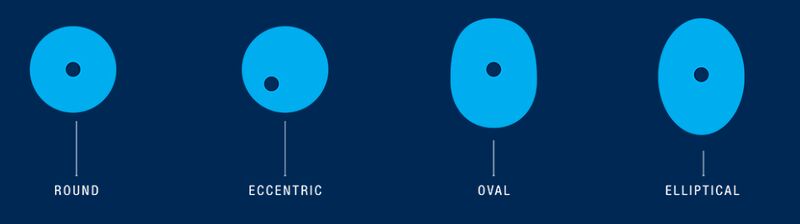
West Virginia University’s Science Behind the Sport program describes four cam geometries: round, eccentric, oval, and elliptical. Modern bows almost exclusively use elliptical or multi-track cams, which generate the most speed while maintaining acceptable draw smoothness.
The 4 Main Compound Bow Cam Types
1. Single Cam (Solocam)
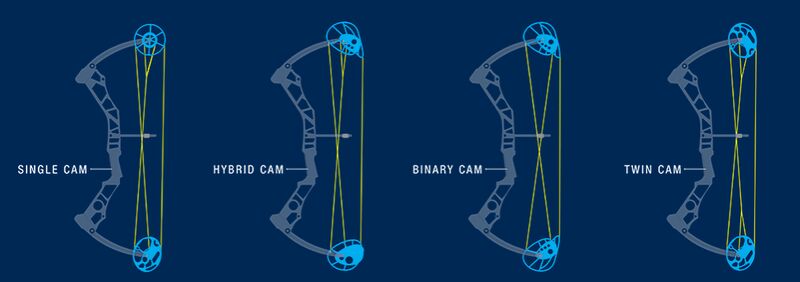
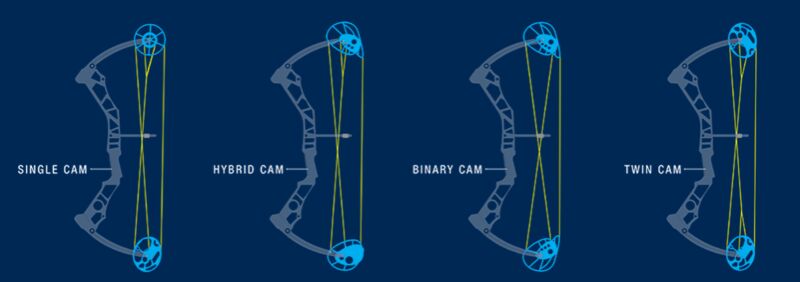
The single cam compound bow uses one active cam at the bottom limb and a passive round idler wheel at the top. Only the bottom cam does mechanical work; the idler simply guides the string. A split-yoke cable connects the top limb to the bottom cam.
Martin Archery introduced the first true single cam in the late 1970s, but Mathews Archery defined the modern Solocam in the 1990s. Their single-cam bows matched dual-cam speeds while dramatically reducing hand shock and maintenance requirements.
Advantages of single cam bows:
- Easiest to tune — only one cam to adjust
- Stays in tune longer with less maintenance
- Quieter and smoother draw cycle
- Ideal for beginners and hunters who don’t tinker
Disadvantages:
- Slightly slower than dual or binary cam systems
- Nock travel can vary if the single cam tracks imperfectly
Single cam bows remain hugely popular for bowhunting. Models like the Mathews Phase 4, Bear RTH series, and PSE Stinger use single cam systems. If you’re new to compound archery or want a no-fuss hunting bow, a single cam is often the right call.
2. Twin Cam (Dual Cam)
The twin cam system is the original design — two identical cams, one on each limb, synchronized by two split-yoke cables and the bowstring. Both cams are active and must rotate in perfect synchrony for the bow to shoot well.
Twin cams excel at speed. With two cams sharing the mechanical work, they generate more force over a shorter draw stroke. Dual cam bows consistently post the highest IBO speeds, and their perfect nock travel (when synchronized) produces exceptional arrow flight.
Advantages of twin cam bows:
- Fastest cam system — highest arrow speeds
- Perfect straight nock travel when properly timed
- Highly adjustable for fine-tuning
Disadvantages:
- Cams must be timed precisely — more maintenance required
- Can fall out of sync, especially with string stretch
- More complex to tune than single cam systems
Twin cam bows are favored by competitive target archers who need maximum speed and perfect arrow flight, and who have the skills to keep the cams timed. For hunters who want less maintenance, there are better options.
3. Hybrid Cam
The hybrid cam system — popularized by Hoyt with their “Cam and a Half” design — attempts to split the difference between single and twin cam. Instead of an idler wheel at the top, a hybrid uses a control cam that’s similar in shape to the power cam at the bottom, but doesn’t function identically.
Two cables link the system: a control cable synchronizes the two cams, while a yoke or buss cable attaches the bottom cam to the top limb. The control cam keeps both in sync without requiring the same precise timing maintenance as a full twin cam.
Advantages of hybrid cam bows:
- Faster than single cam systems
- Easier to tune than true twin cams
- Good nock travel with less maintenance sensitivity
Disadvantages:
- More complex than single cam
- Still requires some timing adjustment over time
- Not as fast as binary cam systems
Hybrid cams are popular on many Hoyt hunting bows and some PSE models. They’re a solid middle-ground choice for archers who want more speed than a single cam provides but don’t want the maintenance demands of a true twin cam.
4. Binary Cam
The binary cam system — pioneered by Bowtech in the early 2000s — is the most mechanically sophisticated design. Instead of cams connecting to the axles via yoke cables, binary cams connect directly to each other. Each cam is “slaved” to the other, meaning they self-synchronize automatically.
This self-correcting system eliminates one of the biggest problems with twin cams: timing errors from string and cable stretch. When string stretch shifts one cam, the binary connection automatically compensates, keeping both cams in sync without manual adjustment.
Advantages of binary cam bows:
- Self-synchronizing — stays in time without manual adjustment
- Fastest cam system alongside aggressive twin cams
- Excellent nock travel consistency
- Rock-solid back wall when paired with limb stops
Disadvantages:
- Most complex system — harder to work on yourself
- Requires a bow press for most adjustments
- Cam lean adjustment is less straightforward than twin cam systems
Binary cam bows from Bowtech and similar manufacturers dominate competitive 3D archery and bowhunting circles where maximum speed and consistent performance are priorities. Many experienced archers rate binary cams as the best performing system overall — when they’re properly set up.
Single Cam vs Dual Cam: Which Is Better?
The single cam vs dual cam debate is one of the longest-running in archery. The honest answer: it depends entirely on your priorities.
Choose a single cam if:
- You’re new to compound archery
- You hunt and don’t want to fiddle with timing
- You shoot infrequently and want a bow that stays in tune
- You value a smooth, forgiving draw cycle
Choose a dual or binary cam if:
- You shoot regularly and want maximum arrow speed
- You compete in 3D or target archery
- You’re comfortable with cam timing and maintenance
- You use a bow press and work on your own equipment
According to Deer Hunting Guide, dual cam bows — especially binary systems — consistently outperform single cams in arrow speed. The tradeoff is maintenance complexity. For most bowhunters, a quality single cam or hybrid cam hits the sweet spot of performance and practicality.
Cam Aggressiveness: Smooth vs Hard Cams
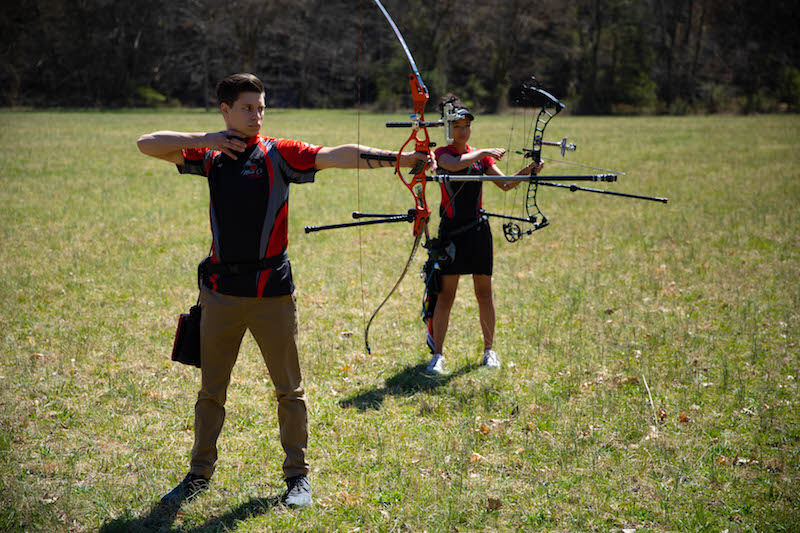
Beyond cam type, the cam’s aggressiveness — its shape and energy curve — matters just as much. Cams range from “soft” (smooth, gradual draw) to “hard” (quick peak weight, more let-off, aggressive back wall).
Soft cams are more forgiving, easier on the shooter’s form, and produce less hand shock. They’re popular for target archery and beginners.
Hard cams generate more speed and a firmer back wall, which many hunters prefer for consistent anchor points. They’re less forgiving of form errors but reward good technique with excellent accuracy and penetration.
Most modern hunting bows use moderately aggressive cams that balance speed, smoothness, and forgiveness. If you’re sighting in your compound bow for the first time, a softer cam will make the process easier while you develop consistent form.
Does Cam Type Affect Draw Length?
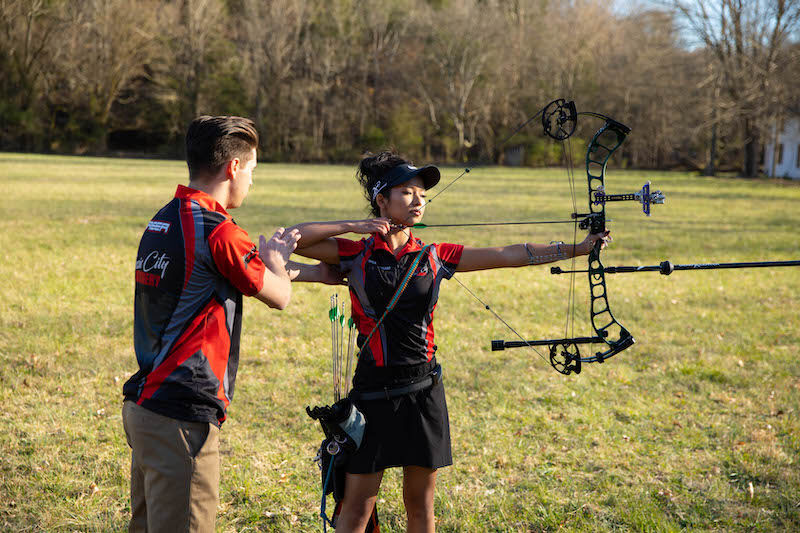
Yes — cam type and cam size both affect draw length range. Single cam bows often use interchangeable draw length modules that snap into the cam, making draw length adjustments simple without a bow press. Twin cam and binary cam systems require the cams to be timed after any draw length change, which is usually a job for a pro shop.
If you’re between draw lengths or expect your draw to change (common with younger archers), a single cam bow with module-adjustable draw length offers the most flexibility. For more on finding your draw length, see our draw length measurement guide.
The Role of Let-Off
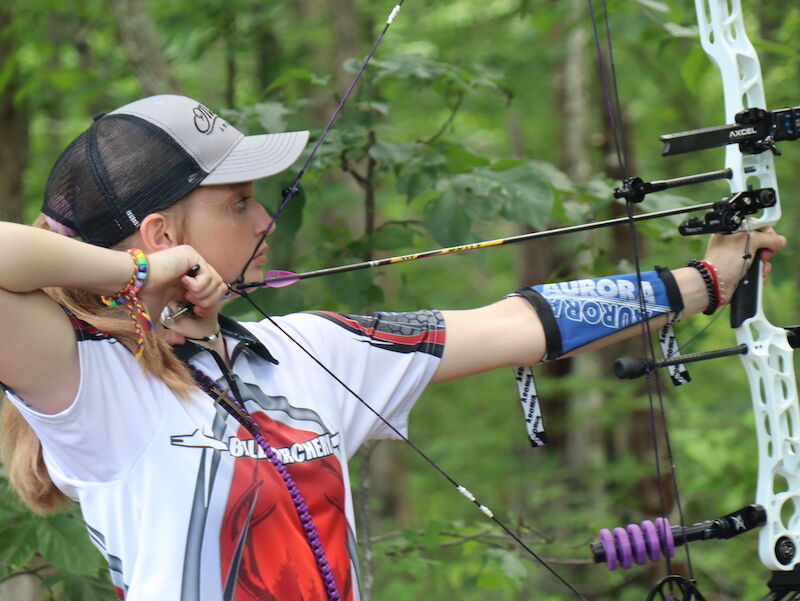
Let-off — the percentage reduction in peak draw weight at full draw — is determined by cam design. Most modern compound bows offer 65–90% let-off. A bow with 70 lbs draw weight and 80% let-off holds only 14 lbs at full draw.
Higher let-off is easier to hold, letting archers aim longer without fatigue. Lower let-off provides a more dynamic shot feel and is sometimes preferred by 3D competitors who don’t need to hold their aim for extended periods.
Binary and twin cam systems often produce higher let-off percentages than single cam designs, though this varies significantly between models. Check the manufacturer’s specifications for the specific bow you’re considering.
Cam Maintenance: What Each Type Needs
Understanding cam maintenance helps you choose a bow that fits your lifestyle.
Single cam maintenance: Minimal. Check string condition, apply wax regularly, and inspect the idler wheel bearing occasionally. Most single cam bows stay in tune for months of regular shooting without adjustment.
Twin cam maintenance: Higher. Cams need periodic timing checks — typically at the start of each season and whenever you notice arrow flight changes. String stretch gradually shifts timing. A bow press is often needed for adjustments.
Hybrid cam maintenance: Moderate. The control cam reduces timing sensitivity compared to true twin cams, but periodic checks are still needed, especially after changing strings.
Binary cam maintenance: Self-synchronizing, but the system is complex enough that most adjustments (cam lean, draw length modules) require a bow press and some expertise. Find a good pro shop.
For a deeper look at how cam choice interacts with other bow components, check out our traditional vs compound bow guide.
Watch: Breaking Down Bow Cams
This video from Springfield Archery breaks down the key differences between single cam, hybrid cam, twin cam, and binary cam systems with visual demonstrations of how each works:
Which Compound Bow Cam Type Is Right for You?
Here’s a quick decision framework based on archer type:
New archer / casual shooter: Single cam. Easy to set up, low maintenance, forgiving draw cycle. Start here and experiment with other systems after you’ve developed your form.
Bowhunter who doesn’t want hassle: Single cam or hybrid cam. Both stay in tune through a season of regular hunting practice without constant adjustment.
Bowhunter who wants maximum speed: Binary cam. Self-synchronizing design eliminates the maintenance headache of twin cams while delivering comparable speed.
3D or target competitor: Twin cam or binary cam. Both deliver the speed and precise nock travel that competitive shooting demands.
Archer who does their own bow work: Any system — but twin cam and binary cam reward hands-on tuning skills with excellent performance.
The compound bow market offers outstanding options across all four cam types. Rather than obsessing over cam type alone, buy the bow that feels best in your hand, fits your draw length, and matches your budget. Cam type matters, but shooting a bow you enjoy matters more.
According to Bow International, many archery records have been set on single cam bows — proof that the “fastest” system isn’t always the “best” system for every shooter.
Sources
- Bow International – “Cam Systems Explained” (December 2022) – bow-international.com
- Archery 360 – “History of the Compound Bow” (November 2020) – archery360.com
- West Virginia University – “Cams | Science Behind the Sport” – sciencebehindthesport.wvu.edu
- Deer Hunting Guide – “Single Cam vs Dual Cam Compound Bows” (2025) – deerhuntingguide.net
- Bowhunting.net – “The Give and Take of Compound Bow Cams” (2011) – bowhunting.net
