Archery Blog
9*, 10X Rules, and Other Lesser-Known Rules in Olympic Archery

Feb
Archery, particularly in the Olympic context, combines precision, skill, and a nuanced scoring system that can be a bit bewildering to newcomers. Among the various notations used in scoring, terms like 9* and 10X are often sources of confusion. This article aims to clarify these scoring rules and explore some other lesser-known rules that govern Olympic archery.
The 9* and 10X Scoring System
In Olympic archery, scoring is crucial for determining the winners and advancing through rounds. The scoring system revolves around a target composed of concentric rings, each assigned a point value. Here’s how the 9* and 10X notations come into play:
1. 9:* In Olympic archery, a score of 9* means that an arrow has landed within the 9-point ring and also in the “X-ring.” The X-ring, though not always explicitly visible on the target, refers to a small circle within the 10-point ring. The X-ring is used to denote a shot that is closer to the center of the bullseye and is particularly important in the event of a tie. While both a 10 and an X score the same number of points, the X-ring helps to distinguish between tied scores.
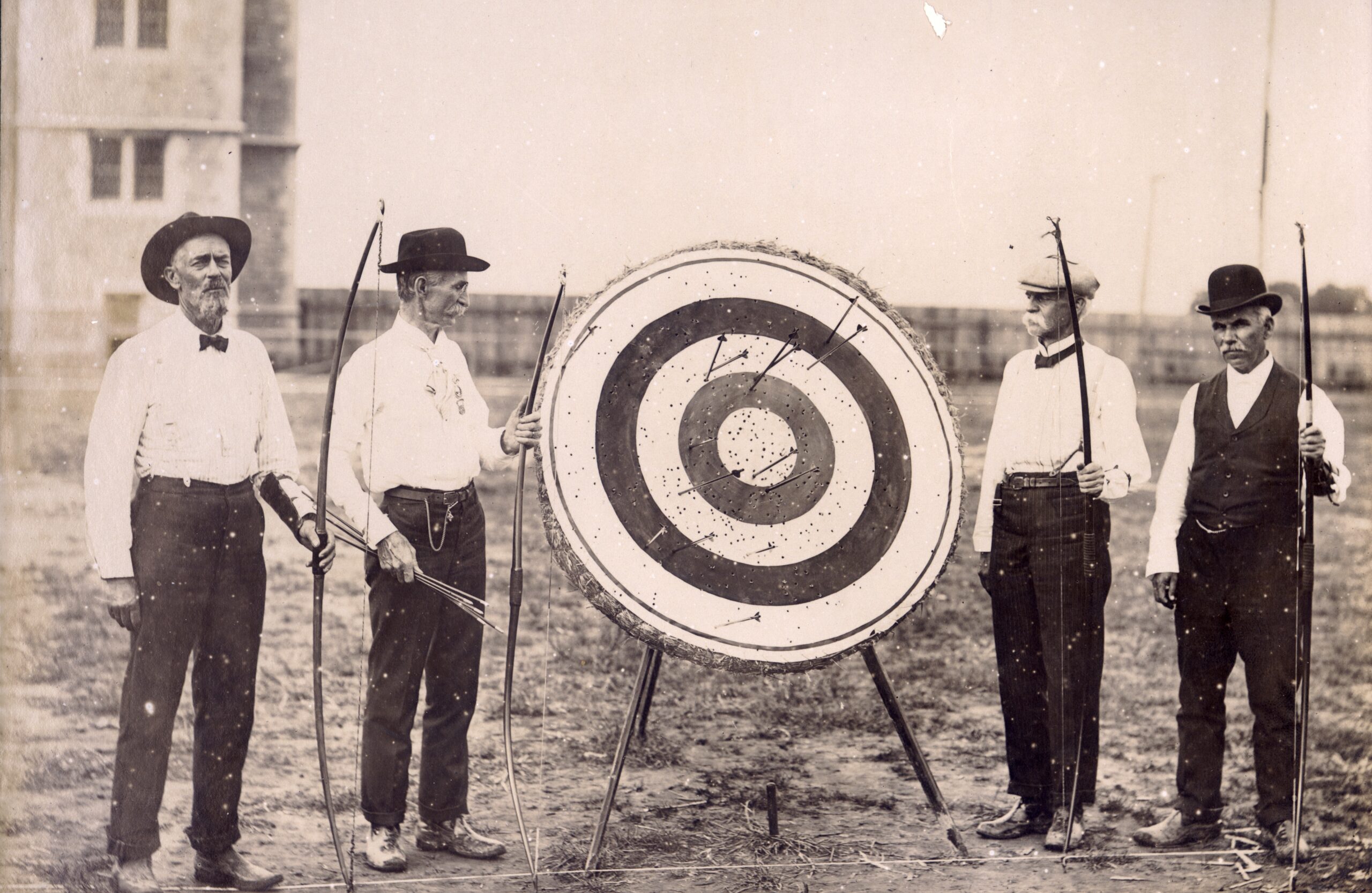
2. 10X: A score of 10X is more straightforward. It indicates that the arrow has hit within the 10-point ring and has also landed in the X-ring. This is the highest score possible and signifies that the shot was perfectly placed within the most challenging part of the target. In Olympic archery, the 10X notation is critical because it can be used to break ties between competitors who have the same total score.
Other Lesser-Known Rules in Olympic Archery
While the 9* and 10X rules are essential, Olympic archery encompasses a range of other rules and regulations that can impact scoring and gameplay. Here are some key rules and details that might not be immediately obvious:
1. Arrow Value Determination: In Olympic archery, the value of an arrow is determined by its position relative to the target rings. If an arrow is touching the line between two rings, it scores the higher value. For example, if an arrow is touching the line between the 9 and 10 rings, it scores as a 10.

2. The Difference Between Recurve and Compound: Olympic archery exclusively features recurve bows. Unlike compound bows, which use a system of pulleys to reduce the draw weight, recurve bows rely solely on the archer’s strength and technique. This distinction affects not only the shooting style but also the scoring and competition format.
3. Scoring During Matches: In Olympic archery, matches are typically composed of sets or rounds. Each archer shoots a set number of arrows (usually six in a set), and the total score for that set is calculated by adding the values of all arrows shot. The archer with the highest total score in a set wins that set, and the overall match is determined by the number of sets won.
4. Time Limits: Archers have a limited amount of time to shoot their arrows. In individual Olympic matches, each archer is generally allowed 40 seconds per arrow. This time constraint adds pressure and requires not only precision but also quick decision-making.

5. Equipment Checks: Before the competition begins, all equipment is subject to inspection to ensure compliance with Olympic standards. This includes the bow, arrows, and any additional gear. Ensuring that equipment meets regulations is crucial, as non-compliance can result in penalties or disqualification.
6. The Role of the Judge: Judges play a vital role in the scoring process. They are responsible for assessing the position of arrows, ensuring that all rules are followed, and resolving disputes. Their decisions are final and can significantly impact the outcome of a match.
Olympic archery is a sport of incredible precision and intricate rules. Understanding the nuances of scoring, such as the 9* and 10X notations, can enhance both your appreciation of the sport and your competitive edge. In addition to these notations, being aware of other rules, such as the time limits, equipment standards, and the role of judges, can help you navigate the complexities of Olympic archery more effectively. Whether you’re an aspiring archer or simply a fan of the sport, a thorough grasp of these rules ensures a deeper engagement with the exciting world of Olympic archery.
