Archery Blog
Compound Bow Stabilizer Guide: How to Choose, Set Up & Tune for Maximum Accuracy
Apr
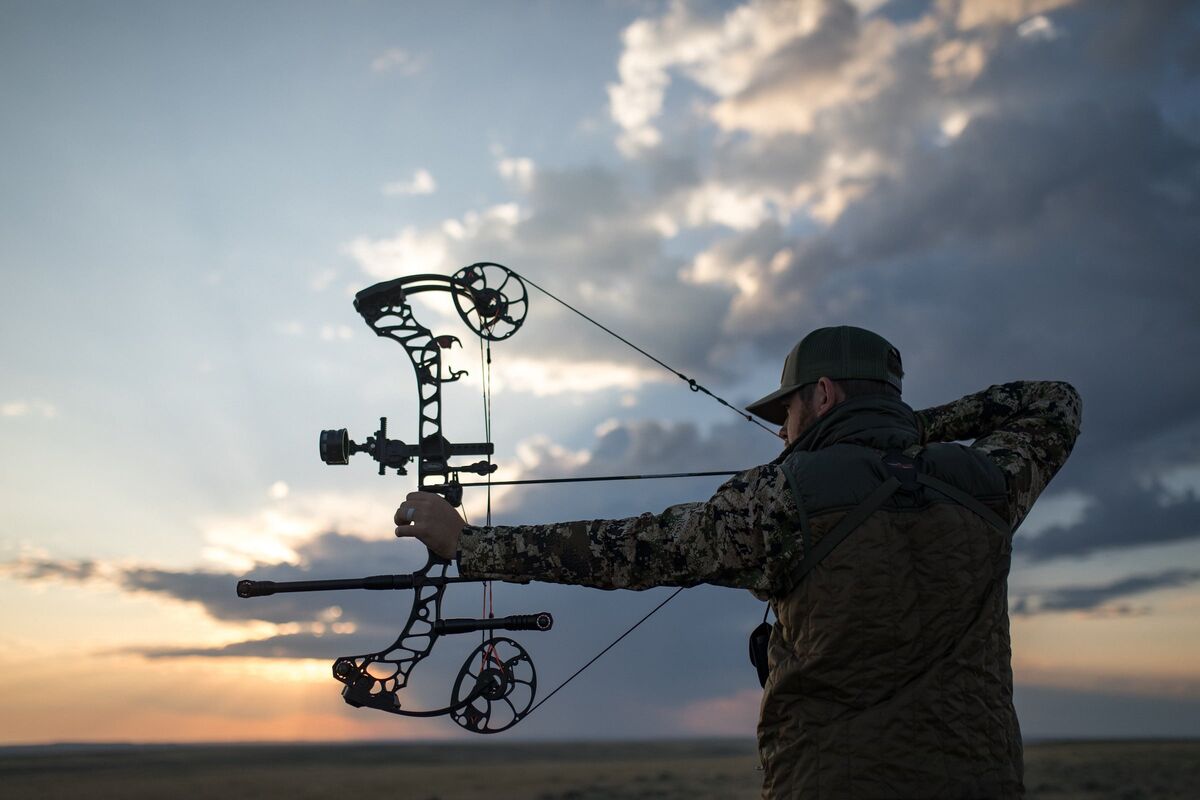
A compound bow stabilizer is one of the most impactful accessories you can add to your setup — yet it remains one of the most misunderstood. Whether you’re bowhunting from a treestand or punching paper at a 3D range, a properly tuned stabilizer system reduces vibration, dampens noise, and most importantly, helps your bow settle faster at full draw. This guide covers everything from the physics of bow balance to choosing the right length and weight for your shooting style.
What Does a Compound Bow Stabilizer Actually Do?
The word “stabilizer” is something of a marketing term. In reality, these accessories do several things at once — and understanding each function helps you make a smarter buying decision.
Vibration dampening is the most commonly cited benefit. When you release a bowstring, the cam system snaps forward and energy ripples through the riser. Without a stabilizer, that energy reaches your grip hand as vibration and noise. A stabilizer with rubber dampeners absorbs much of that shock, resulting in a quieter, more comfortable shot.
Bow balance at full draw is where stabilizers earn their keep. When you mount a quiver, sight, and arrow rest on a compound bow, virtually all of that weight hangs on one side of the riser. At full draw, your bow wants to tip in the direction of those accessories. A front stabilizer adds counterbalancing mass forward of the grip, and a rear side bar counters the lateral lean. The result: your pin floats steadier and settles faster.
Moment of inertia is the physics term behind it all. A longer, heavier stabilizer increases rotational resistance — meaning the bow is harder to wobble off target. This is why competitive target archers run 30-inch front bars with elaborate V-bar configurations, while a bowhunter in a treestand might prefer a compact 6-inch setup that won’t snag brush.
Types of Compound Bow Stabilizers
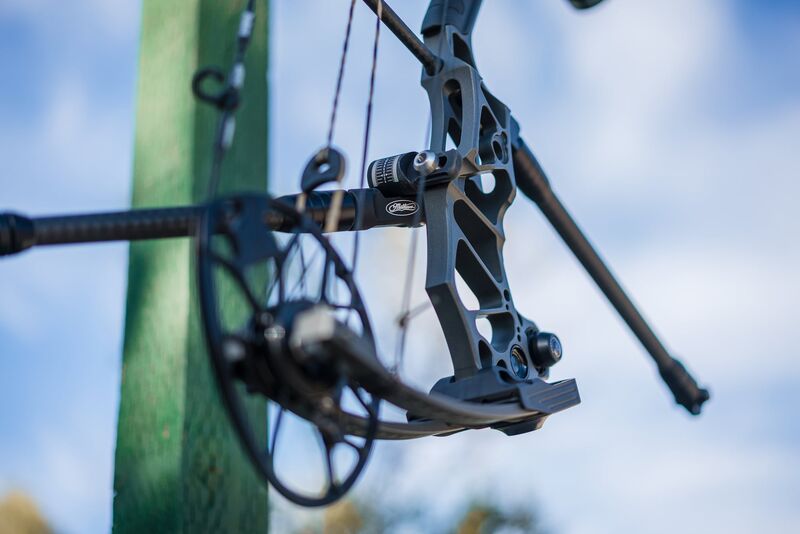
Stabilizers come in three main configurations, each serving a distinct purpose in your overall bow balance system.
Front Bar (Primary Stabilizer)
The front bar screws directly into the standard 5/16-24 stabilizer bushing on your riser and extends forward from the grip. It’s the starting point for any stabilizer setup. For bowhunting, lengths typically range from 4 to 12 inches. Target archers often go 28 to 33 inches. The longer the bar, the greater the stabilizing effect — but also the more awkward the bow becomes in tight spaces.
Rear Side Bar (Back Bar)
A rear side bar attaches via a V-bar mount or sidebar bracket and extends rearward and to the side. Its primary job is counteracting the lateral lean caused by accessories mounted on the riser’s right side (for right-handed shooters). Hunters who run a quiver benefit enormously from a rear bar, since a full quiver adds 8–12 ounces off-center. A 6-inch rear bar with 2–3 ounces of weight can neutralize that imbalance completely.
V-Bar / Dual Side Bar System
Target archers use a V-bar bracket that allows two side bars to extend at adjustable angles — one down and to the left, one down and to the right. This system offers precise three-dimensional balance adjustment. The V-bar setup adds cost and complexity, but for competitive archery where every millimeter of pin movement matters, it’s the standard approach.
How to Choose the Right Stabilizer Length
Stabilizer length selection depends on three factors: your shooting discipline, your physical environment, and your personal preference for hold weight.
Bowhunting from a treestand or ground blind: A front bar between 4 and 8 inches works best. Longer bars create problems when drawing in confined spaces, navigating through branches, or swinging quickly on a moving animal. A 6-inch front bar paired with a 4-inch rear bar is a popular hunting setup that meaningfully improves balance without adding bulk.
Western hunting (spot-and-stalk): Hunters covering miles of open terrain can afford longer setups since maneuverability isn’t as critical. Many elk and mule deer hunters run 10-inch front bars to get the full benefit of improved hold and reduced pin float on distant shots.
3D archery: A middle ground — typically 8 to 12 inches on the front bar — works well. You’re shooting at known-distance targets with time to settle, but you’re still walking wooded courses where long bars catch brush.
Indoor and outdoor target archery: Maximize your stabilizer length. Competitive shooters use front bars of 28 to 33 inches paired with a V-bar and two side bars. The investment in stability pays dividends in score at every distance.
A useful rule from Mathews Archery: the longer the stabilizer, the less weight you need to add to achieve the same stabilizing effect. A 10-inch bar with 2 ounces provides more rotational resistance than a 5-inch bar with 4 ounces — and weighs less total on the bow.
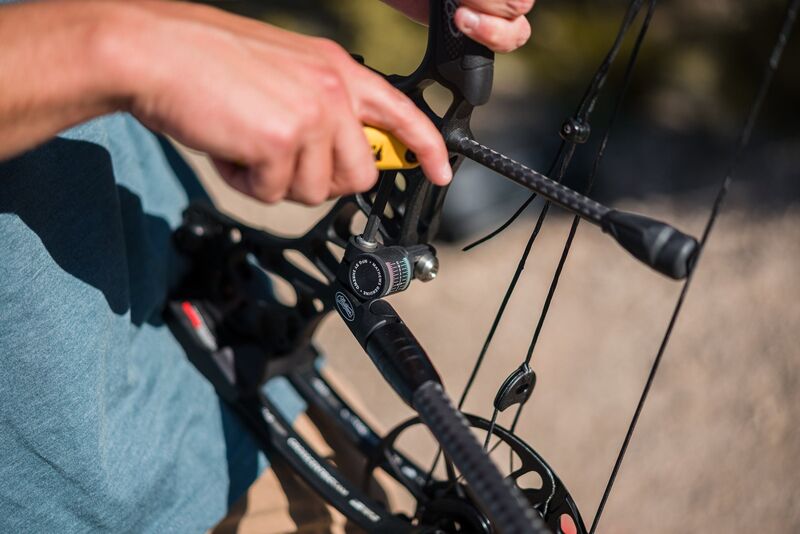
How to Tune Your Stabilizer for Perfect Bow Balance
Getting the most from your compound bow stabilizer requires a simple balance test, not guesswork. Here’s the process used by professional archers and bow technicians:
- Start with no stabilizer. Hold the bow at your natural grip with relaxed fingers. Let it fall forward or backward naturally. Note the direction.
- Add your front bar with minimal weight. Repeat the grip test. If the bow still tips forward (toward the limbs), remove weight. If it falls backward (toward the cams), add weight to the front.
- Check at full draw. The static balance test is a starting point, but full draw balance is what matters. Draw the bow and check your bubble level. If the level tips left or right, your rear bar needs adjustment.
- Adjust rear bar angle and weight. On a V-bar or sidebar mount, angle the rear bar to counteract the lateral lean. Add or remove weights until the bubble sits level at full draw.
- Shoot groups and verify. A properly balanced bow produces consistent arrow impact. If you’re torquing the bow at the shot, your balance is still off.
According to Cutter Stabilizers, the ideal balance point produces a bow that falls neither forward nor backward at rest — what they call “neutral balance.” From this neutral position, a small amount of front-heavy weight bias (about 1–2 ounces) is often preferred for hunting, since it encourages the bow to tip forward naturally after the shot rather than kicking back into your face.
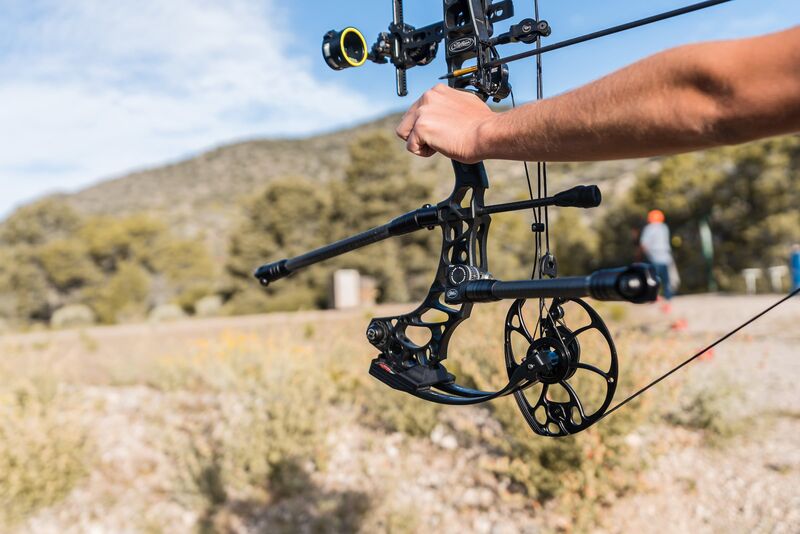
Stabilizer Materials: Carbon, Aluminum, and Rubber
The rod material affects weight, vibration dampening, and price.
Carbon fiber rods are the premium choice. Carbon dampens vibration better than aluminum due to its non-crystalline structure — vibrations travel through the rod but dissipate quickly rather than reverberating. Carbon stabilizers are also lighter for their length, allowing you to go longer without adding excessive bow weight. Most high-end stabilizers from brands like Bee Stinger, Shrewd, and LimbSaver use carbon shafts.
Aluminum rods are heavier and transmit more vibration, but they’re more durable and significantly cheaper. Budget stabilizers and entry-level options almost always use aluminum. For a beginning archer who just wants to experiment with bow balance, aluminum works fine.
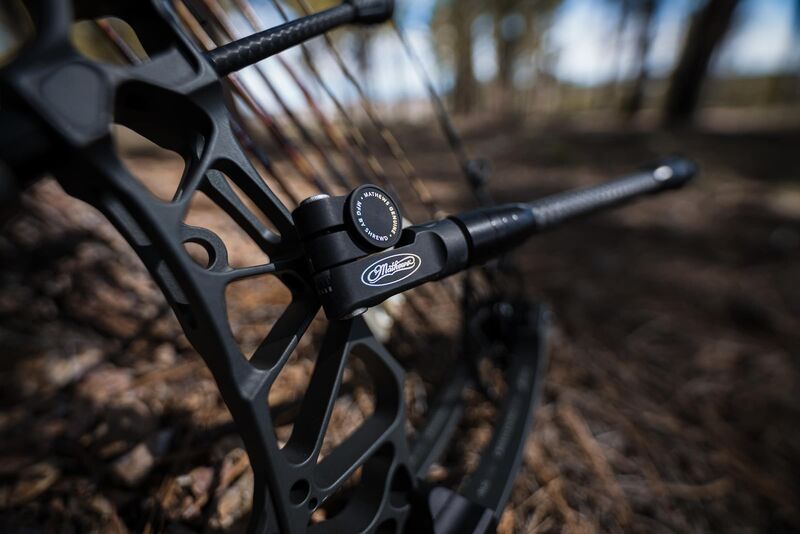
Rubber dampeners are integrated into nearly every modern stabilizer at the end cap and sometimes at the riser connection point. These rubber elements absorb the final residual vibration that travels through the rod. Mathews’ EHS Nano configuration and Bee Stinger’s microHEX fill are examples of proprietary dampening systems built into high-end stabilizer ends.
The best stabilizers combine a carbon rod with quality rubber dampening — delivering light weight, stiff response, and maximum vibration absorption.
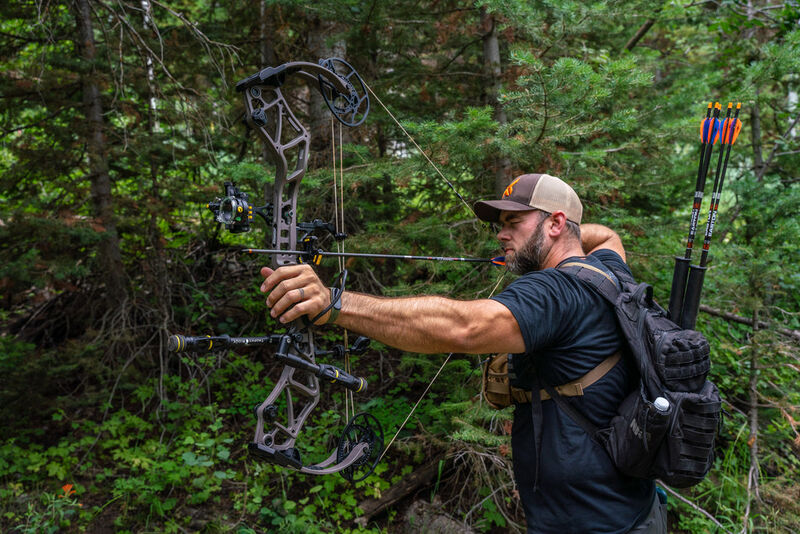
Hunting vs. Target Archery Stabilizer Setups
The stabilizer world divides roughly into two camps, and the priorities of each are nearly opposite.
Hunting setups prioritize compactness, noise reduction, and ruggedness. A typical competitive bowhunter might run a 6–8 inch front bar and a 4–6 inch rear bar, totaling under 6 ounces of added weight. The goal is enough balance improvement to steady the pin on a live animal, without making the bow unwieldy in thick brush or from a fixed-position stand. Many hunters choose a stabilizer with a rubber outer wrap to prevent contact noise in the blind.
Target setups go in the opposite direction. World-class compound target archers use systems that add 24–36 inches of total stabilizer length and 8–16 ounces of weight. The bow becomes a platform optimized for one purpose: holding dead steady on a paper face while the archer pulls through their shot. World Archery compound competition at the highest level uses these full configurations, and even club-level target archers benefit from longer bars than most bowhunters would consider.
The key insight: don’t copy a target archer’s setup for hunting, and don’t under-stabilize a target bow because your hunting buddy told you stabilizers are unnecessary. Match the tool to the job.
For more on getting your compound bow fully dialed in, see our guide on bow sight adjustment and windage/elevation settings — because balance and sight alignment work together for consistent accuracy.
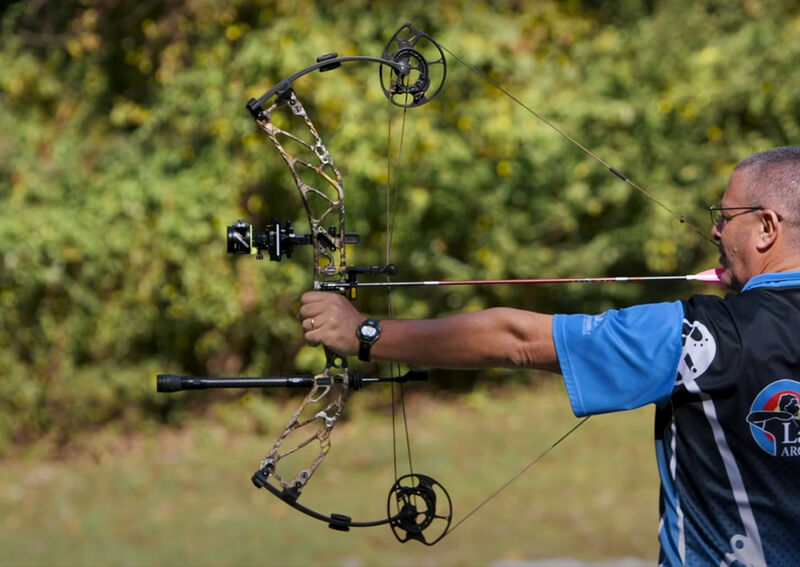
Watch: Archery Stabilizer Setup Explained
This video walks through exactly where to place weights on your stabilizers and how to dial in your compound bow balance at full draw:
Common Mistakes When Setting Up a Compound Bow Stabilizer
Buying too short for the wrong reasons. Many archers pick a short stabilizer thinking longer means heavier. In practice, a 10-inch bar with 1 ounce of tip weight provides better stabilization than a 4-inch bar with 3 ounces — and the total weight on the bow is similar. Don’t let marketers sell you a stubby bar when your shooting would benefit from length.
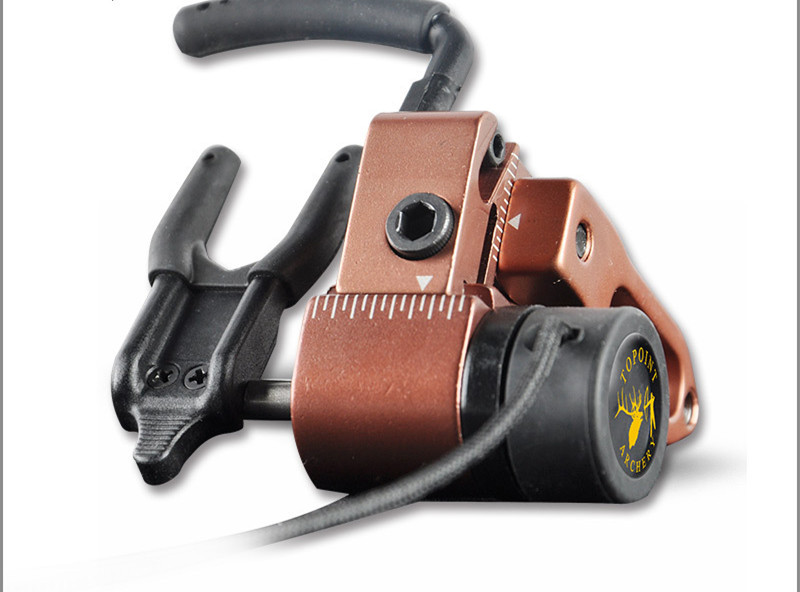
Ignoring the rear bar. A front-only stabilizer helps, but it leaves your lateral balance untouched. If your bow has a quiver, a sight, and a drop-away rest mounted on one side, you need a rear counterweight. See our guide on arrow rest types to understand how your rest choice affects overall bow weight distribution.
Setting balance at rest instead of at full draw. A bow can be perfectly balanced when hanging idle and completely unbalanced at full draw. The muscles you engage pulling to anchor change everything. Always check your bubble level and pin float at full draw before declaring your setup finished.
Overtightening the stabilizer bushing. The 5/16-24 bushing on most risers strips easily. Thread the stabilizer in hand-tight, then snug it a quarter turn with a wrench maximum. Overtightening doesn’t improve stability — it just damages expensive hardware.
Before you tune your stabilizer, make sure your anchor point is locked in and consistent — a moving anchor undermines any balance work you do.
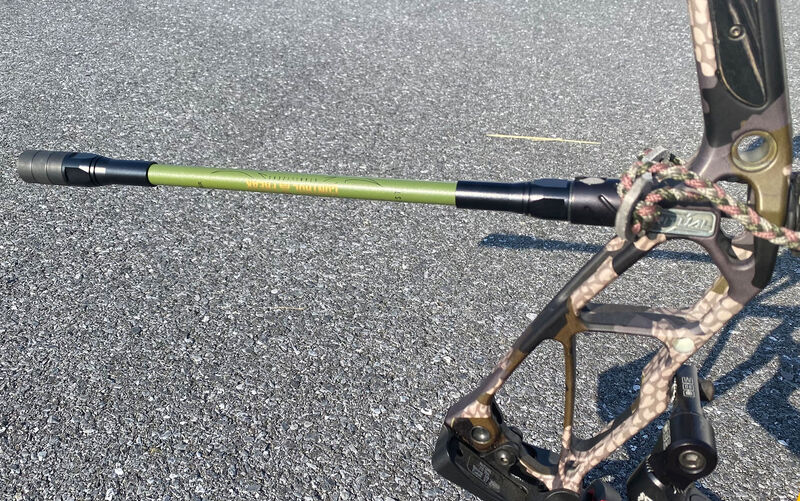
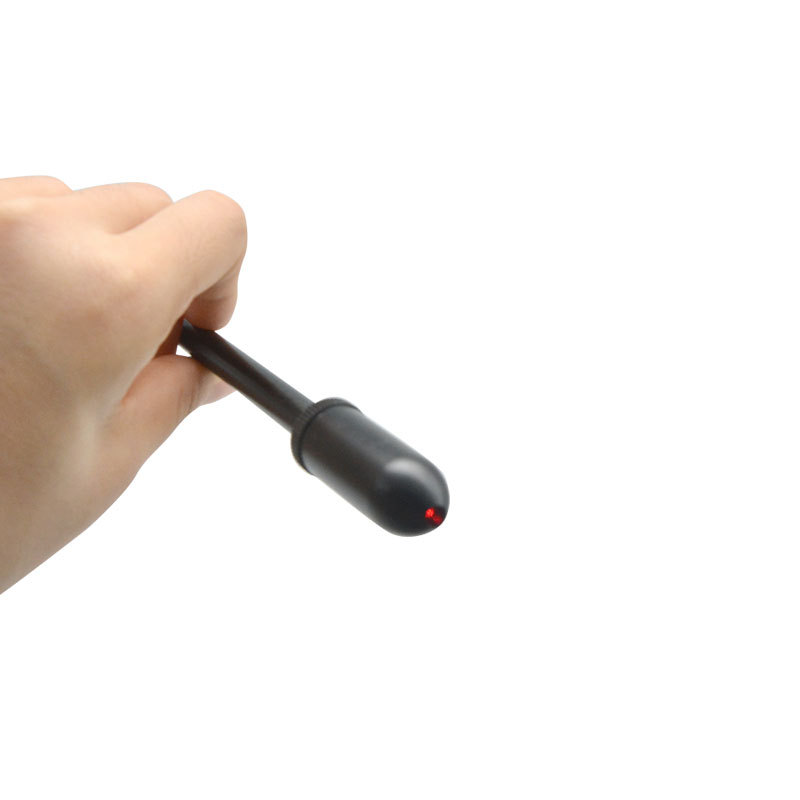
Top Compound Bow Stabilizer Brands Worth Knowing
The stabilizer market has a handful of brands that dominate for good reason.
Bee Stinger is the most widely used stabilizer brand in competitive archery. Their microHEX dampening system and precision-machined weight systems have become the benchmark for compound target shooting. They offer products across a wide price range, from beginner kits to full professional configurations.
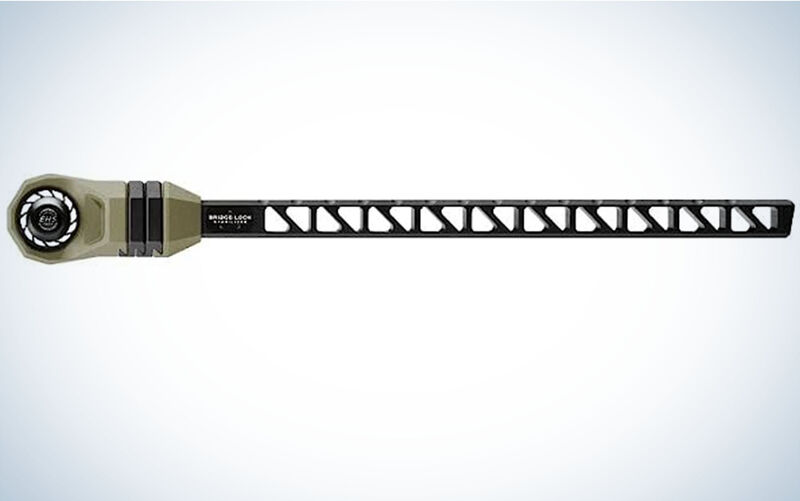
Mathews Bridge-Lock stabilizers integrate directly into the riser bushing system on compatible Mathews bows, creating a more rigid connection point and better transferring the stabilizing force to the bow. If you shoot a current Mathews compound, their proprietary stabilizer system is worth the premium.
LimbSaver focuses heavily on vibration dampening technology. Their S-Coil and S-Coil Hunter stabilizers use a coiled internal dampener that provides exceptional shock absorption even with short lengths — making them a top choice for treestand hunters who need performance without length.
Shrewd Archery and Doinker are popular at the high end of competitive target archery, with fully modular weight systems and custom carbon rod options. These are premium products aimed at serious competitors.
For any beginner, starting with a mid-range aluminum stabilizer from a reputable brand is perfectly reasonable. Upgrade to carbon after you’ve dialed in your preferred length and weight, since those variables matter far more than material until you’re shooting competitively.
Quick Reference: Stabilizer Lengths by Use Case
| Use Case | Front Bar | Rear Bar |
|---|---|---|
| Ground blind bowhunting | 4–6 inches | None or 4 inches |
| Treestand hunting | 6–8 inches | 4–6 inches |
| Western hunting (open country) | 8–12 inches | 6–8 inches |
| 3D archery | 8–12 inches | 6–10 inches |
| Indoor/outdoor target | 28–33 inches | V-bar + 10–15 inches |
These are starting points. Archery 360 recommends experimenting with different configurations at your local archery shop before committing to a purchase. The “right” setup is the one that feels natural at full draw and produces your smallest groups on paper.
Sources
- Mathews Archery — “The Ultimate Guide to Bow Stabilizers” — mathewsinc.com
- Bear Archery — “Understanding Bow Stabilizers” — beararchery.com
- Cutter Stabilizers — “Stabilization 101” — cutterstabilizers.com
- Archery 360 — “Buying Guide for Compound Stabilizers” — archery360.com
- World Archery — Compound Competition Disciplines — worldarchery.sport
- Bow International — “Complete Guide to Compound Stabilisation” — bow-international.com
