Archery Blog
Bowhunting Broadheads: Fixed Blade vs Mechanical – Complete 2026 Guide
Mar
Choosing the right broadhead represents one of the most critical decisions any serious bowhunter faces. With hunting seasons rapidly approaching and innovative gear hitting the market in 2026, the enduring debate between fixed blade and mechanical broadheads continues to dominate conversations in hunting camps nationwide. This comprehensive analysis cuts through marketing hype to deliver real-world performance data, helping you make an informed decision based on your specific hunting requirements and target species.
Understanding Broadhead Fundamentals
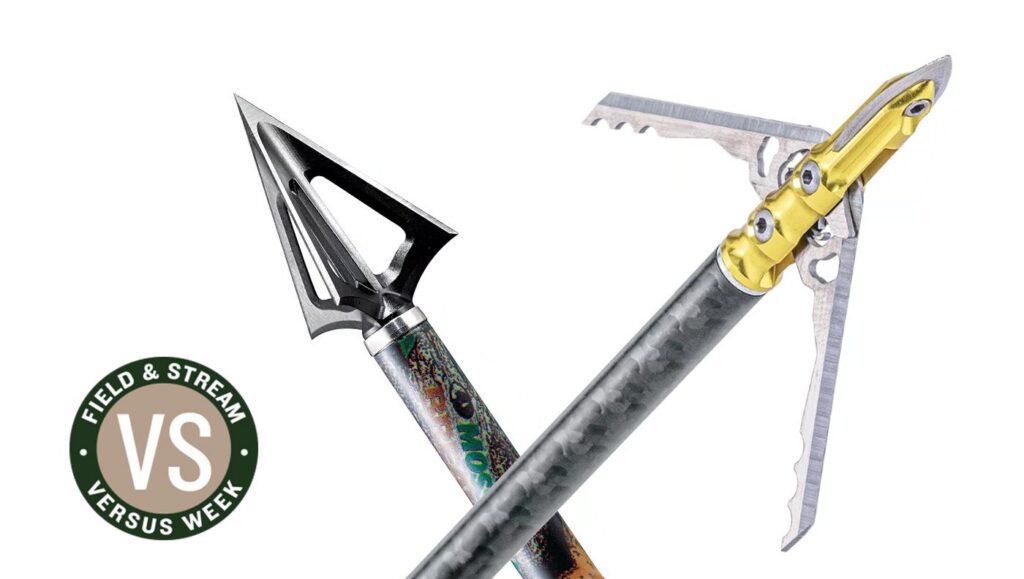
Broadheads serve one fundamental purpose: creating massive tissue trauma and rapid blood loss for quick, ethical kills. However, the methodology for achieving this goal differs dramatically between fixed blade and mechanical designs. Fixed blade broadheads maintain static blade positions throughout flight and impact, while mechanical (expandable) broadheads deploy their cutting surfaces only upon target contact.
This fundamental difference affects every aspect of performance, from arrow flight characteristics to penetration depth. Fixed blades typically deliver superior penetration through their cut-on-contact design, while mechanicals promise larger wound channels via expanding blade technology. Understanding these trade-offs proves essential for selecting the optimal broadhead for your hunting style and target species.
Fixed Blade Broadheads: Proven Reliability
Fixed blade broadheads have maintained their position as the bowhunting gold standard for decades, and the reasons remain compelling. These broadheads offer unmatched reliability with zero moving parts to fail when precision matters most. Industry-leading models like the NAP Thunderhead, Muzzy Trocar, Iron Will S100, and Slick Trick Magnum have built legendary reputations through consistent field performance across diverse hunting conditions.

The primary advantages of fixed blade broadheads include exceptional penetration power, particularly valuable when pursuing large game or managing quartering shot angles. They deliver consistent performance regardless of bow speed or draw weight, making them ideal for traditional archers using recurves or longbows. Additionally, fixed blades require minimal ongoing maintenance once properly tuned, and their razor-sharp out-of-package condition means immediate field readiness.
However, fixed blades present certain challenges. They typically demand more precise bow tuning to achieve field point accuracy, as their larger profile creates increased wind resistance during flight. Some hunters find them more challenging to resharpen after use, though modern designs increasingly feature replaceable blade systems addressing this concern.
Mechanical Broadheads: Modern Innovation
Mechanical broadheads represent the technological evolution of bowhunting equipment, offering solutions to many traditional fixed blade limitations. Leading brands like Rage, SEVR, G5, and Swhacker have pioneered designs that fly like field points while delivering devastating cutting diameters upon impact.

The key advantage of mechanical broadheads lies in their superior aerodynamic flight characteristics. With blades tucked securely against the ferrule during flight, they create minimal wind resistance and typically require little to no bow tuning for accuracy. This characteristic makes them particularly appealing to newer hunters or those using high-speed compound bow setups.
Upon impact, quality mechanical broadheads deploy massive cutting diameters—often exceeding 2 inches—creating substantial wound channels that promote rapid blood loss. This expanded cutting surface proves particularly advantageous when hunting in dense cover where visible blood trails become critical for recovery. The larger wound channel also provides some margin for error on marginal shot placement.
Primary concerns with mechanical broadheads center on reliability and penetration characteristics. While modern designs have largely addressed early deployment issues, inherent mechanical failure risk remains, particularly on quartering shots or when encountering heavy bone. Additionally, the kinetic energy required for blade deployment can reduce overall penetration compared to equivalent fixed blade designs.
Critical Performance Factors
Several factors determine broadhead performance beyond the basic fixed versus mechanical debate. Kinetic energy plays a crucial role, particularly for mechanical broadheads requiring sufficient force for reliable deployment. Hunters shooting lower draw weights or lighter arrow setups may find better success with fixed blade designs that don’t require deployment energy.

Shot placement remains the ultimate determining factor in hunting success, regardless of broadhead selection. Well-placed shots with either broadhead type result in quick, clean kills, while poor shot placement leads to lost game with any design. This reality underscores the critical importance of consistent practice and complete confidence in your chosen setup.
Target species significantly influence optimal broadhead selection. Large, tough animals like elk, moose, and bears typically favor fixed blade designs due to superior penetration characteristics and bone-breaking ability. Conversely, deer-sized game in heavy cover might benefit from the larger wound channels created by mechanical broadheads for improved blood trailing.
Bow Setup and Tuning Requirements
Proper bow setup remains crucial regardless of broadhead choice, though requirements differ between fixed and mechanical designs. Fixed blade broadheads demand precise arrow spine matching and meticulous tuning to achieve field point accuracy. This process often involves micro-adjustments to rest position, nock point, and cam timing for optimal flight characteristics.
Mechanical broadheads prove more forgiving of minor tuning issues due to their aerodynamic profile masking slight form problems. However, this forgiveness doesn’t eliminate proper setup requirements—it simply provides increased margin for error. Regardless of broadhead type, achieving consistent groups at hunting distances should represent the minimum acceptable standard.
Paper tuning remains the gold standard for establishing proper arrow flight, followed by broadhead-specific tuning at extended ranges. Many hunters mistakenly assume proper bow tuning based solely on field point accuracy, only to discover significant broadhead flight issues during actual hunting situations.
🎯 Top Practice Broadheads for Training
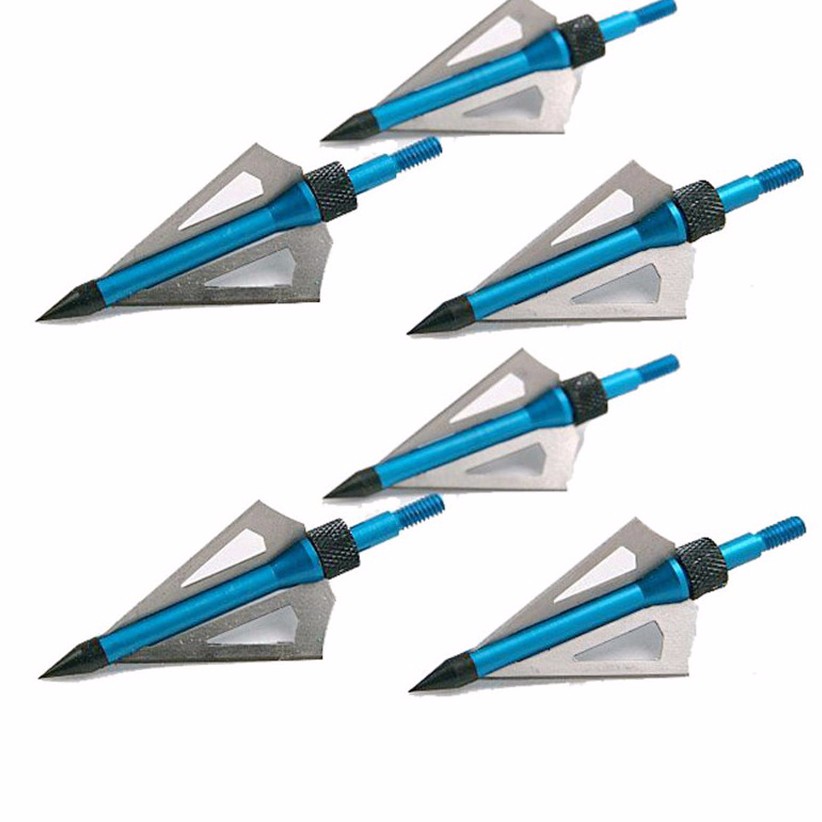
Perfect your form and accuracy with our 100 Grain Practice Broadheads – available in six colors for easy identification. These durable practice heads allow unlimited shooting at foam targets without dulling your hunting broadheads. Price: $31.58 with free worldwide shipping!
Real-World Hunting Applications
Different hunting scenarios favor different broadhead designs. For spot-and-stalk hunting in open country where longer shots are common and wind affects arrow flight, mechanical broadheads often provide advantages through superior accuracy potential at extended ranges. Their field point-like flight characteristics make them ideal for hunters regularly taking shots beyond 40 yards.
Conversely, thick timber hunting where shots typically occur at close range with challenging angles often favors fixed blade broadheads. Their superior penetration ensures complete pass-throughs even on quartering shots, while their absolute reliability eliminates deployment concerns in dense cover situations.
Treestand hunting for whitetails presents scenarios where either design can excel. The controlled environment and typically predictable shot angles make mechanical broadheads viable options, while close ranges play to fixed blade strengths. Personal preference and shooting confidence often become decisive factors in these situations.
Penetration vs. Cutting Diameter Trade-offs
Understanding the fundamental trade-off between penetration depth and cutting diameter helps guide broadhead selection for specific hunting situations. Fixed blade broadheads, particularly narrow designs like the Magnus Stinger or QAD Exodus, excel in penetration tests consistently outperforming their mechanical counterparts by significant margins.

According to comprehensive testing by Bowhunting.com, fixed blade broadheads averaging 1-inch cutting diameters achieved penetration depths of 10-12 inches in ballistic gelatin, while mechanical broadheads with 2+ inch cutting diameters averaged 7-9 inches penetration. This 20-30% penetration advantage can prove critical when hunting large game or dealing with quartering shots requiring passage through heavy bone and muscle.
However, the expanded wound channels created by mechanical broadheads often compensate for reduced penetration through increased tissue damage and blood loss. The key lies in matching your broadhead choice to your specific hunting scenarios and target species requirements.
🏹 Essential Archery Equipment
Enhance your shooting accuracy with our 4-Finger Metal Release Aid featuring precision cam mechanism. Available in multiple colors for $74.83. Perfect for consistent, clean releases with your broadhead setup!
2026 Broadhead Recommendations
Among fixed blade options, the Iron Will S100 continues setting standards for penetration and accuracy. Its single-bevel design and A2 steel construction provide exceptional durability and bone-splitting performance. The NAP Thunderhead Edge offers similar reliability at a more budget-friendly price point, making it an excellent choice for hunters seeking proven performance without premium pricing.

For mechanical broadheads, the Rage Hypodermic maintains its reputation as a devastating performer on deer-sized game. Its 2-inch cutting diameter and reliable deployment make it a favorite among many hunters. The SEVR Titanium series offers unique rear-deploying technology addressing many traditional mechanical concerns while maintaining impressive accuracy characteristics.
The G5 Deadmeat V2 deserves special recognition for its innovative design combining mechanical cutting diameter with fixed blade reliability. Its hybrid approach offers compelling advantages for hunters seeking optimal characteristics from both categories.
Practice Makes Perfect: Target Selection
Consistent practice with your chosen broadheads proves absolutely essential for hunting success. Setting up a proper practice range requires quality targets that can handle broadhead impacts without destroying your expensive hunting heads. Consider investing in layered foam targets specifically designed for broadhead practice, or foam targets that separate broadhead practice from field point shooting.
🎯 Complete Your Practice Setup
Create the perfect practice environment with our Turkey 3D Shooting Target for realistic hunting scenarios ($19.99), or our Archery Safety Net for indoor/outdoor practice ($129.99). Both include free worldwide shipping!
3D targets like turkey or deer decoys provide realistic practice for shot placement, while backstop nets ensure safety during practice sessions. Remember that broadhead practice should mirror your hunting setup exactly – same arrows, same draw weight, same shooting positions you’ll use in the field.
Making Your Decision
Your optimal broadhead choice depends on multiple factors including bow setup, hunting style, target species, and personal preferences. Hunters pursuing large game like elk, moose, or bears should prioritize penetration and consider fixed blade designs. Those hunting deer-sized game in thick cover where blood trails matter most might benefit from mechanical designs offering larger wound channels.
Consider your typical shot distances when making your selection. Hunters regularly shooting beyond 30 yards often find mechanical broadheads provide accuracy advantages, while those hunting primarily at close range can capitalize on fixed blade penetration benefits. Most importantly, select a broadhead you can shoot accurately and confidently under hunting conditions.
Whatever your choice, remember that practice and familiarity with your broadhead matter more than any particular brand or design. The most expensive broadhead available won’t improve your hunting success if you can’t place it accurately when opportunities arise. Invest time in tuning your bow, practicing with your chosen broadheads, and building confidence in your equipment before heading to the field.
Success in bowhunting ultimately depends on shot placement, not broadhead selection. Choose a design that inspires confidence, practice until your accuracy becomes automatic, and make every shot count. Whether you prefer the time-tested reliability of fixed blades or the modern innovation of mechanical designs, either choice can deliver exceptional hunting success when properly executed.
The 2026 hunting season presents excellent opportunities for bowhunters equipped with the right broadheads and proper practice. Take time to evaluate your specific needs, test different options at the range, and commit to the broadhead that gives you the most confidence for your hunting situations. Your success in the field starts with the right equipment choices made well before opening day.
