Archery Blog
Archery Quiver Types: 5 Essential Styles Explained
Apr
Choosing the right archery quiver is one of the most practical decisions you’ll make as an archer — it affects how you move, how fast you can reload, and how comfortable your sessions feel. There are five main types of archery quivers, each suited to a different shooting style and environment, from competitive target ranges to dense hunting terrain.
Why Your Quiver Choice Matters More Than You Think
A quiver is more than just an arrow holder. The wrong one creates distractions — clanking arrows on a silent hunt, swaying weight while walking a 3D course, or awkward reaching mid-session. The right quiver disappears from your awareness entirely and lets you focus on the shot. Before diving into each type, it helps to know the two major categories of use: target archery and bowhunting.
Target archers typically shoot from a fixed line, carry a high volume of arrows, and prioritize quick access and storage for accessories like scorecards and extra releases. Bowhunters need a quieter setup, fewer arrows, and often require hands-free movement through the field. Some quivers serve both worlds; most have a clear home in one or the other.
5 Archery Quiver Types Explained
1. Hip Quiver (Side Quiver)
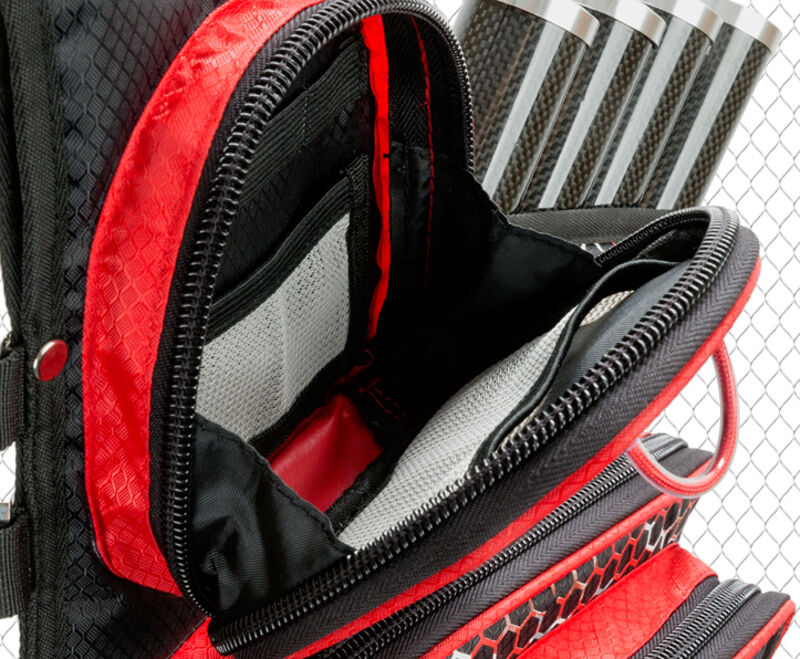
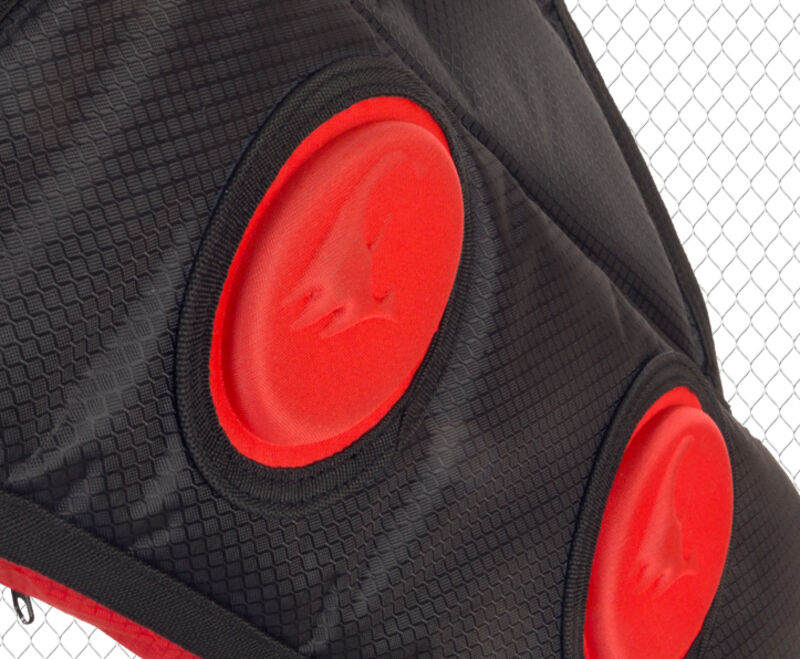
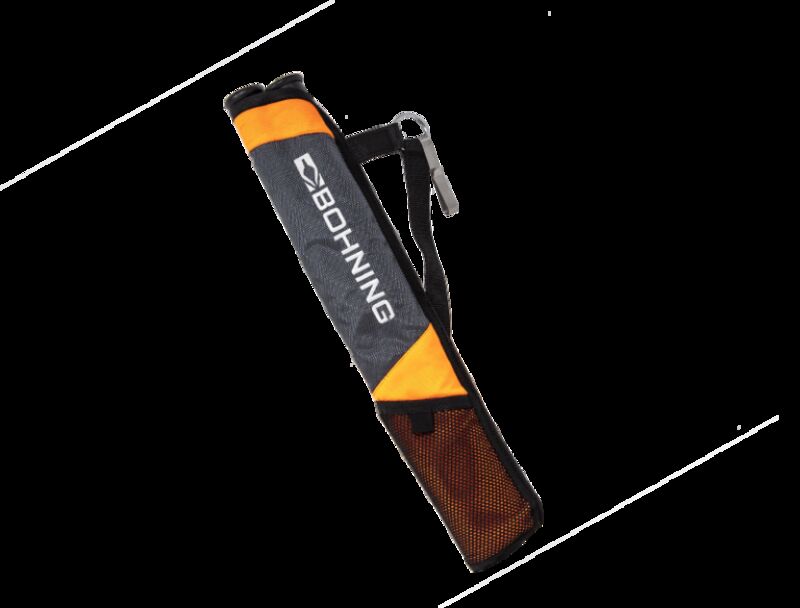
The hip quiver — sometimes called a side quiver — is the dominant choice among competitive target archers worldwide. It attaches to the archer’s belt and hangs at the hip, with arrow tubes angled forward for easy one-handed retrieval. Most hip quivers hold 10–14 arrows along with generous storage pockets for accessories.
Pros:
- High arrow capacity (10–14+)
- Excellent arrow access speed
- Large storage pockets for releases, scorecards, tools
- Available in left- and right-hand configurations
Cons:
- Bulkier and heavier than field quivers
- Can sway when walking a 3D course
- Less practical for bowhunting in dense brush
Best for: Indoor target archery, outdoor target rounds, 3D archery shoots with a fixed line, recurve and compound target archers.
If you’re shooting a recurve bow on the target line, a hip quiver is the standard choice at virtually every club and competition worldwide.
2. Field Quiver
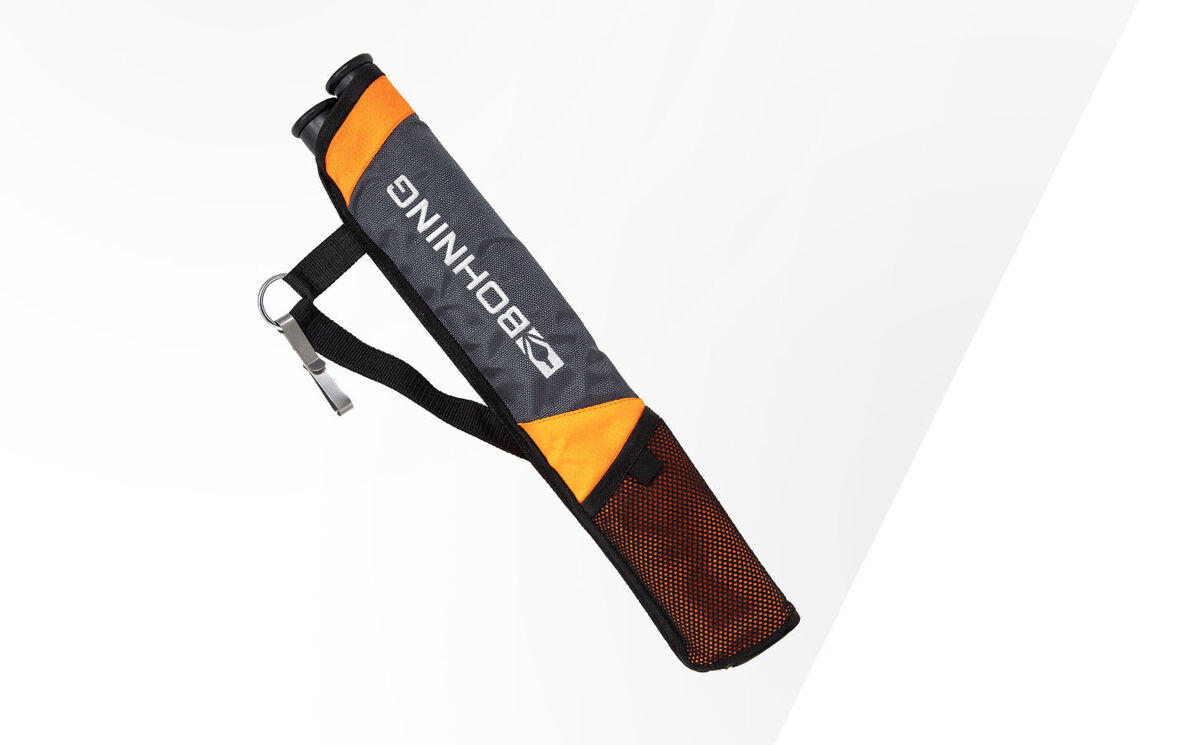
The field quiver is the sleeker sibling of the hip quiver. Like a hip quiver, it clips to the belt — but the key difference is arrow orientation: field quivers angle arrows backward, behind the shooter’s body. This positions the fletching behind the shoulder rather than forward, making the quiver less intrusive while walking.
Field quivers are lighter and more compact, carrying 3–6 arrows in most configurations. They sacrifice storage pockets for streamlined design and are popular among archers who want a minimal setup for walking courses.
Pros:
- Lighter and more compact than hip quivers
- Less interference when walking forest or 3D courses
- Balanced weight distribution
Cons:
- Fewer arrows and limited storage
- Arrows angle behind you, making them slightly harder to see/select
- Not ideal for high-volume target sessions
Best for: Field archery, 3D roving courses, archers who prefer a lightweight setup.
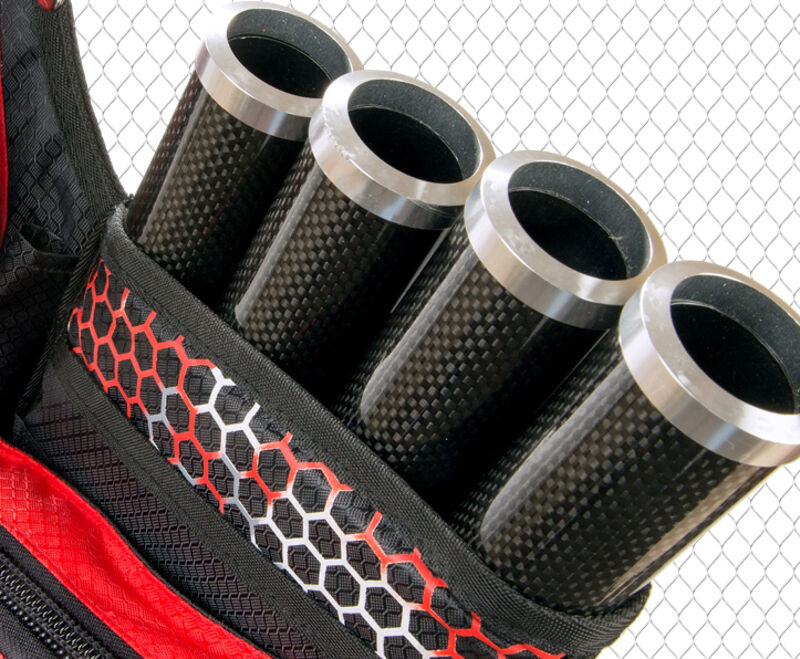
3. Bow-Mounted Quiver
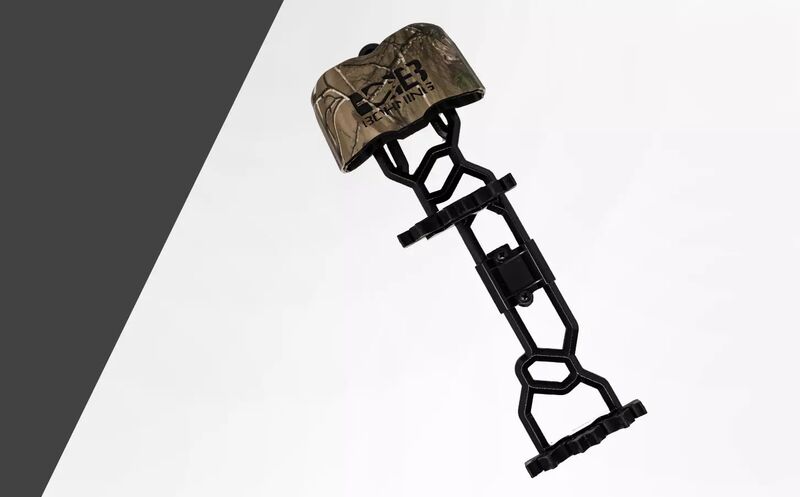
The bow-mounted quiver (also called a bow quiver or detachable quiver) attaches directly to the riser or limb of your bow. This design keeps arrows within arm’s reach at all times and is the most popular quiver style among bowhunters using compound bows.
Most bow quivers hold 3–6 arrows and feature foam-lined hoods that safely cover broadheads. They come in two main styles: fixed-mount (permanently attached) and detachable (removable via a quick-release mechanism). The detachable style is preferred by most hunters — you can remove the quiver once in the stand to reduce weight and noise.
Pros:
- Arrows always within reach, even in a treestand
- Broadhead hood protects both arrows and the archer
- Compact and hands-free
- Excellent for still hunting and spot-and-stalk
Cons:
- Adds weight to the bow (affects balance)
- Can affect tuning — particularly on recurve bows
- Limited arrow capacity (typically 4–6)
- Some models rattle if not properly fitted
Best for: Bowhunting with compound bows, treestand hunting, spot-and-stalk. Less suited to competitive target archery.
Understanding your compound bow setup is important before selecting a bow-mounted quiver, since some mounting systems require specific rail types.
4. Back Quiver
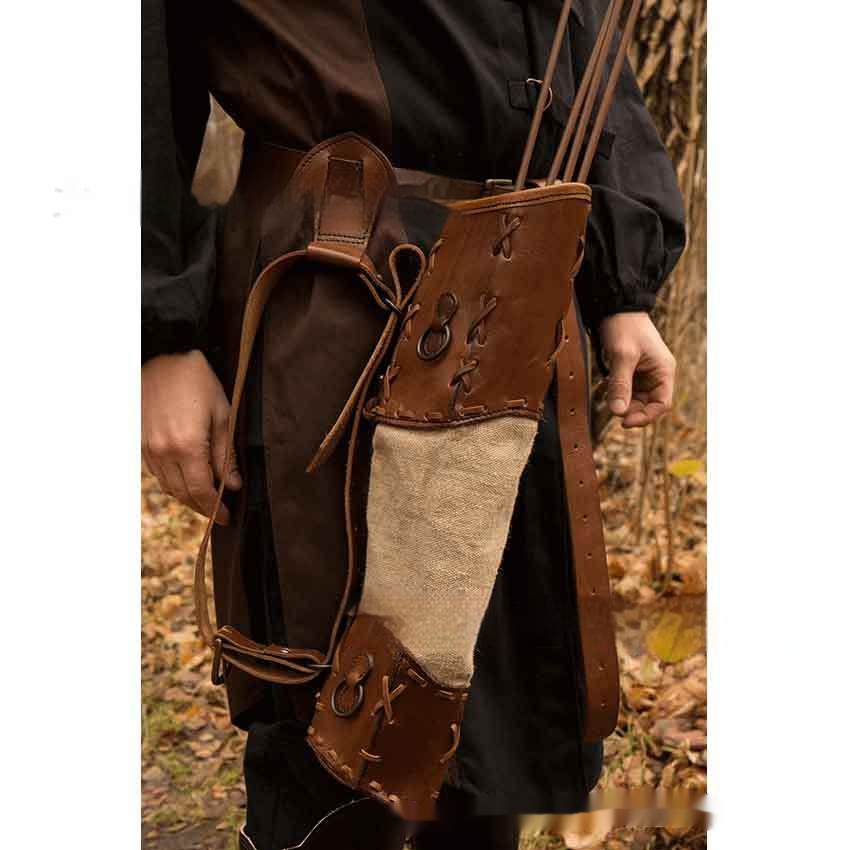
The back quiver is the one most people picture when they think of archery — worn diagonally across the back, with arrows sticking up over one shoulder. This is the Robin Hood quiver, the medieval staple, and it remains popular today among traditional archers for its classic look and generous capacity.
Back quivers can hold 20–25 arrows and don’t interfere with bow hand movement. However, pulling arrows is slower than from a hip quiver, and bending forward can spill your arrows. They’re not practical for crawling or stalking through dense cover.
Pros:
- High arrow capacity (20–25)
- Classic aesthetic — popular with traditional and longbow archers
- No interference with drawing arm or shot form
- Great for roving, field archery, 3D courses
Cons:
- Slower arrow retrieval — requires practice
- Arrows can spill when bending forward
- Not suitable for tight/dense terrain hunting
- Can rattle during movement
Best for: Traditional archery, longbow shooting, historical reenactment, roving through open terrain.
5. Ground Quiver
The ground quiver is a standalone unit that sticks into the ground (or attaches to a target stand) and holds your arrows upright while you shoot. Unlike worn quivers, it never adds weight to your body or bow.
Ground quivers are popular at target ranges and 3D archery events where archers shoot from a fixed position. Many competitions allow them on crowded shooting lines where hip quivers could bump neighboring archers. They typically hold 8–12 arrows and often include holders for bows and accessories.
Pros:
- Zero weight on body or bow
- Keeps arrows organized and upright
- Ideal for crowded ranges and competitions
- Usually inexpensive
Cons:
- Not portable — stays in one location
- Useless during any type of hunting or roving archery
- Requires a soft surface to stake in (or a compatible stand)
Best for: Indoor/outdoor target ranges, 3D archery fixed positions, beginner practice sessions, crowded shooting lines.
Quiver Selection by Archery Discipline
Choosing the right quiver becomes easier once you match it to how you actually shoot.
| Discipline | Recommended Quiver | Why |
|---|---|---|
| Indoor Target | Hip Quiver or Ground Quiver | High volume, stationary shooting |
| Outdoor Target (70m) | Hip Quiver | Standard on all international ranges |
| 3D Archery (Roving) | Field Quiver or Back Quiver | Less sway while walking courses |
| Bowhunting (Compound) | Bow-Mounted Quiver | Silent, compact, broadhead safety |
| Traditional Bowhunting | Back Quiver or Hip Quiver | Depends on terrain type |
| Traditional Target | Back Quiver or Hip Quiver | Personal preference, both work well |
Bow-Mounted Quivers and Bow Tuning
One consideration that often gets overlooked: a compound bow quiver or recurve bow quiver mounted to your bow will affect its balance. Compound hunters often shoot with a bow quiver attached, tune their sight accordingly, then remove the quiver in the stand — which can shift the point of impact.
To avoid this, either tune your bow with the quiver attached and leave it on when shooting, or tune without the quiver and always shoot without it. Consistent testing matters here. Understanding your bow sight adjustment process becomes especially important when switching between hunting and practice setups.
What to Look for When Buying a Quiver
Beyond type, several practical factors should guide your purchase:
Arrow Capacity
Match capacity to your shooting volume. Target archers shooting 12-arrow ends need more than a bowhunter who only carries 6 broadhead-tipped arrows. Don’t overbuy — a lighter quiver that fits your needs beats a heavy one with unused space.
Noise and Rattle
For bowhunting, silence is non-negotiable. Look for quivers with rubber-lined grippers, foam hoods, and rubberized mounting hardware. Test any bow quiver by shaking it with arrows loaded — no rattle means a better hunt.
Mounting System
Bow quivers use different mounting systems depending on the bow. Compound bows typically use a two-point mounting rail. Recurve bow quivers bolt directly to the riser. Check compatibility before buying. Your arrow specifications may also affect quiver compatibility, particularly arrow diameter and length.
Material and Durability
Target quivers made from nylon and reinforced fabric hold up well to daily range use. Hunting quivers in camouflage patterns are made from tougher materials to handle field conditions. Leather back quivers offer traditional aesthetics and improve with age.
Price Range
Ground quivers start at $15–$25. Basic bow quivers run $25–$50. Quality hip quivers for target shooting range from $40–$100+. Premium field quivers from specialist brands like Elevation Equipped or Selway Archery can reach $75–$150.
Common Questions About Archery Quivers
Can I use a hip quiver for bowhunting?
Yes, but it comes with trade-offs. Hip quivers can sway through brush and rattle during movement. If you prefer a hip quiver for hunting, look for models with a rigid attachment system and a tight-fitting arrow gripper. Some archers use a hip quiver specifically for field practice but switch to a bow quiver or back quiver in the field.
Do bow quivers affect accuracy?
A bow-mounted quiver adds weight and shifts your bow’s center of balance. This can affect groups, particularly at longer distances. The solution is to tune and practice with the same configuration you’ll use in the field — either always with the quiver or always without.
What quiver do Olympic archers use?
Olympic recurve archers almost universally use hip quivers, typically with 4–6 arrow tubes and multiple storage compartments for accessories. Brands popular on the Olympic circuit include Cartel, Decut, and Elevation Equipped. The choice is standardized enough that it’s practically considered part of the recurve kit.[1]
Are back quivers good for beginners?
Back quivers work fine for beginners in casual settings or traditional archery. However, for beginners in a club or range setting, a hip quiver or ground quiver is typically more practical — easier access, less bulk, and no risk of spilling arrows when bending down.
Quiver Materials: A Quick Overview
Modern quivers come in a range of materials, each with specific strengths:
- Nylon/polyester: Most target and field quivers. Lightweight, durable, weather-resistant, easy to clean.
- Leather: Traditional back quivers and some hip quivers. Ages well, stiff enough to hold shape, quieter than synthetic.
- Hard plastic/carbon: Found in tube-style target quivers. Protects arrows and allows for precise organization.
- Camo fabric: Hunting-specific quivers and back quivers. Blends into natural environments, often water-resistant.
The material matters most in hunting contexts — for target archery, function and storage capacity usually outweigh material preference.[2]
Matching Your Quiver to Your Arrows
The quiver you choose should accommodate your specific arrows. Micro-diameter arrows (like Easton Injexion or Victory VAP) require a quiver with appropriately sized grippers or tubes — standard gripper systems may not hold them securely. Most bow quiver manufacturers have addressed this, offering adjustable grippers, but it’s worth verifying before purchase.
Arrow length also matters. Back quivers work for arrow lengths up to 34 inches without issue. For archers shooting long arrows (32″+) with compound setups, a bow quiver with a deep hood is essential to ensure broadheads are fully covered.
Sources
- World Archery Equipment Rulebook — Official equipment regulations for target archery
- 3Rivers Archery: How to Choose the Right Type of Bow Quiver for Your Traditional Bow
- GritrSports: How to Choose a Quiver Based on Your Style of Archery
