
Archery Blog
Youth Olympic Hopefuls Clash at JOAD Nationals | Archery Weekly Jul 20–26
Jul
Three national and international competitions. Eight days of shooting. The week opened July 22 with the JOAD Target Nationals in Lincoln — where recurve U18 archers are shooting for Youth Olympic team spots, not just a national title — then shifted to Yankton, South Dakota, where the NFAA Outdoor Field Nationals and IFAA World Field Championships are running back-to-back at the same facility. Add a significant program announcement from NASP and two rule changes from the New York DEC, and this is the kind of week that makes late July one of the more consequential stretches of the archery calendar.
JOAD Nationals Double as Youth Olympic Trials in Lincoln
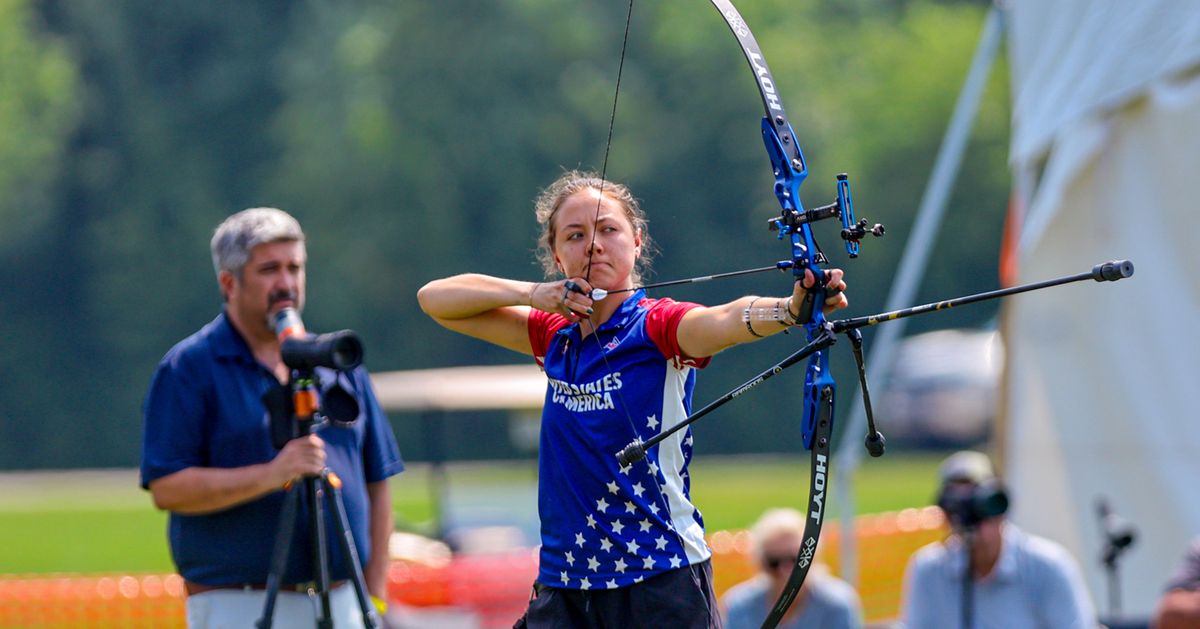
The 2026 WIAWIS USA Archery JOAD Target Nationals and U.S. Open is running July 22–26 at the Lincoln Sports Foundation in Nebraska, and for recurve archers under 18, what’s at stake goes beyond a national title. This event is functioning as U.S. Team Trials for the Youth Olympic Games — which means every arrow in the recurve U18 bracket has selection implications attached to it. That’s the kind of pressure that separates athletes who have trained under real stakes from athletes who only think they have.
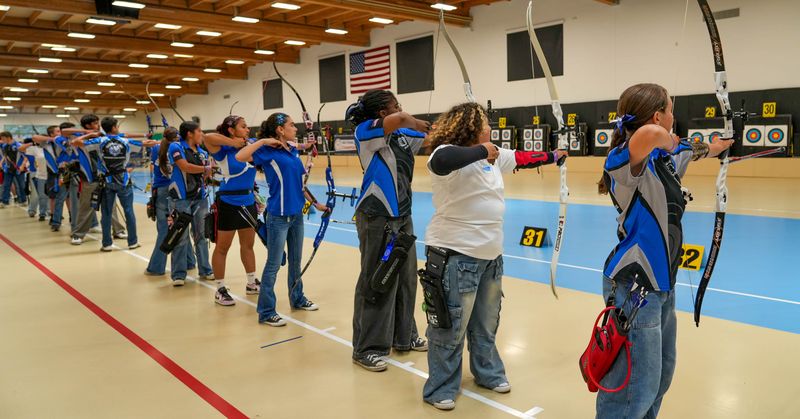
The event spans recurve, compound, barebow, and fixed pin divisions across multiple age levels, making it one of the widest competitive cross-sections of any USA Archery weekend. USA Archery kicked off proceedings with a Bullseye Bonanza celebration featuring Kona Ice before competition began Thursday morning. Full division results are expected to finalize by Sunday, July 26. For the recurve U18 bracket specifically, those results carry weight that extends well past Lincoln.
Youth archery in the United States is operating at a scale that would have been hard to forecast a decade ago. The Easton Sports Development Foundation’s $1.4 million donation to USA Archery earlier in 2026 is part of what funds the development pipeline that fills events like JOAD Nationals — and that investment is showing up in the competitive depth at Lincoln this week. The U.S. recurve U18 program has historically produced Youth Olympics medalists, and the field in Nebraska is the deepest it’s been in years. If you’re looking for a local program that connects to this pathway, our guide to finding local archery ranges and clubs covers how to locate JOAD-affiliated facilities near you.
NFAA Field Nationals Take Over Yankton
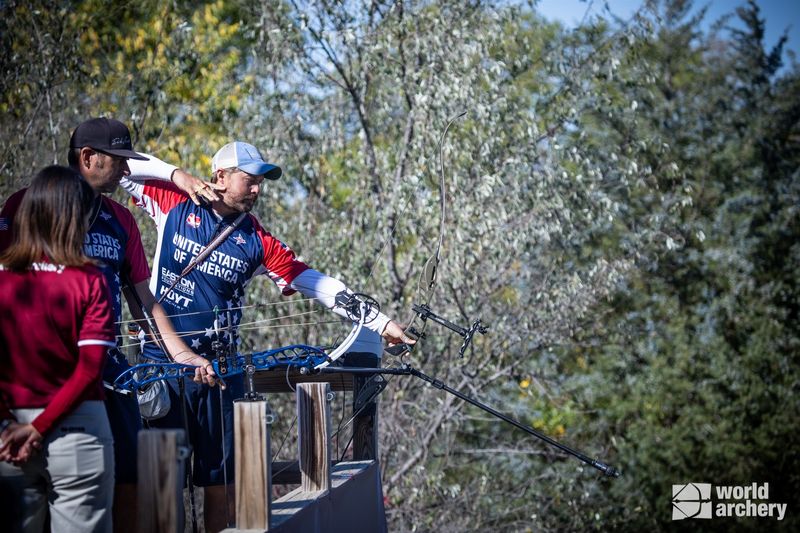
The NFAA Easton Yankton Archery Center is running the Outdoor National Field Championships July 24–26. Field archery is a fundamentally different discipline from indoor target shooting — competitors shoot at distances they don’t know in advance, over uneven terrain, in natural light that changes throughout the day. Yankton’s courses are respected specifically because the conditions are real, and the scoring is unforgiving.
Competition covers Field, Hunter, and Animal rounds across the three-day window. Professional division archers are shooting for cash payouts, while the coveted silver bowl trophies are awarded to top finishers in each class — hardware that holds real weight in the field archery community. The event draws elite field shooters who don’t often share venues with the recurve and compound target circuit, which makes Yankton a useful cross-pollination point for anyone who follows both sides of the sport.
The timing with the IFAA World Championships immediately following creates an unusual situation: the same courses that host the NFAA Nationals will then host international competition, with some of the best field archers in the world walking Yankton’s terrain for eight straight days. For compound target shooters curious about field archery, a consistent release is the single most transferable skill — and a properly fitted release aid makes the transition far smoother.

IFAA World Field Championships Bring 392 Competitors to South Dakota
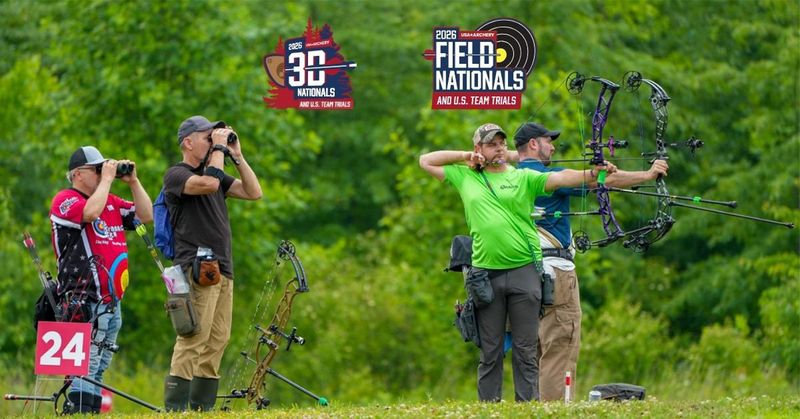
Starting July 25 and running through August 1, the IFAA World Field Archery Championships is the largest international archery event on U.S. soil this summer. Four hundred thirty-two competitors from multiple nations are shooting Field, Hunter, and Animal rounds across Yankton’s natural terrain — a format that rewards instinctive shooting and distance judgment that pure target discipline doesn’t always develop. National teams from Europe, South America, and Asia made the trip, and the international field is deep enough that results will be difficult to predict from pre-event rankings alone.
Field archery at the world level draws relatively little mainstream attention compared to the Olympic recurve circuit, but the technical demands are genuinely different — and in some respects more difficult. Shooting at an unmarked distance on a hillside in variable wind requires a different kind of mental discipline than standing on a line at a known distance. Standings are being posted through NFAA and IFAA official channels as each round finalizes. If you haven’t watched competitive field archery before, this week’s event is worth following.
NASP Launches Its First Grand Champion Award
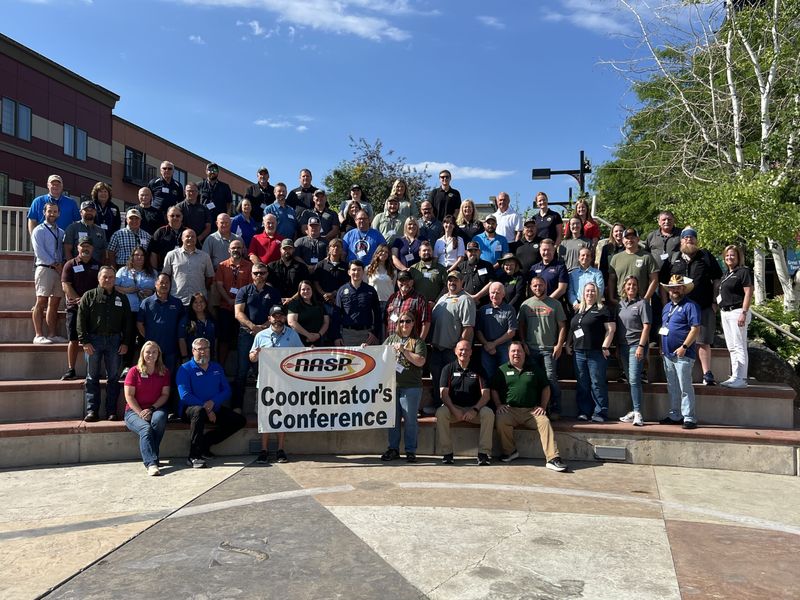
The National Archery in the Schools Program held its Coordinator Conference on July 16–17 in Helena, Montana, drawing coordinators, partners, and sponsors from across North America. The headline was the announcement of the inaugural NASP Grand Champion Award — the first format addition that explicitly rewards season-long consistency rather than single-tournament performance.
Starting with the 2026–27 school year, students will accumulate points toward the Grand Champion designation by posting strong scores across multiple NASP events throughout the season. It’s a deliberate design choice: the program is trying to surface athletes who can shoot repeatable scores under pressure over time, not just athletes who peak on a given Saturday. Alongside the Grand Champion rollout, NASP also announced expanded scholarship opportunities for the coming season.
NASP reaches millions of students annually across the U.S. and Canada, which makes it the single largest pipeline for introducing new archers to the sport. The Grand Champion format will likely push participation deeper into the regular season — if students are chasing cumulative points, a strong early-season score matters, not just nationals. For young archers building their practice routine at home before a NASP season begins, these home practice drills are designed to develop the kind of consistent, repeatable form that the Grand Champion points structure is built to reward.
New York Rewrites Its Bowhunting Rules for 2026
New York’s deer hunters have two significant rule changes to understand before September. The New York State DEC implemented a statewide Earn-a-2nd-Buck system for 2026: hunters must harvest an antlerless deer before they can use a second antlered tag. The first antlered deer tag remains usable in any season except September’s antlerless-only period, but that second antlered tag is locked until an antlerless harvest is confirmed. In practice, this creates more incentive to pursue does early in the season rather than holding out exclusively for bucks through the full archery window.
The second change is broader: crossbows are now permitted anywhere bowhunting is legal in New York, ending the previous restricted-zone rules that had limited crossbow use to specific seasons and regions. Both changes apply to any hunter with a valid hunting license and bowhunting privilege. The crossbow expansion is meaningful for hunters dealing with shoulder injuries or draw-weight limitations that made traditional archery equipment impractical — the new rules remove a significant access barrier.
Read the DEC’s regulation update directly before you head into the field. The Earn-a-2nd-Buck requirement has caught hunters in other early-adoption states off-guard — specifically around the confirmation requirement for the antlerless harvest before the second antlered tag activates. Getting your equipment dialed in well before opener is the other variable you can control: solid arm guard fit and release form are the kind of details that matter when a deer walks in unexpectedly and you have three seconds to draw.
Rinehart Brings Back Its Backyard Target
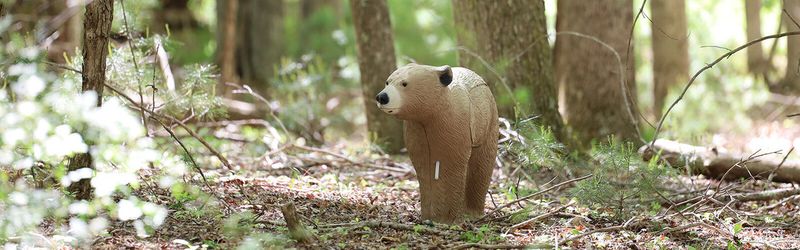
Rinehart Targets announced July 23 that its iconic backyard-size 3D target is returning to production. The Janesville, Wisconsin manufacturer built a loyal following with the original — a dense foam 3D target designed for close-range practice in residential yards — and the return addresses years of accumulated demand from archers who wore theirs out or came into the sport after the original run ended.
Pricing and availability haven’t been confirmed yet, but the backyard format has always been positioned as an accessible home-practice piece rather than a full-course competition target. The compact footprint makes it practical for archers with smaller yards who want 3D practice without the infrastructure of a multi-station course. For anyone building a home range before bowhunting season opens, a quality backstop net behind a 3D target is the combination that gives you realistic practice at hunting angles — something flat paper targets don’t replicate.
Looking Ahead
The IFAA World Field Championships run through August 1, so Yankton results will continue rolling in through next week. USA Archery’s next major domestic competition block after the JOAD Nationals is the 142nd USA Archery Target Nationals and 2026 U.S. Open, scheduled for late summer. On the bowhunting front, Wisconsin’s archery season opens September 13, with most Eastern states following through mid-October. That puts serious bowhunters six to eight weeks out from first shots — enough time to finalize sight marks at hunting distances and run your shot sequence enough times to stop thinking about it. The season doesn’t wait for equipment problems you could have fixed in July.
Sources
- 2026 WIAWIS USA Archery JOAD Target Nationals & JOAD U.S. Open — USA Archery official event page
- 2026 Outdoor Archery Season Set to Take Over Yankton — National Field Archery Association
- NFAA Outdoor National Field Championships 2026 — NFAA official event page
- IFAA World Field Championships 2026 — NFAA / IFAA event information page
- 2026 NASP Coordinator Conference Recap — National Archery in the Schools Program
- Recent Changes to New York Hunting Regulations — NY State Department of Environmental Conservation
- USA Archery News — USA Archery official news and event results hub
