Archery Blog
How to Make a Compound Bow Quieter: 9 Easy Fixes
Jun
A deer’s reaction time to a bow shot is roughly 30 to 50 milliseconds — faster than you can blink. Your arrow takes about 90 to 120 milliseconds to cover 20 yards. That gap is exactly why a loud compound bow loses animals: the sound reaches the deer, the deer drops and rotates to load its legs, and your arrow sails over the back it was aimed at. Quieting your bow doesn’t just make shooting more pleasant — it’s the difference between a clean hit and a clean miss. Here are nine fixes, ordered from cheapest to most involved, that actually work.
Where Compound Bow Noise Actually Comes From
Before you buy anything, it helps to know what’s making the racket. The bulk of a compound’s noise is post-shot vibration — energy that didn’t transfer into the arrow has to go somewhere, and it rings out through the limbs, riser, cables, and every loose accessory bolted on. The string and cables slapping to a stop add a sharp crack on top of that hum. The honest truth is that no compound bow is silent, and anyone selling you a “whisper-quiet” bow out of the box is overselling it. The goal is to dump as much of that leftover energy as possible before it turns into sound.
That framing matters because it tells you where to spend money. A featherweight arrow leaves a lot of energy in the bow. A loose quiver rattles. A bare string snaps. Each fix below targets one of those leaks.
1. Add String Silencers (The $10 Fix That Does the Most)
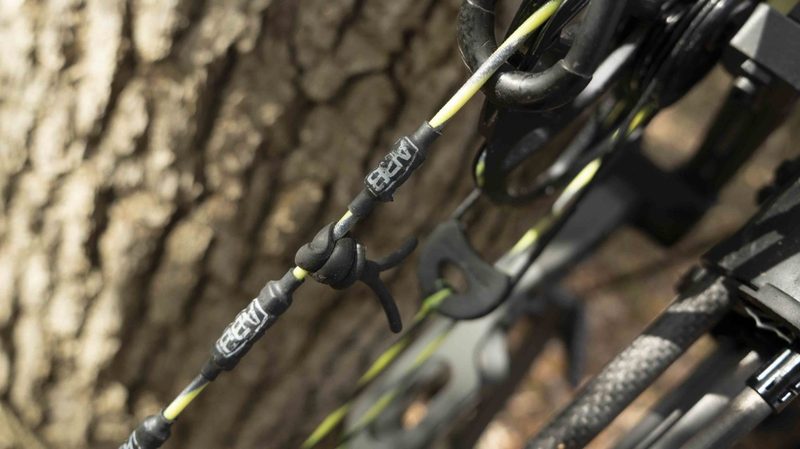
String silencers are small tufts of rubber, wool, or synthetic fiber that you weave into the string above and below the cams. They break up the string’s oscillation the instant it stops, knocking out that high-pitched twang. For ten bucks and five minutes of work, nothing else on this list returns more quiet per dollar.
Rubber “cat whisker” and monkey-tail silencers shrug off rain and are the practical default for hunting. Wool and tanned beaver hide are quieter still and naturally water-repellent, but they need occasional fluffing. Expect to lose 1–3 feet per second of arrow speed — a trade worth making every time you’re hunting.
2. Install Limb Dampeners on Both Limbs
Limb dampeners are rubber blocks that peel-and-stick or screw onto each limb to soak up vibration at the source. LimbSaver builds theirs from NAVCOM, a proprietary material the company says cuts up to 70% of vibration across a wide frequency range. Whether you hit that exact number or not, the felt difference at the shot is obvious — the bow settles in your hand instead of buzzing.
Put one on each limb, top and bottom. They cost about $15 to $25 a set and install in under two minutes with no tools beyond an Allen key.
3. Add a String Stop (String Suppressor)
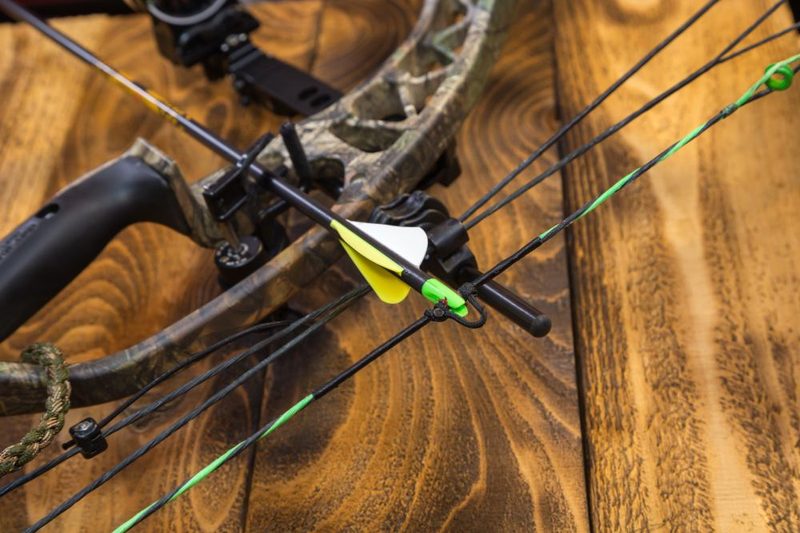
A string stop is a rubber-tipped rod that reaches out from the riser and catches the string at the end of its travel, stopping it dead instead of letting it whip forward and back. Most bows built in the last decade already have one; if yours doesn’t, a universal kit like the LimbSaver String Decelerator mounts to your front or rear stabilizer bushing. Manufacturers of string-leech style suppressors claim noise reductions as high as 90%, which is marketing-speak for “a lot” — but the principle is sound, and a string stop is one of the few upgrades you can both hear and feel.
4. Shoot a Heavier Arrow
This is the fix most hunters skip, and it’s one of the best. A heavier arrow absorbs more of the bow’s stored energy on the way out, leaving less behind to become noise and hand-shock. A light “speed” shaft does the opposite — it leaves energy in the bow and rewards you with a louder, jumpier shot.
Aim for an arrow in the 9 to 11 grains-per-inch range and a finished weight north of 420–450 grains for hunting. You’ll trade a few feet per second of speed for a noticeably calmer, quieter shot and deeper penetration — a deal most bowhunters take gladly. If you want to dial this in, our hunting arrow weight guide walks through matching shaft weight to your setup.
5. Add a Stabilizer With a Built-In Dampener
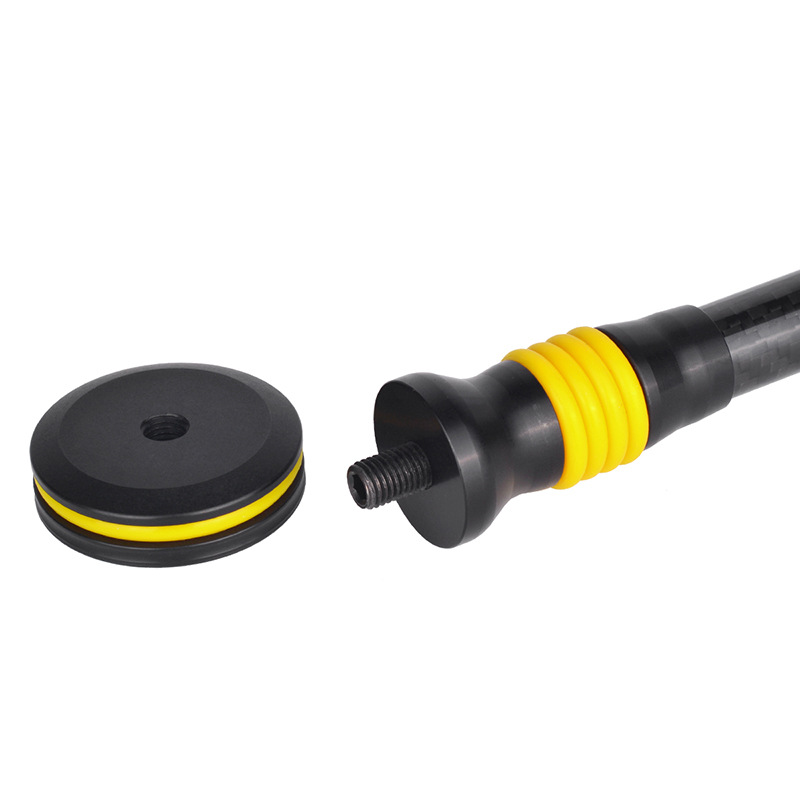
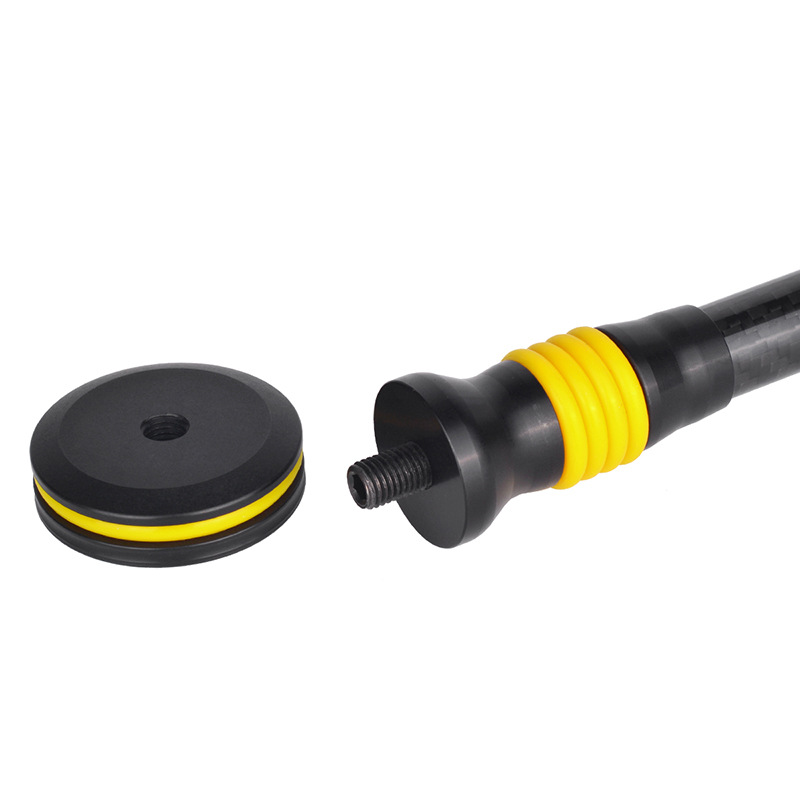
A stabilizer does double duty: it steadies your aim and, when it carries a rubber dampening insert, it bleeds vibration out of the riser before that energy can ring. Even a short 6- to 8-inch hunting bar with a dampener takes a measurable bite out of the post-shot buzz. For tree-stand and ground-blind hunters who don’t want a long target rod snagging on everything, a compact carbon bar with internal dampening is the sweet spot. Our bow stabilizer setup guide covers length and weight if you want to go deeper.
6. Tighten Every Screw and Accessory
Vibration loosens hardware over a season, and a loose sight, quiver, or rest will rattle and buzz long after the string has settled. Pull out an Allen wrench set and snug every accessory bolt — sight, rest, quiver bracket, stabilizer, and the limb-pocket screws. A drop of removable thread-locker on the threads keeps them from backing out again. It costs nothing and it’s the first thing to check when a bow that used to be quiet suddenly isn’t. Our compound bow maintenance guide covers the full once-over.
7. Switch to a Quiet Drop-Away Rest
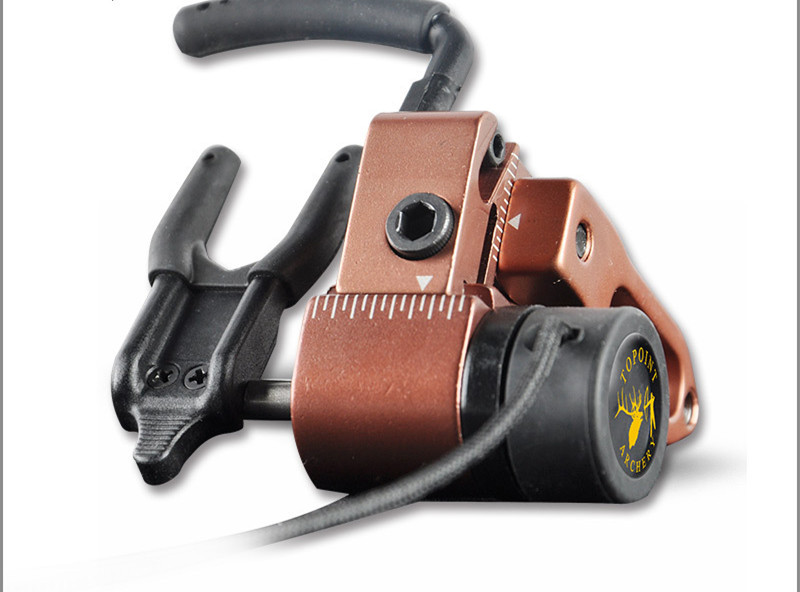
An old prong or full-containment rest that drags the arrow across a surface adds friction noise to both the draw and the shot. A well-tuned drop-away rest holds the arrow until release, then falls clear, so there’s nothing rubbing and nothing for the fletching to slap on the way out. Pair it with felt or moleskin on any remaining contact points — the shelf, the sight window — to kill incidental clatter when you draw on an animal.
8. Wax and Maintain the String
A dry, frayed string is both a safety risk and a louder string. Wax keeps the strands bundled tight so they behave as one unit instead of fraying into individual noisemakers, and it extends string life by months. Wax the string and cables every few hundred shots, and watch the serving around the cam and the D-loop for separation. If the strands are fuzzing badly or the serving is unraveling, it’s time for a replacement — a worn string won’t just be loud, it’ll shoot inconsistently.
9. Back Off the Draw Weight if You’re Overbowed
Here’s the unpopular take: a lot of “loud bow” complaints are really “too much bow” complaints. Cranked to the max poundage you can barely pull, a bow is harder to shoot smoothly and tends to be louder because you’re fighting it. Backing off 5 to 8 pounds often makes the shot quieter, your form cleaner, and your groups tighter — and a 60-pound bow with a heavy arrow kills deer just as dead as a 70-pound bow with a light one. Shoot the weight you can draw slowly while seated, in cold weather, without the bow creeping.
Quiet Bow Setup: What to Do First
If you’re starting from a bare bow, spend your money in this order. The early steps are cheap and deliver the biggest drop in noise; the later ones refine what’s left.
| Fix | Rough Cost | Noise Impact |
|---|---|---|
| String silencers | $10 | High |
| Limb dampeners | $15–25 | High |
| String stop | $20–40 | High |
| Heavier arrow | $80–150/dozen | Medium-High |
| Stabilizer w/ dampener | $30–80 | Medium |
| Tighten hardware | Free | Medium |
Watch: How to Silence Your Compound Bow
Lancaster Archery Supply walks through several of these noise fixes on an actual bow, which is worth seeing in motion before you start wrenching on yours.
Do String Silencers Slow Your Bow Down?
A little — usually 1 to 3 feet per second, depending on how heavy the silencers are and where you place them. That’s a rounding error for hunting distances. Placing them about a third of the way down from each cam gives you most of the noise reduction with the least speed loss. Nobody has ever missed a deer because their arrow was three feet per second slower; plenty have missed because the bow was loud.
Can You Make a Compound Bow Completely Silent?
No, and you shouldn’t chase it. Every fix has diminishing returns, and at some point you’re adding weight and fuss for noise the animal can’t react to anyway. Stack the high-impact fixes — silencers, dampeners, a string stop, and a heavier arrow — and you’ll land at a bow quiet enough that string-jump stops costing you shots. That’s the real target, not a literal zero.
The One Thing Most Hunters Get Backwards
Most archers chase quiet by buying gadgets and ignore the cheapest variable they own: arrow weight and draw weight. Dial those two in first, add silencers and dampeners second, and you’ll spend less and end up quieter than the guy with $200 of suppressors hanging off a featherweight arrow and a maxed-out bow. Before next season, weigh your arrows, check your poundage, and wax your string — then go listen to the difference.
Sources
- Lancaster Archery Supply — Bowhunting Tech Tip: How to Quiet Your Bow — string silencer and dampener demonstration on a compound bow
- LimbSaver — Universal String Decelerator — NAVCOM string-stop kit and vibration-reduction specs
- Bowhunting.com — Bow and Accessory Silencers — overview of string, limb, and accessory silencing options
- GoHunt — 7 Steps to Cut Noise for a Quieter Hunting Bow — heavier arrows and grains-per-inch guidance
