Archery Blog
How to Make a Mock Scrape: 7 Steps to Pull a Mature Buck
Jun
A mock scrape is a deliberately created scrape that imitates the bare-ground signposts whitetail bucks paw out under an overhanging branch — and when it’s built right, bucks usually start working it within 48 hours. The trick is not the dirt. It’s the licking branch above it. Get that branch at the wrong height, hang it at the wrong spot, or build the scrape where bucks don’t already travel, and you have a hole in the ground that smells like a sweaty bowhunter. Get the four variables right — height, location, scent, and timing — and you have a year-round funnel that mature bucks can’t ignore. This guide walks through the 7-step setup, the licking branch rules that make or break the site, when to start building (hint: summer, not October), and how to hunt the scrape without burning it after one sit.
What a Mock Scrape Actually Is (and Why Bucks Care)
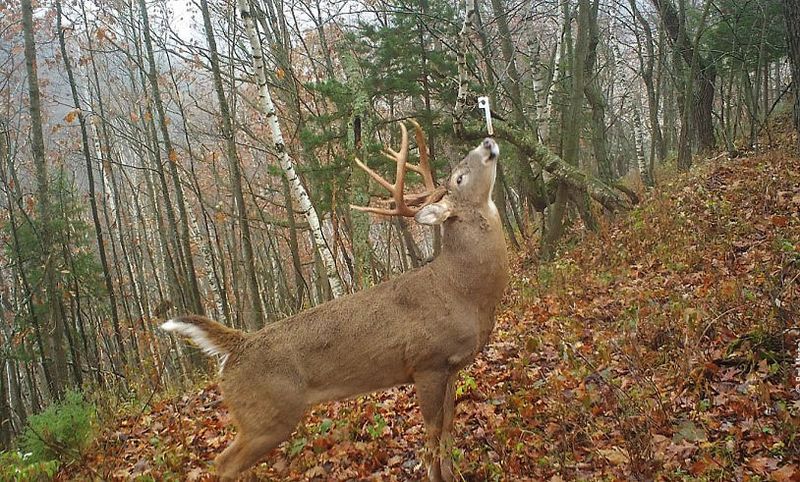
A natural scrape is an oval patch of cleared dirt — usually 3 to 4 feet across — that a buck paws out beneath an overhanging branch. He works the limb above with his preorbital and forehead glands, urinates over his tarsals into the dirt, and walks off. Other deer come by, smell who’s been there, and add their own scent. It’s a chemical bulletin board, and during the pre-rut, mature bucks check it constantly.
A mock scrape is the same setup, only you build it. You clear the dirt, you position the branch, you pick the location. Built right, deer use it within 48 hours and come back to it for years. According to the National Deer Association, once a buck commits to a mock scrape location, he’ll often return year after year as long as the licking branch stays intact. That’s the edge — you’re not creating a one-night stand. You’re installing a permanent fixture in his daily route.
The honest take: most bowhunters who say “mock scrapes don’t work” built them wrong. They picked a field edge, set the branch at eye level, dumped half a bottle of doe estrous into the dirt, and wondered why nothing came in. Bucks aren’t fooled by a bad fake. They’re fooled by an accurate one.
When to Make a Mock Scrape — Timing Beats Effort
Start in July or August, not October. That’s the single biggest correction to make if your scrapes have flopped in past seasons. Bucks lay down summer bedding patterns and core areas long before the rut, and a scrape built in July becomes part of the pattern. A scrape thrown together two weeks before opening day is just a new smell in the woods — and mature bucks treat new smells with suspicion.
The activity curve is clear: scrape checks are sporadic through summer, climb through September, and explode in the second half of October as the pre-rut hits. Field & Stream’s deer hunting editors recommend starting in summer specifically so bucks build the scrape into their daily route before they care about it socially. By the time their testosterone spikes, your scrape is already a fixture.
Here’s the catch with peak rut hunting: research cited by Realtree on collared bucks shows roughly 84% of scrape visits happen after dark. Your goal isn’t to make a scrape that gets visited — almost any scrape gets visited. Your goal is one that gets visited in daylight. That comes down to location and pressure, not timing.
Where to Build It — The Location Rule That Matters Most
Skip the field edges. Open-field scrapes look good on Instagram and get worked at 2 a.m. The scrapes that produce mature bucks during legal shooting light sit close to bedding cover — typically within 75 to 150 yards of a known buck bedroom, along a transition line where thick cover meets a doe travel route.
What you want to find on the ground:
- An existing pinch point — a saddle, an inside corner, a creek crossing, or a fence gap that funnels deer movement
- An overhanging branch at the right height (more on that in a moment) with no other competing limbs within 20 yards
- A wind setup that lets you access a tree or saddle nearby without blowing your scent into the scrape
- Existing deer sign within 30 yards — tracks, droppings, or a rub line — confirming the area is in active use
Whitetail Habitat Solutions calls these “junction scrapes” — built where two or more deer trails intersect. A junction scrape doesn’t ask the buck to detour. It sits exactly where he’s already walking.
How to Make a Mock Scrape — 7-Step Setup
The build itself takes 15 minutes. Tools you need: a sturdy stick or small rake, pruners, paracord, knee-high rubber boots, and clean nitrile gloves. Leave the cotton hunting clothes at home — you’ll be sweating, and you don’t want your odor anchored to a spot you plan to hunt.
- Scout and approach scent-free. Spray boots and gloves with an unscented odor eliminator. Walk in along a creek, ditch, or wet line when possible. Save the access route — you’ll use it again.
- Identify the licking branch. Look for a finger-thick, springy limb that hangs roughly belly-button to chest high — about 5 to 5.5 feet off the ground. Maple, oak, and cedar work well. Pine sap can repel deer, so skip evergreens with heavy resin.
- Prune competing limbs. Clear away surrounding brush so the licking branch is the obvious target. Take down anything that would force a buck to duck under or around it.
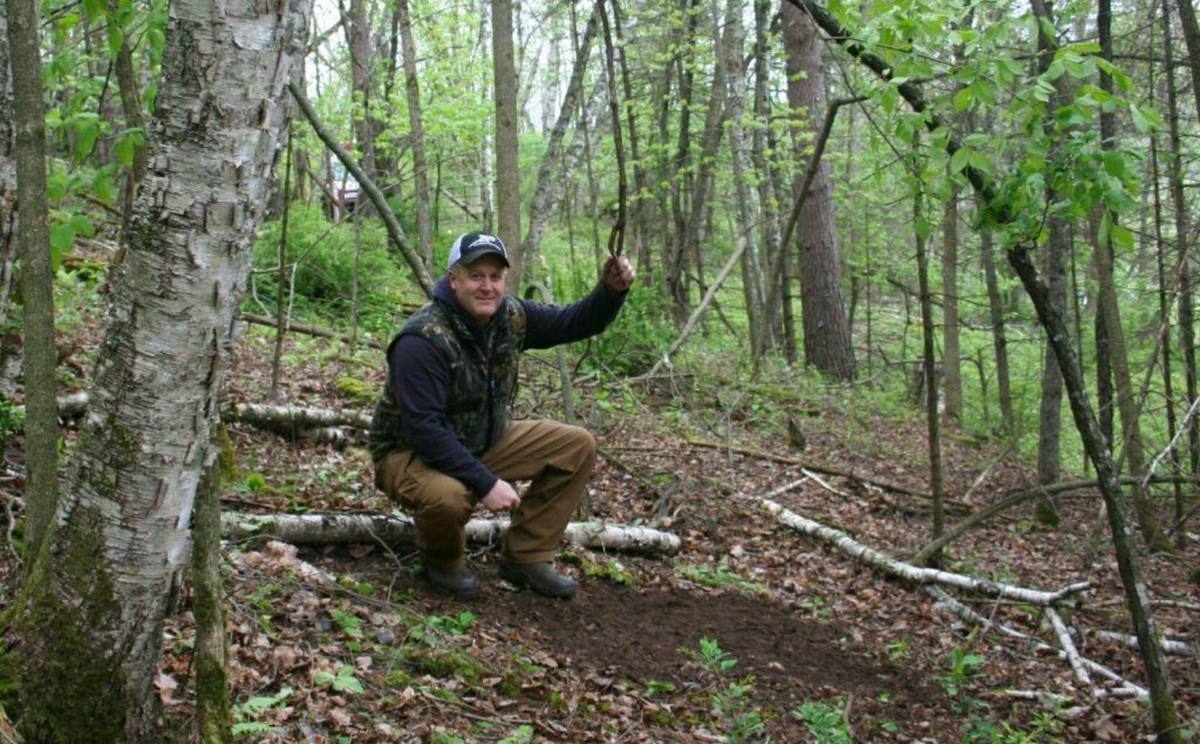
- Clear a 3-to-4-foot circle of dirt directly under the branch. Use the stick or rake to scrape off leaf litter and pine straw. You want bare, raw soil — not a half-cleared patch. Saucer it slightly so it holds moisture.
- Rough the licking branch. Bend it once or twice with gloved hands to break the bark slightly. Bucks shred these limbs with antler tips and lower incisors — your roughing job mimics that early-season conditioning.
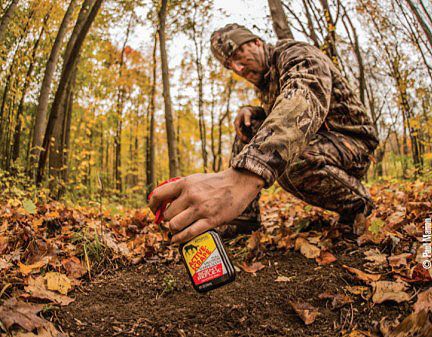
- Add a light scent introduction. Skip the doe estrous in summer. Use a few drops of fresh urine, interdigital, or pre-orbital gland scent in the dirt — just enough to suggest a deer was here. We’ll cover scent strategy in detail in a moment.
- Walk out cleanly the same direction you walked in. Don’t loop. Don’t pace around. The shorter your scent loop, the faster a mature buck will commit to the site.
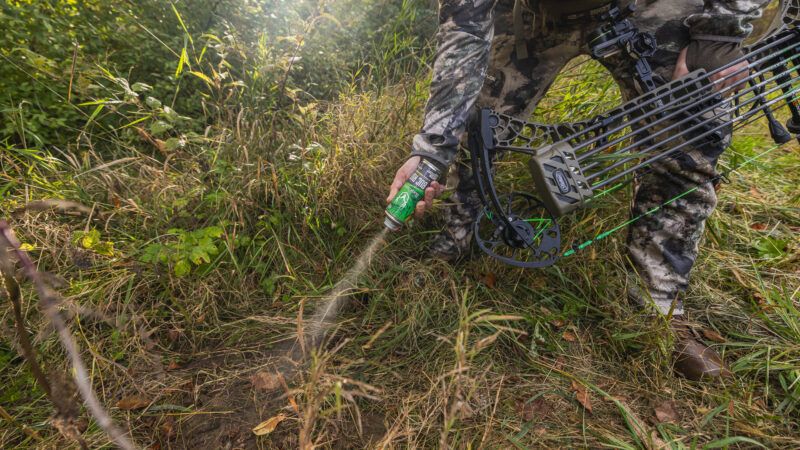
The Licking Branch — Get This Right or Skip the Rest
The licking branch is the part of the scrape bucks actually communicate through. The bare dirt below is theater. The branch is the message board. Get the branch wrong and you’ve built a scenic prop.
Three rules govern the licking branch:
Height. Belly-button to chest level on a mature buck — 5 to 5.5 feet off the ground for typical northern whitetails, slightly lower for southern bucks. Too high and they can’t reach it without rearing. Too low and they walk around it. The branch should be at the height where the buck’s nose naturally hits it as he passes underneath.
Spring. The branch needs to flex. Bucks pull it down with their antlers, mouth it, and let it snap back. A dead, brittle stick won’t survive one visit. If the area lacks a good natural branch, tie a flexible vine, fresh sapling, or hemp rope onto an existing limb with paracord. Many bowhunters now use synthetic licking branches — they don’t rot, don’t break, and survive years of use.
Originality. A buck will work an artificial-looking licking branch faster than a hunter expects, but only if everything else around it reads natural. Skip the bright orange paracord. Use brown or olive. Keep the rope or vine inconspicuous. The point is to look like the woods built it.
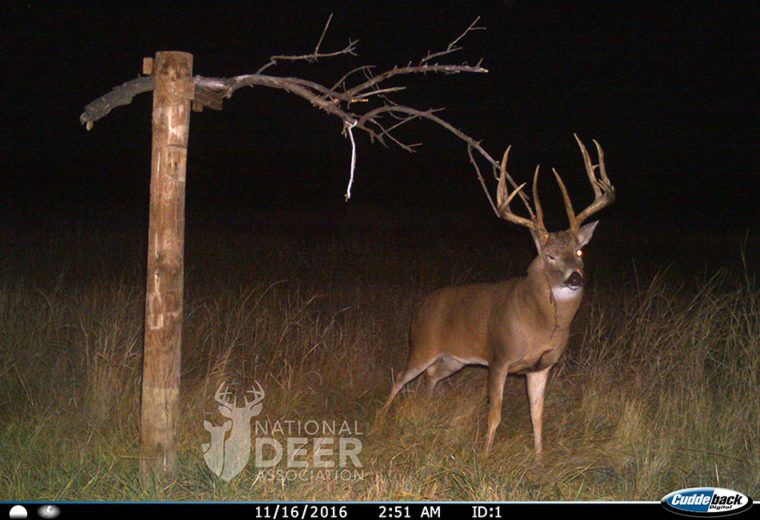
Scent Strategy — When to Add It and When to Skip
Scent is the most overused tool in mock scrape setups. Most bowhunters dump too much, too early, of the wrong type, and the result smells like a chemical spill to a mature buck. The cleaner approach: less, and only when the calendar calls for it.
July through mid-September: Use no scent, or a very small amount of fresh buck urine and tarsal scent. The social signal at this stage is “another buck lives here too.” You’re not advertising estrous — you’re building territorial familiarity.
Late September through mid-October: Switch to tarsal-heavy buck lures. Pre-rut bucks check scrapes to monitor competition. A few drops of fresh tarsal scent or a buck urine mix triggers a check-in.
Late October through November: This is when doe estrous becomes effective, but only in small doses. A wick soaked in estrous and hung six feet from the scrape (not in it) is more attractive than dumping scent into the dirt. Heat-activated scrape drippers timed to release during daylight hours can condition a buck to associate the site with morning activity — useful when you’re trying to pull him in during legal shooting light.
Skip the fake estrous in summer. Skip the buck urine in November. The wrong scent at the wrong time is worse than no scent at all.
Pairing Trail Cameras With Your Mock Scrape Line
A mock scrape without a trail camera is a guessing game. The camera tells you who’s visiting, when, and from which direction — and that data shapes when you hunt and when you leave the spot alone. Place the camera 8 to 12 feet from the scrape, 3 to 4 feet off the ground, angled across the scrape rather than directly at it so the flash or IR doesn’t blow out the frame.
Most bowhunters benefit from running a scrape line — three to five mock scrapes spaced 80 to 150 yards apart along a transition. The line gives you intercept points along a buck’s route. If you have a cellular trail camera on each, you can read which scrapes are getting daylight hits and time your sit to the most active one. For a full breakdown of camera angles and stealth setup, see our guide on trail camera placement for bowhunters.
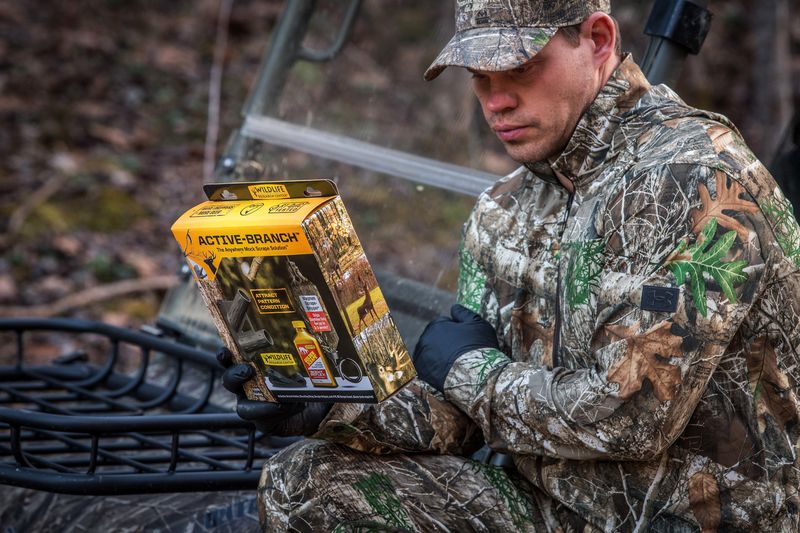
Hunting the Mock Scrape Without Burning It
The biggest mistake bowhunters make after building a great mock scrape is hunting it too soon and too often. A scrape is a long-term asset. Burn it on a marginal wind day and the mature buck stops working it in daylight. Three rules protect the site:
Wait for the right wind. Don’t sit a scrape if the wind blows from your stand toward the scrape — or toward the bedding area the buck is coming from. Mature bucks circle downwind of scrapes to check them by smell first. If your scent is in that downwind lane, you’re invisible to him but he’s already left.
Limit sits. Two to four sits per season per scrape, maximum. Anything more and a mature buck pegs the location. Move between scrapes in your line rather than hammering one spot.
Don’t refresh the scrape often. Once you’ve built it, leave it alone except for occasional scent top-ups during peak pre-rut. The less human disturbance, the more bucks treat it as their own territory. If you do approach to refresh, do it midday with the wind in your face and rubber boots that have never touched pavement.
Once the shot happens and an arrow flies, the next priority is finding the deer — not blowing through woods chasing blood. Our guide to blood trailing techniques covers the patience-and-method recovery system that turns marginal shots into recovered bucks.
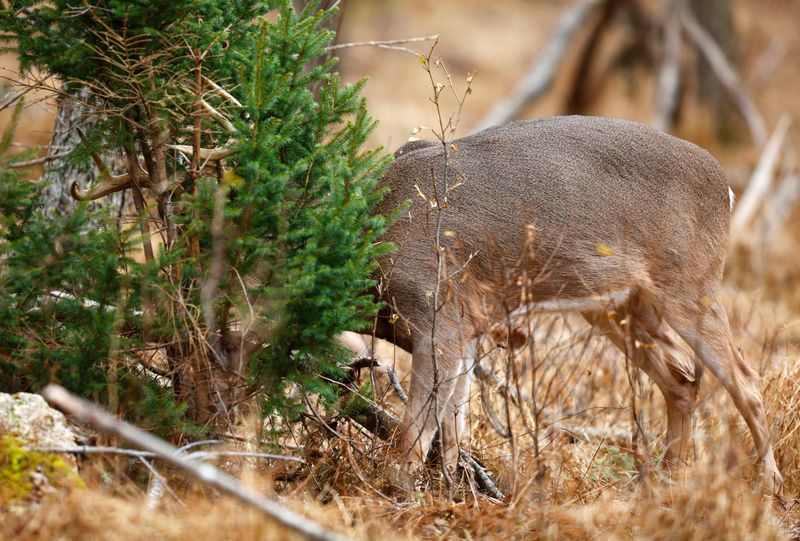
Watch: Building Mock Scrapes for Whitetail Bowhunting
This 7-minute walkthrough from Whitetail Evolution covers the on-the-ground build process — branch selection, dirt prep, and scent timing — in a working hardwood ridge.
Common Mock Scrape Mistakes Bowhunters Make
Even with the steps right, three errors derail mock scrape sites. Wrong-height licking branches top the list — too high or too low cuts out 90% of the social interaction that pulls bucks in. The second error is overscented dirt. A buck’s nose is tens of thousands of times more sensitive than ours, and over-application reads as “human dumped chemicals here.” The third is building on a high-pressure field edge instead of inside cover. Field-edge scrapes get nocturnal use; cover scrapes get daylight use.
One more honest take: weather matters more than scent. A windy, dry day will pull bucks off scrapes regardless of how well you built them. A damp, low-pressure morning after a cold front is when scrape activity peaks. Plan your sits around weather, not the calendar.
Mock Scrape Quick-Reference Checklist
- Built in July or August, refreshed lightly in September
- Within 100 to 150 yards of buck bedding cover
- At a pinch point, junction, or terrain funnel
- Licking branch at 5 to 5.5 feet, springy, roughed lightly
- 3-to-4-foot dirt circle, leaves and debris cleared
- Scent matched to the calendar — light buck signal summer, estrous late October only
- Trail camera at 8 to 12 feet, angled across the site
- Sit limit: two to four times per season on a single scrape
- Wind discipline: never hunt the spot with wind blowing toward the scrape or bedding area
The mock scrape isn’t a magic trick. It’s a system. Built in the right place at the right time of year and hunted with restraint, it’s the closest thing in deer hunting to an appointment — a known location a known buck checks on a known pattern. The bowhunters who fill tags on mature bucks aren’t lucky. They built a scrape line in July, hung cameras in August, and waited until the wind, weather, and calendar lined up. Start your line this summer, and next October will look very different.
Sources
- Mossy Oak: How to Make a Mock Scrape — Licking branch height, scent dripper conditioning
- National Deer Association: The Why and How of Mock Scrapes — 48-hour usage data and multi-year site loyalty
- Whitetail Habitat Solutions: How to Make a Mock Scrape — Junction scrape design and licking branch construction
- Realtree: The Ultimate Guide to Hunting Scrapes — 84% nocturnal visit data and downwind buck behavior
- Bowhunting.com: How to Make a Mock Scrape That Actually Works — Pre-rut and rut scent strategy timing
