Archery Blog
Best Compound Bows by Price Range: $300 to $1500 Buyer’s Breakdown 2026
Jun
Walk into any pro shop and the spread is dizzying: a ready-to-shoot package for $329 sits ten feet from a $1,499 flagship that looks almost identical to the untrained eye. So what are you actually paying for as you climb the ladder? This guide breaks down the best compound bows by price range into three honest tiers — entry, mid, and flagship — explains what each price band buys you in 2026, and helps you decide where your dollars stop adding shootable performance and start buying bragging rights.
The short version: a sub-$500 package gets a beginner hunting whitetails reliably. A $600–$900 mid-tier bow gets a serious 3D shooter into the X-ring. And the $1,200+ flagship tier buys you the last 5% of speed, smoothness, and fit-and-finish that competitive shooters and dedicated Western hunters quietly insist on. Let’s walk the price ladder.
What Price Actually Buys in a Compound Bow
Before we tier the bows, it helps to know which components and engineering details respond most to price. A modern compound is built from a machined riser, a pair of laminated limbs, a cam system, a string-and-cable harness, and a grip. Cheap bows and flagship bows use the same basic recipe — the gap is in machining tolerance, cam design, limb construction, and how cleanly the shot cycle feels at full draw.
As you spend more, four things consistently improve: riser stiffness (less hand torque), cam smoothness (a gentler draw cycle and quieter release), limb pocket geometry (tighter, more repeatable timing), and string quality (less peep rotation and creep). Speed ratings climb too, but only marginally — the difference between a $400 bow and a $1,400 bow is rarely more than 15–20 fps once both are tuned. You are mostly buying refinement, not raw velocity.
Budget Tier: $250–$500 Ready-to-Shoot Packages
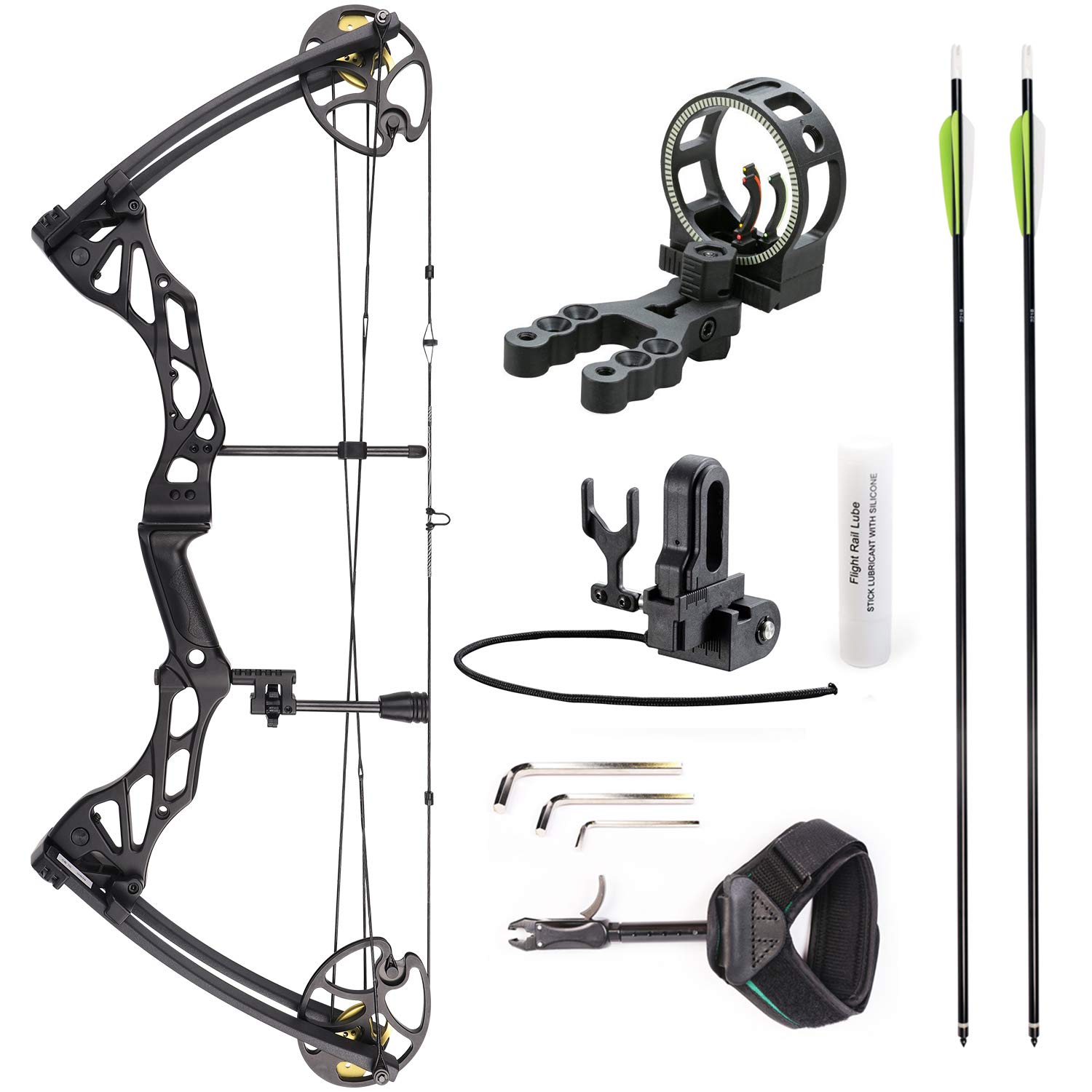
This is where almost every adult archer starts, and there is no shame in staying here for years. The budget tier is dominated by ready-to-shoot (RTS) packages — bow, sight, rest, quiver, peep, and a wrist sling bundled at one price. The riser is usually cast aluminum rather than CNC-machined, the cams are basic single- or dual-cam designs, and the strings are factory builds you will likely replace in 18–24 months.
Who this tier is for
New bowhunters, parents buying their first family rig, backyard shooters, and anyone testing whether compound archery sticks before committing $1,000+. A tuned budget bow will kill a deer at 30 yards just as dead as a flagship — the arrow does not know what the riser cost.
Honest picks worth shooting
- Bear Archery Cruzer G3 / G4 — the perennial winner here. 12-to-70-pound draw weight and 12-to-30-inch draw length adjustment without a press makes it a one-bow-grows-with-you pick for families.
- Diamond Infinite Edge Pro — Bowtech’s youth-friendly platform with the widest adjustment range on the market. Great for a teen shooter you do not want to outgrow the bow in 18 months.
- Quest Centec NXT — slightly stiffer riser and a smoother cam than most in the price band; a good pick if you want a hunting-leaning RTS.
Shop Bear Cruzer G3 Compound Bow Packages on Amazon →
Mid-Tier: $500–$900 Serious Shooter Bows
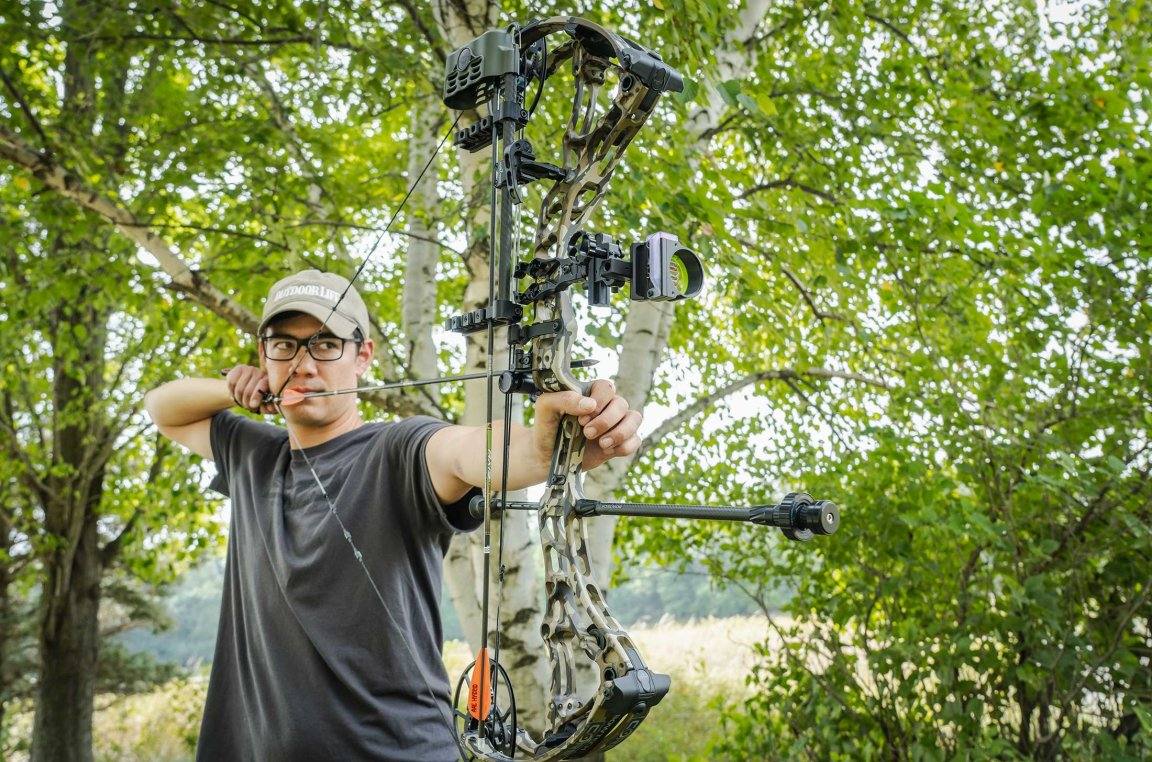
The mid-tier is the sweet spot for most experienced archers. Risers move from cast to CNC-machined aluminum, cam systems become genuinely tunable (yoke adjustment, draw stops, modular draw lengths), and limb pockets get tighter so timing holds longer between visits to the press. Speed ratings of 320–340 fps IBO become common, and bows in this band start to feel quiet and dead in the hand at the shot.
What you gain over the budget tier
Three things stand out. First, the draw cycle becomes noticeably smoother — you can hold at full draw longer without shaking. Second, hand shock drops dramatically, which improves follow-through and group sizes at distance. Third, the bow becomes a platform you can tune precisely: paper tuning, walk-back tuning, and broadhead tuning all become easier because the timing is more honest.
Models that punch above their price
- Bear Adapt+ — Bear’s mid-tier hunter. Adjustable without a press, surprisingly quiet, and forgiving for shooters still working on form.
- PSE Brute NXT / Stinger ATK — PSE consistently delivers more bow than the sticker suggests in this band; the Brute NXT in particular is hard to fault for whitetail work.
- Mission by Mathews (Switch, Hammr) — Mathews’ mid-priced sub-brand, built on grown-up engineering at a real-world price.
- Elite Basin — if you can find one used or discounted, the Elite shot cycle in this tier feels like a flagship from three years ago.
Shop PSE Brute NXT Compound Bows on Amazon →
Flagship Tier: $1,000–$1,500+ Best-in-Class Bows
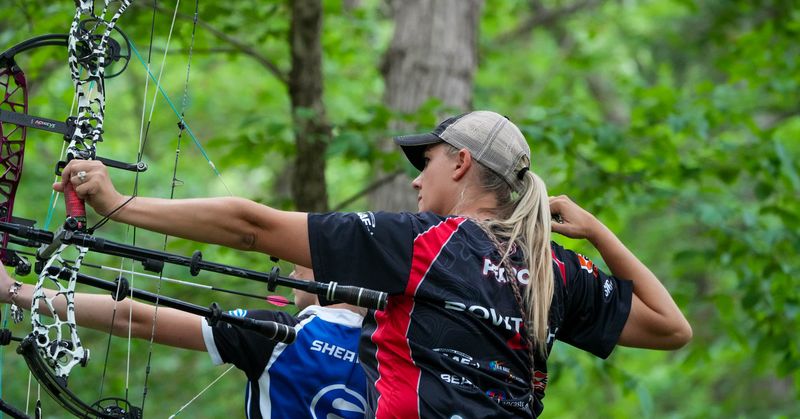
This is the top shelf — Hoyt, Mathews, Elite, Bowtech, Prime, PSE flagship lines. You are paying for the best machining the industry produces, the smoothest cam systems available, premium pre-stretched custom strings, and resale value that holds up shockingly well two or three years down the line. Speed ratings of 340–355 fps IBO are normal, and grip ergonomics become a religion.
What flagship pricing actually delivers
Refinement, mostly. The shot is quieter, the back wall is more solid, the let-off feels more honest, and the bow holds tune longer between adjustments. Customization options balloon — multiple cam modules, several limb weight options, factory color patterns, and dealer-level tuning support. For a Western elk hunter packing a bow eight miles into the backcountry, or a tournament shooter chasing a 300-round X-count, those refinements matter.
2026 flagships worth the money
- Hoyt RX-9 / Carbon RX series — the carbon riser is genuinely warmer in winter and lighter in the hand, and Hoyt’s HBX cam is among the smoothest in archery.
- Mathews Lift / Phase4 lineage — Mathews defines the dead-in-hand standard; if you cannot stand vibration, this is your aisle.
- Elite Ethos / Era — the most forgiving grip in the industry, plus tunability that competition shooters trust.
- Bowtech SR series — DeadLock cam technology genuinely simplifies tuning; a strong pick for someone who does their own setup.
- PSE Mach 34 / Carbon Levitate — when raw speed and a stiff riser matter, PSE flagships still win that chart.
Shop Hoyt Flagship Compound Bows on Amazon →
The Hidden Cost: Accessories and Setup
Whatever tier you choose, do not forget the accessories tax. A bare bow is not a shooting bow. Plan for:
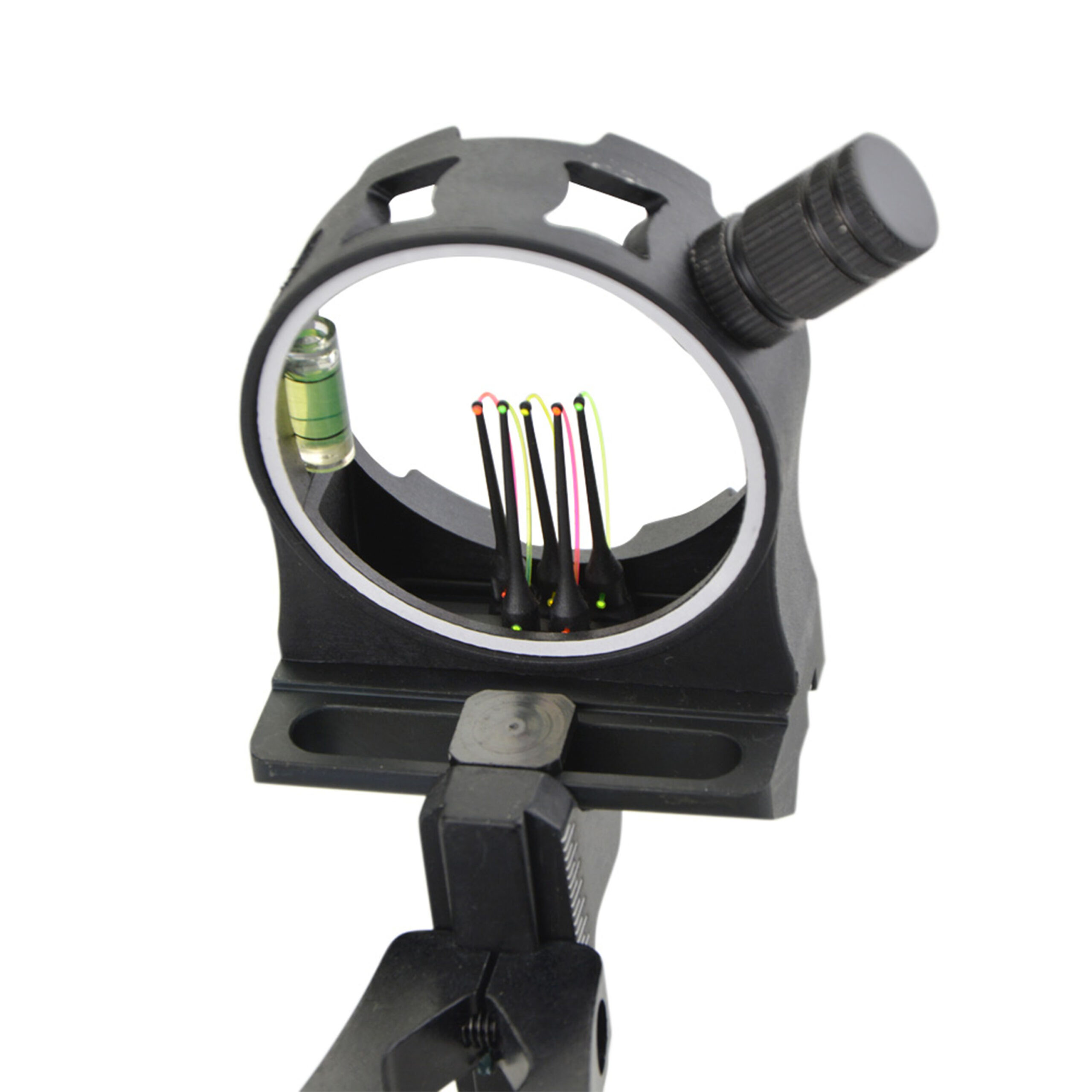
- Sight: $60 (single pin entry) up to $500+ (HHA, Spot Hogg, Black Gold flagship)
- Rest: $40 (Whisker Biscuit) to $250+ (Hamskea, QAD MX-2 drop-aways)
- Release aid: $40 to $200+ (Scott, Carter, Stan)
- Quiver: $40 to $150
- Arrows + broadheads: $80 for a dozen entry shafts, $200+ for premium hunting setups
- Stabilizer: $25 to $300
Realistically, budget another $300–$600 on top of a bare bow, or check whether your tier’s package includes the basics. This is why a $399 RTS package can outshoot a $1,200 bare flagship the first weekend — the bare bow is still 60% of the system.
Which Price Tier Fits Your Archery?
Ask three honest questions before you spend a dollar.
1. How many arrows will you actually shoot per week?
If the answer is 20–50 (a casual hunter pre-season), a tuned budget or low-mid bow is plenty. If you are launching 200+ arrows per week for tournament prep, flagship refinement pays you back in consistency and reduced fatigue.
2. What is your maximum honest shot distance?
Inside 40 yards on whitetails, the marginal gains of a flagship over a mid-tier bow are nearly invisible. Beyond 50 yards on Western game or in 3D competition, smoother cams and tighter timing matter — the flagship tier earns its premium.
3. Do you have a tuning shop you trust?
A budget bow tuned by a great pro shop will outshoot a flagship that was bought online and never properly paper-tuned. Where you buy matters as much as what you buy. A local shop relationship is worth real money over the bow’s lifetime.
Used and Last-Year’s-Model Bows: The Sneaky Best Value
The smartest compound bow buyers in 2026 are not chasing the new release calendar. Last year’s flagship — a 2024 or 2025 Hoyt, Mathews, or Elite — routinely sells for $700–$900 used in excellent condition. That bow shoots within 2% of the 2026 model. Forums like Archery Talk and r/Archery’s classifieds, plus local pro shop trade-in racks, are where the actual deals live.
A used last-gen flagship will out-shoot a brand-new budget bow at any distance, in any condition — and it will cost you less than the budget bow’s full RTS package after you add accessories.
The catch: buy used only with a recent string set, intact cams, and ideally a press-checked timing report from the seller. A $50 string-and-cable replacement is normal maintenance; cracked limbs or worn cam tracks are dealbreakers.
Bottom Line: Match the Bow to the Mission
The best compound bow by price range is the one matched to your actual archery — not to your aspirational version of it. New shooter or backyard plinker? Budget RTS in the $300–$500 band, and spend the savings on lessons and arrows. Serious hunter or developing 3D shooter? Mid-tier in the $600–$900 range delivers 90% of flagship performance. Tournament archer, Western backcountry hunter, or someone who simply enjoys premium tools? Flagship $1,200–$1,500 territory will reward every arrow you shoot through it.
Shoot before you buy whenever possible. Two bows from different brands at the same price will feel completely different in your hand, and the one that feels right at full draw is the one you will shoot well — regardless of what the spec sheet says.
Sources
- Archery Trade Association — industry data on bow categories and IBO standards
- Bowhunter Magazine — annual bow reviews and field testing
- Field & Stream — hunting gear comparisons and reviews
- Compound bow — Wikipedia — engineering overview and history
