
Archery Blog
Compound Bow Maintenance Schedule: Weekly, Monthly, and Yearly Care That Prevents Catastrophic Failure

May
A compound bow is a tensioned machine. Sixty to seventy pounds of stored energy sit locked between two limbs, two cams, and a string-and-cable system that flexes thousands of times across a single season. Neglect any one component for long enough and the failure mode is rarely subtle — a frayed serving lets a peep rotate, a dry axle galls a cam, a stretched cable shifts timing by an eighth of an inch and your groups open up at twenty yards. Worse, a derailed string at full draw is the kind of accident that ends with bent limbs, a destroyed riser, and a trip to the emergency room.
The fix is not heroic — it is scheduled. This guide breaks compound bow maintenance into three cadences: what you do every week you shoot, what you inspect every month, and what you hand off to a press once a year. Follow the rhythm and your bow will hold tune, your strings will outlast their warranty, and you will catch every problem before it catches you.
Why a Maintenance Schedule Beats Reactive Repair
Compound bow problems compound. A dry, fuzzed-out string sheds strands one at a time — you do not notice until the serving slips, the peep rotates, and a tournament round dissolves into a blind-bow nightmare. A cam that loses a tooth of timing shifts your nock travel just enough to print a paper tear that you spend a weekend chasing with rest adjustments that were never the problem. None of these are mysteries. They are the predictable output of a tensioned system left alone too long.
A schedule fixes the diagnosis problem by making every component someone’s responsibility at a known interval. You do not have to remember whether you waxed last weekend — the schedule says wax every weekend you shoot, so you wax. You do not have to wonder if the cables are creeping — the schedule says measure axle-to-axle and brace height monthly, so you measure. The bow tells you when something is wrong because you have a baseline to compare against.
Weekly Maintenance: The Five-Minute Walk-Around
Every week you shoot, run this five-minute routine before the first arrow. It catches ninety percent of problems before they cost you anything.
1. Wax the String and Cables
Modern BCY-X and 452X string materials are tough but they are not weatherproof. UV, humidity, and the sweat from your release hand all attack the fiber lubricant the manufacturer impregnated at build. Once the string runs dry it fuzzes, individual strands abrade against each other, and serving migrates. A small tube of dedicated bowstring wax — Bohning Tex-Tite, BCY Wax, or any name-brand equivalent — fixes this in sixty seconds.
Rub a thin layer onto the string and cables between the serving sections. Work it in with your fingers until the wax warms and the fibers absorb it — you should feel the string go from slightly fuzzy to smooth and slightly tacky. Do not wax over the servings themselves. Wax under serving traps grit and accelerates wear.

2. Visually Check the Servings
Look at the center serving (where your nock and D-loop sit), the end servings at both cam grooves, and the peep serving. You are checking for separation — gaps between serving wraps that expose the bare string underneath. A separated serving is a slipping peep, a moving nock point, and an inconsistent release waiting to happen.
If you see a small gap forming, dental floss or a serving-tool fix at home will hold you through the week. A serving that has migrated more than an eighth of an inch needs a re-serve at a pro shop.
3. Check All Accessory Screws
Sight screws, rest screws, quiver bracket bolts, stabilizer bushings — go around the bow with the right hex keys and apply firm pressure. Anything that turns gets a small drop of medium-strength threadlocker (blue Loctite 242 or equivalent — never red, you will need to remove these screws someday) and gets snugged to spec. A loose sight screw is the difference between a clean kill and a wounded animal.
Monthly Maintenance: Measurements That Catch Drift Early
Once a month — or every five hundred shots, whichever comes first — pull out a tape measure and a notebook. You are looking for drift, and drift only shows up against a recorded baseline.
Axle-to-Axle and Brace Height
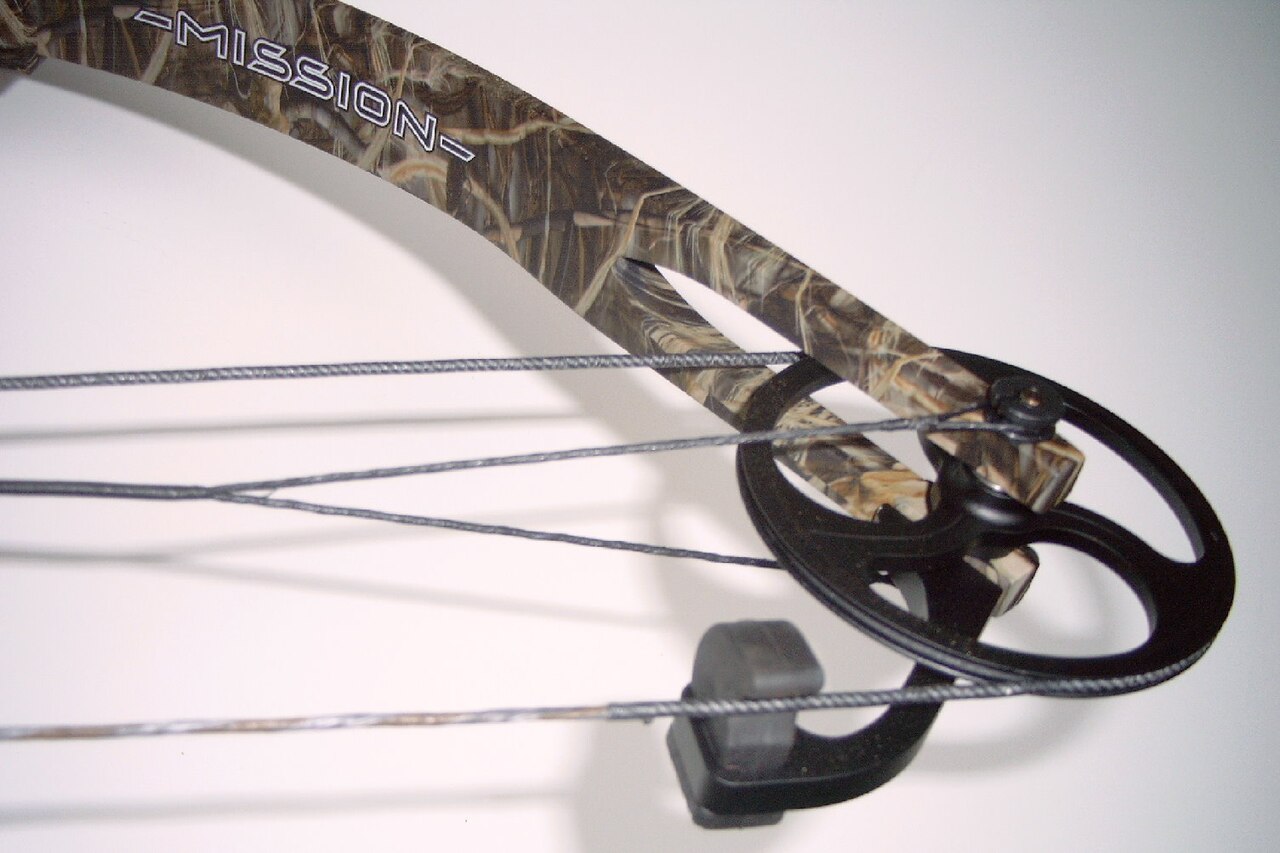
Every compound has spec sheet values for axle-to-axle length (ATA) and brace height. Write them on a sticker inside your case. Measure both monthly. Cables stretch as they break in — typically a couple of hundred shots after install — and then stabilize. A bow that drifts outside spec after the break-in window is telling you cables have stretched further than they should and timing is shifting.
An eighth-inch shift in brace height usually means a quarter twist needs to come out of the cables to restore tune. That is a press job, not a parking-lot fix.
Cam Timing Marks
Most modern dual-cam and hybrid-cam bows ship with timing marks etched into the cam — small lines or dots that should align with specific points on the cable or string at full draw. Have a friend draw the bow while you photograph the cam profile. Compare the photo to the manufacturer’s tune chart. If the top cam is rolling over a fraction earlier than the bottom, the bow is out of sync, and arrows will drop or pop high depending on which way the offset runs.
Cable Slide and Roller Guard
Inspect the cable slide or roller guard — whichever your bow runs — for groove wear and free movement. A roller guard with a sticky bearing creates inconsistent cable lateral travel and prints unpredictable left-right groups. Clean the assembly with isopropyl alcohol and re-lube with a single drop of light machine oil. Do not overdo it; oil attracts dust and grit, which abrades cables.
Limb Inspection
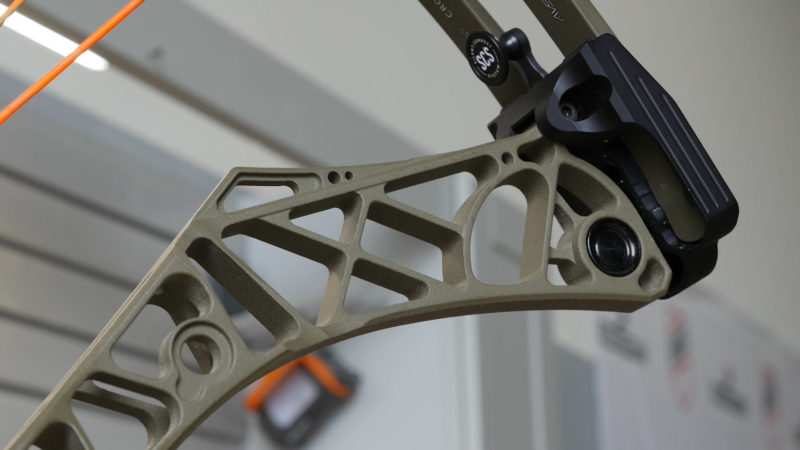
Limbs are the part of the bow you do not get to forgive. Run a fingertip down both edges of both limbs, in good light, looking for splinters, hairline cracks, and any lifted laminate. Catastrophic limb failure is the worst case in compound shooting — a cracked limb that lets go at full draw will pulverize a cam and can send shrapnel anywhere. Any visible damage means the bow comes out of service immediately until inspected by a tech.
Yearly Maintenance: The Press-Down Service
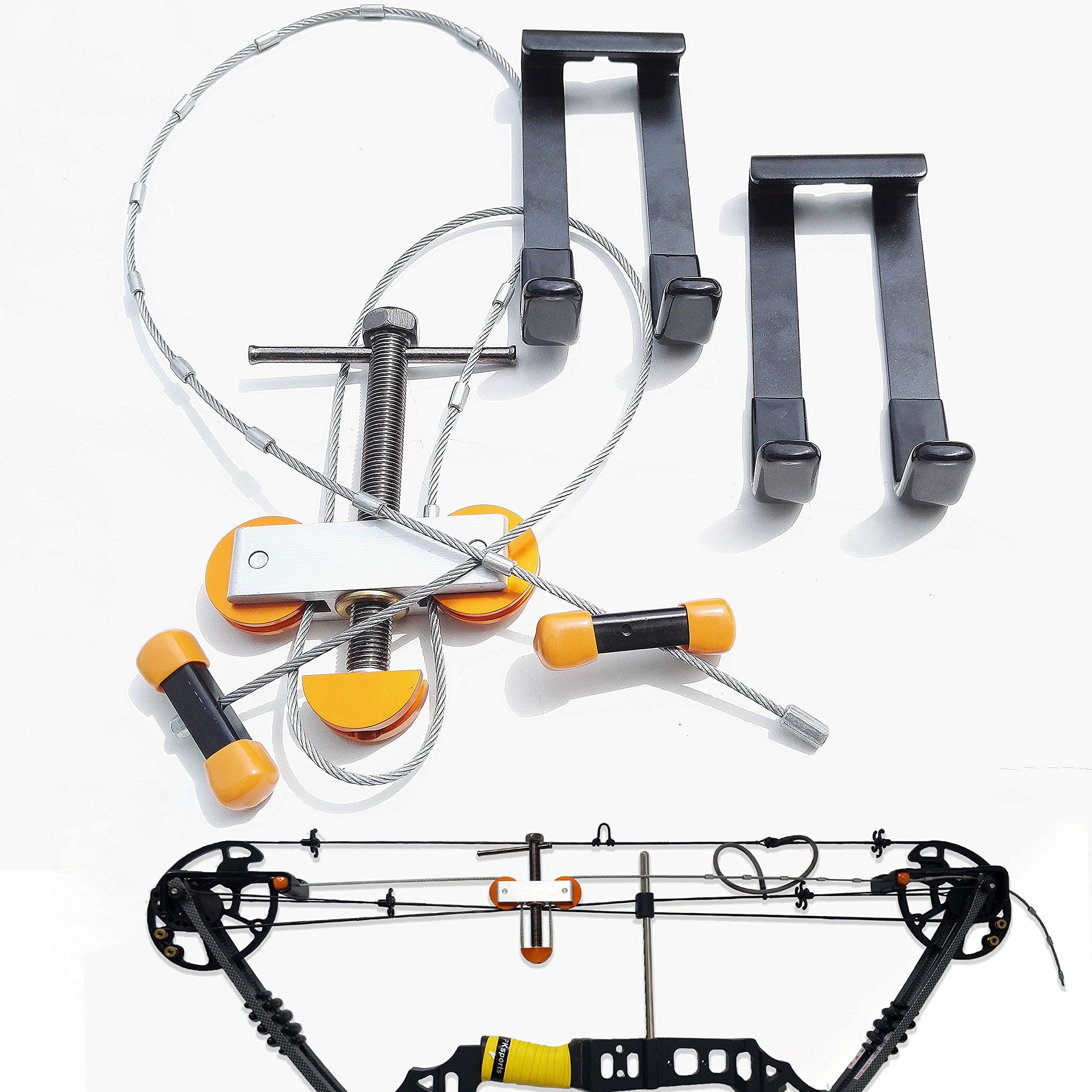
Once a year — or every two thousand shots — your bow earns a full bench service. Some of this you can do at home if you own a portable bow press; most archers without a press should hand the job to a shop. The total cost is usually less than fifty dollars, and the work prevents the expensive failures.
Strings and Cables: Replace or Inspect?
Most quality custom strings are warrantied for one to three years. Factory strings on entry-level bows can fuzz out faster. If the strings have served two seasons of regular shooting, replacement is the right default — new strings are inexpensive insurance against a derail. If you are not ready to replace, a press-down inspection by a tech is mandatory: they will check strand count, serving migration, cam-groove wear, and end-loop condition.
Axle Lubrication and Cam Service
With the bow pressed, the cams come off the limbs and the axles are accessible. Wipe the axle and bushing surfaces clean of old grease and grit. A thin film of a high-quality grease — synthetic axle grease or a dedicated bow-axle product — reseals the bearing surface. Spin each cam by hand once it is back on the axle. It should rotate smoothly with no rough spots or audible grit. A cam that grinds is a cam that is wearing its bushing oval, which eventually causes lateral cam lean and unpredictable nock travel.
Limb Bolt Torque Check
Limb bolts back themselves out slowly under thousands of shots. The yearly service is the time to back them down to zero, then bring them up evenly to your desired draw weight — counting turns out, counting turns back in, keeping top and bottom symmetric to within a quarter turn. Asymmetric limb bolts cause lateral nock travel and shift center shot. They also stress one limb more than the other and accelerate failure on the loaded side.
Re-Tune After Service
Any bow that has been pressed and reassembled needs a fresh paper tune and walk-back tune before it goes back into rotation. Sight marks may need fine adjustment, the rest may need centershot reconfirmed, and the peep may need a quarter turn to clear. Treat the post-service tune session as part of the maintenance, not as a separate chore. The bow is not in service until it groups again.
Storage: The Other Half of Maintenance
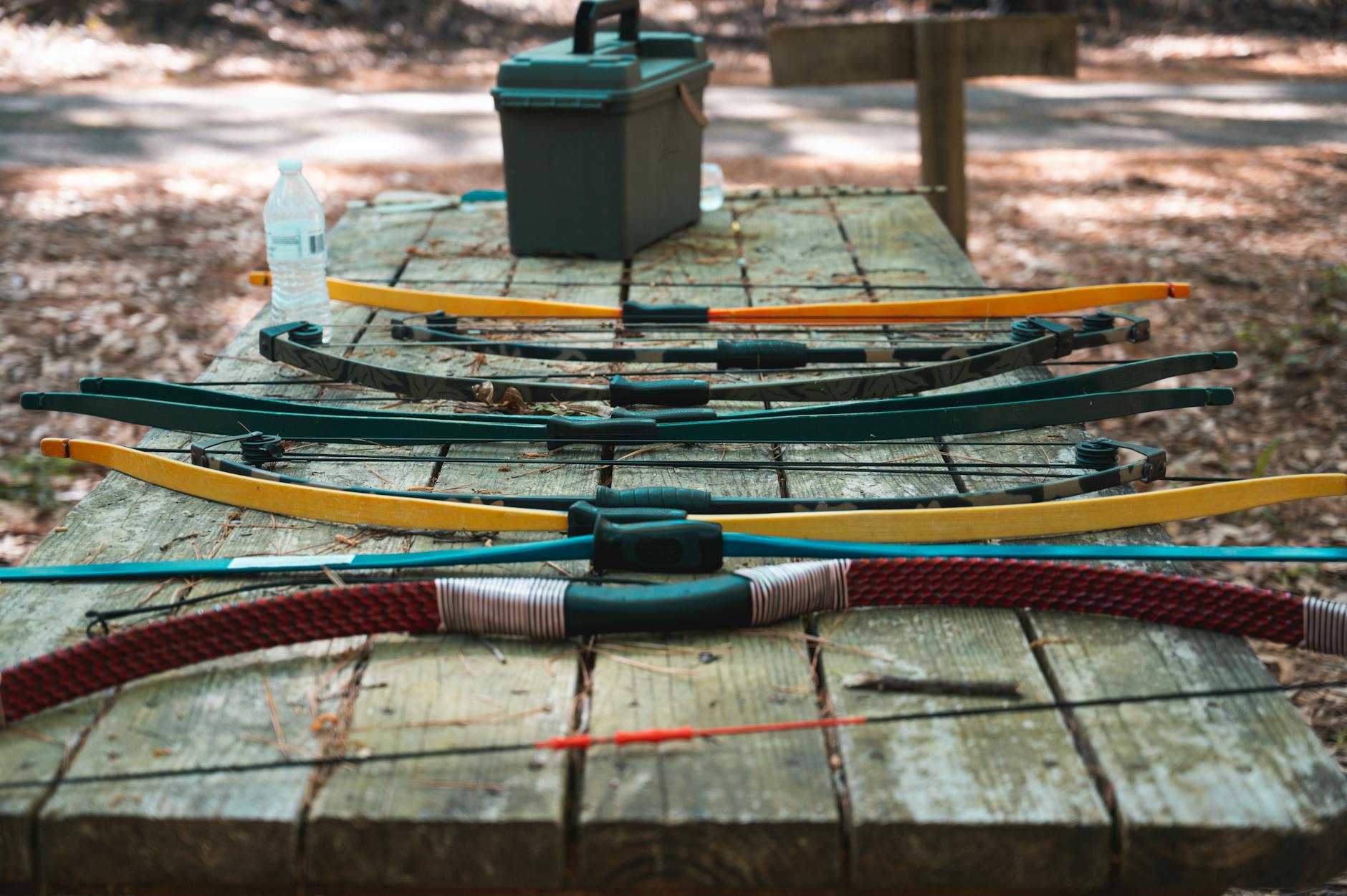
How you store a compound between sessions matters as much as how you maintain it during them. The two storage rules that matter:
- Temperature: Avoid extremes. A hot car trunk in summer softens string material and lets it stretch under static tension. A freezing garage in winter makes synthetic fibers brittle. Indoor storage at normal room temperature is correct.
- Humidity: A silica gel pack in your case absorbs the moisture that corrodes axle hardware and degrades string lubricant. Replace or recharge it every few months.
- Position: Hang the bow from the upper limb on a wall peg or lay it flat in a hard case. Standing it on a cam against the floor for months will, over time, flatten the cam grooves.
- Off-season detune: If the bow will sit for more than three months, some archers back the limb bolts off two to three turns to relieve stored tension on string and cables. This is an opinionated practice — useful for long winter storage, unnecessary for a bow that gets shot weekly.
The Maintenance Log: Two Minutes That Save Hours
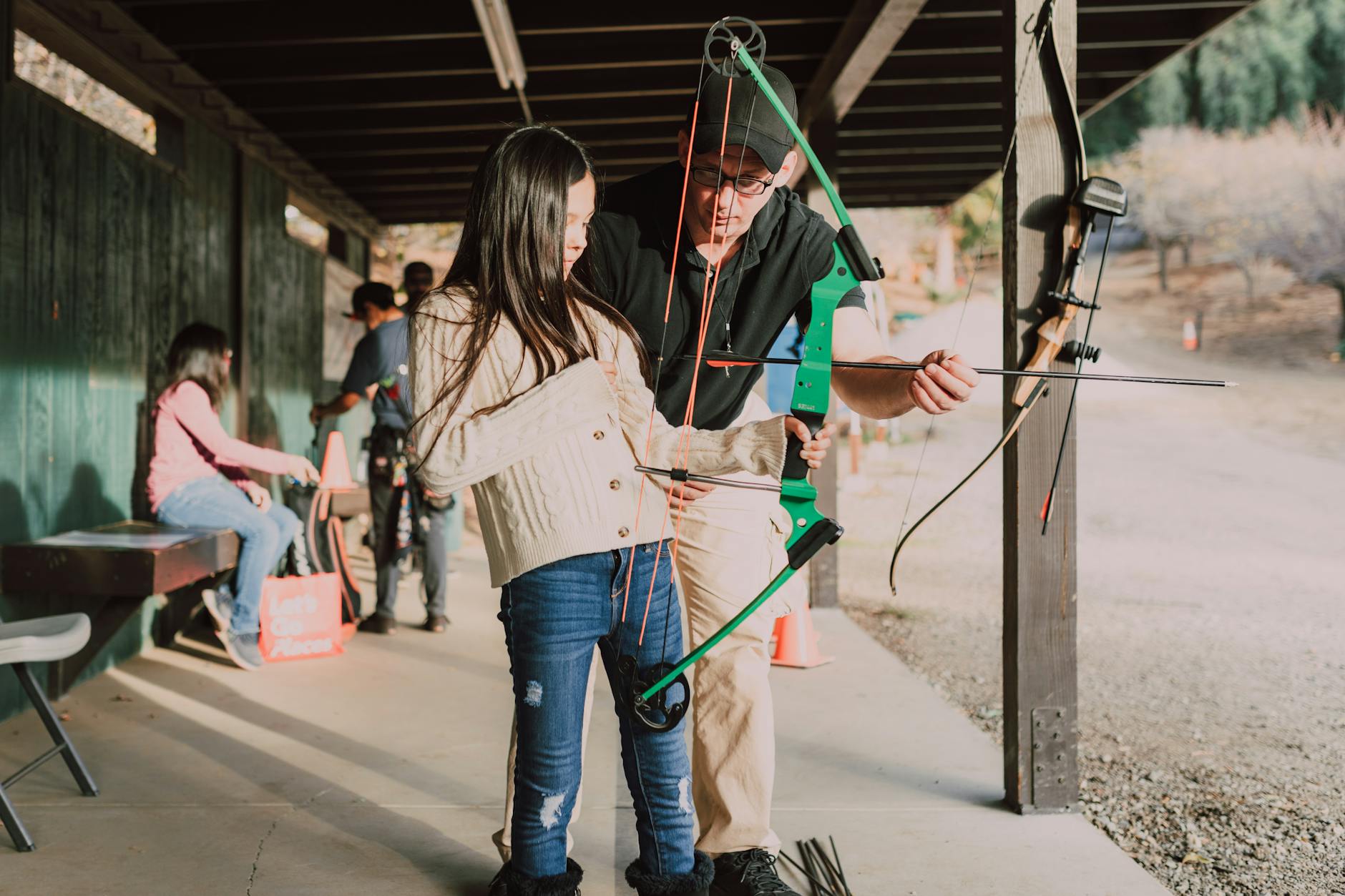
Keep a small notebook or a notes-app entry per bow. Log every shot count milestone, every wax application, every measurement reading. When something goes wrong — a sudden tear in paper, a peep that will not return to alignment, a louder shot — the log is the first place you look. Half the time the problem traces back to a missed monthly check or a count of shots that crossed the string-replacement threshold without notice.
The log also makes warranty conversations short. Most string warranties require shot-count and timeline documentation. A photographed log entry settles those conversations in one email.
Bottom Line
Compound bow maintenance is not a single annual event — it is a layered routine. Wax weekly. Measure monthly. Press yearly. Log everything. The components that are most likely to hurt you when they fail — the string, the cables, the limbs — are the same components that broadcast their condition loudly if you bother to check. The bow tells you everything you need to know. The maintenance schedule is just the discipline that makes you listen.
Sources
- BCY Fibers — String material manufacturer; reference data on BCY-X and 452X fiber properties and care.
- Bohning Archery — Manufacturer of bowstring wax, fletching, and serving materials.
- Archery Trade Association — Industry resource for bow service standards and shop guidelines.
- Wikipedia: Compound bow — Overview of compound bow mechanics, cam systems, and historical development.
Browse archery bows, arrows, and accessories at the Archery Supplier shop →
