Archery Blog
Low-Light Bow Sights: Single Pin vs Multi-Pin at Dawn and Dusk
May
When legal shooting light starts to fade, your bow sight stops being a spec-sheet comparison and becomes the deciding factor on whether you draw or let down. The single pin versus multi-pin debate looks tidy at the indoor range, but it changes shape the moment you are sitting in a treestand watching the woods go grey. Fiber optic length, pin clutter, brightness gathering, and the practicality of sight lights all swing the verdict in ways that matter more than the standard daylight comparisons you have already read a dozen times.
This article skips those tired target-shooting tradeoffs and focuses on one question: which design gives you more usable minutes when the sun drops?
Why Low Light Matters More Than Target Specs
Most deer movement happens in the first thirty minutes after legal shooting light begins and the final thirty before it ends. That window is also when your sight has the least ambient brightness to work with. A pin that looks brilliant at noon can become a featureless smudge against a brown deer at last light, and the difference between a sight that gathers light well and one that does not can be the difference between a clean broadside opportunity and a passed shot.
Legal shooting light in most U.S. states is defined as thirty minutes before sunrise to thirty minutes after sunset. Inside that window, the human eye is operating in mesopic vision, the transition between daylight cones and night-vision rods. Pin colors shift, contrast collapses, and any sight that depends on bright fiber optic transfer loses performance fast. Test your sight in a dim garage at home and you can already see this happening before you ever climb a treestand.
Fiber Optic Length: The Hidden Spec That Decides Low-Light Performance
Both single pin and multi-pin sights use fiber optic strands to glow. The brightness of those strands is a direct function of how much fiber is exposed to ambient light. More fiber wrapped around the sight housing means more light captured and pushed down the strand to the pin tip. This single specification quietly determines low-light performance more than pin color, housing design, or bubble level placement.
Single Pin Fiber Lengths
Modern single pin sights typically wrap eight to fourteen inches of fiber around the housing. Premium slider models from Spot Hogg, HHA, and CBE push toward the upper end of that range. Because there is only one pin to feed, all of that gathered light concentrates into a single dot, which stays bright far longer as conditions dim. The economics of light transfer in a single pin sight strongly favor the shooter in the final minutes of legal light.
Multi-Pin Fiber Lengths
Multi-pin sights have to feed three, five, or seven separate fibers. Even premium options like the Black Gold Ascent Verdict or Spot Hogg Fast Eddie wrap impressive amounts of fiber per pin, but each strand competes for the same ambient light around the housing. The result is that each individual pin tends to be slightly dimmer in fading conditions than a comparable single pin design. A five-pin sight with twenty-five total inches of fiber is not the same as a single pin sight with the same total fiber, because the photons are being split.
Pin Clutter When Contrast Disappears
There is a second low-light penalty for multi-pin sights that nobody talks about until they have lived it. As light fades, your eye loses the ability to easily separate the colors and positions of pins stacked vertically. The twenty-yard green pin and the thirty-yard yellow pin start to blur. Picking the right pin under a tight shot window becomes its own cognitive problem on top of the actual aiming task.

A single pin sight never has this issue. There is one dot. You range, you dial, you aim. The cognitive load at last light is dramatically lower, which is why some experienced bowhunters who fought multi-pin sights for years end up moving to single pin specifically for the final fifteen minutes of legal light. The decision is not about brightness alone, it is about how much mental work the sight asks of you when your eye and brain are already working harder than they do at noon.
Sight Lights and Battery Reality
The standard answer to low-light pin visibility is to add a sight light, a small battery-powered LED that illuminates the fiber optic housing externally. Most premium sights have integrated mounting points or include the light in the box. Multi-pin shooters often rely on sight lights more heavily because they have more pins to keep visible. Single pin shooters use them too, but the design has more headroom before the light becomes mandatory.
Sight lights solve the brightness problem but introduce three new ones. Battery life is short, often shorter than a cold morning sit, and lights die at the worst possible moments. Many state regulations restrict or prohibit electronic sight illumination during certain archery seasons. And improperly positioned lights can wash out fiber color, create reflections inside the housing, or backlight the pin so heavily that you lose the precise tip you need for a confident shot.
Before relying on a sight light as the answer to low-light shooting, check your state’s bowhunting regulations carefully. Several Eastern states prohibit any electronic light source on a sight during archery deer season. A sight that depends on the light to function in low light becomes useless in a state where you cannot legally use it.
Peep Sight Aperture and Low-Light Throughput
Your peep sight is the other half of the low-light equation, and most bowhunters undersize it. A 1/8 inch peep that gives a tack-sharp sight picture in midday sun starves the sight housing of light at dusk. The fix is to switch to a 3/16 or 1/4 inch peep for hunting setups, accepting slightly looser sight picture in exchange for dramatically more light reaching the pins during the minutes that matter.
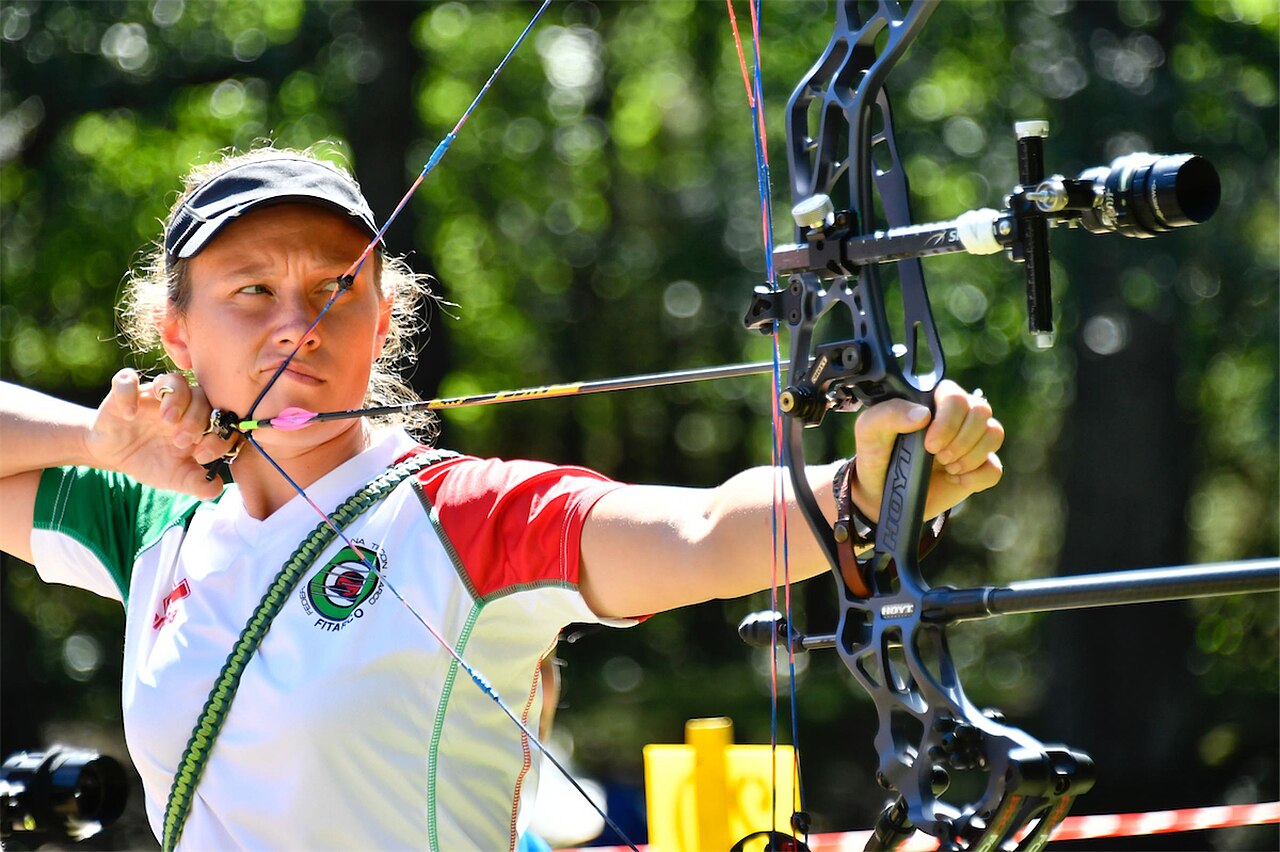
Multi-pin shooters benefit from larger peeps more than single pin shooters, because the wider sight picture is essential for getting all pins inside the peep at once. If you run a multi-pin sight with a tight target peep, you are stacking two low-light disadvantages on top of each other and wondering why your last-light shot opportunities disappeared.
The Real Hunting Scenarios
Last-Light Treestand Shot
Picture a treestand twenty feet up, a buck stepping into a shooting lane at twenty-eight yards. Light is dropping fast. You have maybe ninety seconds before legal light ends. With a multi-pin sight, you have to identify which pin matches twenty-eight yards, usually the gap between the twenty and thirty pins, pick the gap accurately, and execute. In fading light, picking the gap between two dim pins is the hard part.
With a single pin slider sight pre-set to thirty yards as a standard treestand build, the close yardage is forgiving. Aim slightly low on the chest, send the arrow. Less to think about, fewer pins to confuse, and one bright dot you can see clearly against a deer-colored background.
First-Light Ground Blind
Now flip the scenario. You are in a ground blind at dawn, shooting from a sitting position, and a doe walks in at sixteen yards. Light is improving but still mesopic. This is where multi-pin starts to win. A close, fast shot at first light rewards instant pin selection. Pre-set pins at twenty, thirty, and forty mean no dialing and no mistakes. The single pin shooter has to be confident the sight is already on the right yardage, or take precious seconds to dial it down while the deer is alert.
The honest takeaway: neither design owns low light universally. The scenario, your stand setup, and how predictable the shot distance is all matter more than the design label on the box.
Pin Color Choices for Mesopic Vision
Fiber optic color matters more than most shooters realize. In daylight, green is the easiest color for the eye to track because human cones peak around 555 nanometers. But in mesopic light, rod vision takes over, and rod sensitivity peaks closer to 500 nanometers, where blue-green fibers actually perform slightly better than pure green. Red, the color used for many top pins on multi-pin sights, is the worst color in low light because rod vision is essentially blind to it.
If you shoot a multi-pin sight, this is a real disadvantage at last light: your twenty-yard pin is often red and effectively goes invisible before the green pins do. Single pin shooters can simply choose green or blue-green at the time of purchase. Multi-pin shooters get whatever color scheme the manufacturer ships, and many default to a red top pin for daylight visibility against shaded backgrounds.
Setup Tips to Maximize Low-Light Performance
Whichever design you run, the following setup decisions stretch your usable minutes of legal shooting light.
- Use the largest pin diameter your draw length and target distance allow. .029 pins gather and emit more light than .019 or .010 pins, and the slight loss of precision is irrelevant inside thirty yards.
- Position the sight light, if legal in your state, above the housing and angled down. Avoid side mounting, which creates glare on the fiber strands.
- Re-tape your peep sight diameter for low light. A peep that works at midday may starve the sight picture at dusk.
- Keep fiber optic strands clean. Dust and skin oils dim transfer measurably over a single season of hunting.
- If you wear glasses, anti-reflective coatings dramatically improve pin contrast in low light.
- Verify the fiber housing is sealed. UV-cracked fibers and water intrusion are common low-light failure points that get worse year over year.
- Practice in the actual light conditions you will hunt in. Range time at noon does not prepare you for last-light shots.
Which Should You Choose?
If most of your bowhunting happens during the final fifteen minutes of legal light, in treestands, with deliberate shots at known or rangeable distances, a quality single pin slider has a real advantage. The cleaner sight picture and brighter dot are not theoretical, they show up in the field on the evenings that matter most.
If you hunt closer ranges with faster shot opportunities, especially out of ground blinds or in spot-and-stalk situations where pre-set pins matter and dial time would cost you the shot, multi-pin still wins, even in low light, as long as you commit to a sight light and confirm it is legal where you hunt.
For most bowhunters, the honest answer is that low-light performance is the strongest single argument for single pin sights in 2026. Everything else, like setup time, yardage range, and durability, favors whichever design fits the shooter best. But when the woods go grey and the deer steps out, fewer pins and one bright dot is the right answer more often than not.
Sources
- Archery Trade Association — industry resource for archery equipment standards and definitions
- National Field Archery Association — competition rules and equipment guidelines
- Wikipedia: Mesopic vision — overview of the human visual transition between photopic and scotopic vision relevant to low-light shooting
Browse archery bows, arrows, and accessories at the Archery Supplier shop →
