
Archery Blog
Archery Posture Guide: 7 Essential Tips for Perfect Stance
Mar
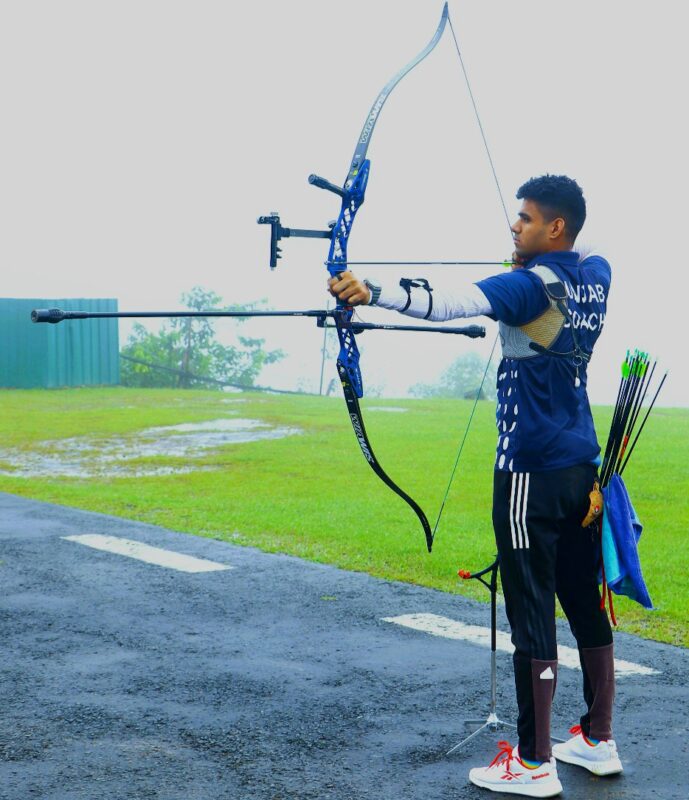
Proper archery posture is the foundation of consistent, accurate shooting that separates good archers from great ones. Whether you’re a beginner learning the basics or an experienced archer looking to refine your technique, mastering your stance and body alignment is essential for hitting your target every time.
Perfect archery posture involves three critical components: a stable stance, proper upper body alignment, and consistent arm positioning. When these elements work together, they create a repeatable shooting platform that eliminates unnecessary movement and maximizes accuracy.
What Is Proper Archery Posture?
Archery posture refers to the specific way you position your entire body while shooting a bow. This encompasses everything from how you place your feet on the ground to how you hold your head and align your shoulders. The goal is to create a stable, consistent foundation that allows for repeatable shot execution.
Good archery posture creates straight lines of force through your body, from your feet up through your torso and out through your arms. This alignment ensures that the energy from drawing the bowstring transfers efficiently into arrow flight, rather than being lost through unnecessary body movement or poor positioning.
Professional archers spend years perfecting their posture because even small deviations can significantly impact arrow placement. A proper stance provides the stability needed to execute the same shot repeatedly, which is crucial for developing muscle memory and shooting confidence.
The Foundation: Perfect Archery Stance Setup
Your archery stance begins with understanding the three main types: square, open, and closed. Each has its advantages, but most coaches recommend the open stance for beginners because it provides the best balance of stability and natural body alignment.
In an open stance, your feet are positioned so that an imaginary line drawn through your toes would point slightly past the target. This positioning allows your hips and shoulders to align naturally with the shot sequence, reducing torque and improving consistency.
The square stance places both feet perpendicular to the target line, which can feel more natural initially but often leads to string contact with your bow arm. The closed stance positions your front foot ahead of your rear foot, which can create stability issues and inconsistent shot execution.
How to Position Your Feet for Maximum Stability
Foot placement is the cornerstone of proper archery posture. Your feet should be positioned approximately shoulder-width apart, providing a stable base without being so wide that you lose mobility. Weight distribution should be even between both feet, with your weight centered over the balls of your feet rather than on your heels.
Avoid locking your knees completely straight, as this creates unnecessary tension throughout your body. Instead, maintain a slight bend in your knees to allow for natural shock absorption and stability. Think of your legs as sturdy pillars supporting the rest of your shooting form.
Your foot angle matters significantly. In an open stance, your front foot (closest to the target) should point slightly toward the target, while your rear foot points more perpendicular to the shooting line. This positioning allows your torso to rotate naturally into the shot without creating strain.
Upper Body Alignment: Torso and Shoulder Form
Proper torso alignment requires keeping your spine straight and vertical, as if a rod were running from the top of your head down through your tailbone. Your shoulders should remain level and square, avoiding any tilting or rolling that can introduce inconsistency into your shot.
One common mistake is leaning away from or into the bow. Your torso should remain perpendicular to the ground throughout the entire shot sequence. Leaning backward often indicates that your draw length is too long, while leaning forward can result from rushing the shot or inadequate strength.
Your collarbone should remain parallel to the arrow throughout the draw and aim sequence. This alignment ensures that your shoulder blades can move properly during the draw, allowing for proper back tension and consistent anchor point placement.
Bow Arm Position and Elbow Placement
The bow arm serves as your primary stabilizing platform, and its position directly affects your accuracy. Your bow arm should extend toward the target with a slight bend in the elbow to prevent hyperextension and potential injury from string contact.
Rotate your bow arm elbow downward and slightly outward to create proper clearance for the bowstring. This rotation also engages the proper muscle groups in your shoulder and back, providing additional stability throughout the shot. Avoid rolling your elbow inward, as this can cause painful string slap and inconsistent shots.
Your bow hand should grip the bow handle lightly, with pressure applied primarily through the web between your thumb and index finger. Squeezing the grip too tightly introduces unwanted torque and can cause your arrows to fly off target. Think of holding a small bird – firm enough that it won’t fly away, but gentle enough not to hurt it.
Draw Arm Mechanics and Anchor Point
Your draw arm creates the power behind every shot, but proper form is more important than raw strength. The draw should be initiated by rotating your shoulder blade toward your spine, followed by pulling your elbow straight back. This sequence engages your back muscles rather than relying solely on your arm strength.
During the draw, keep your drawing elbow in line with the arrow, pointing directly away from the target. Your forearm should remain parallel to the ground throughout the draw sequence. This alignment ensures maximum power transfer and helps prevent the common mistake of dropping your elbow during the draw.
The anchor point is where your drawing hand comes to rest against your face. For compound bow shooters, this is typically along the jawline or corner of the mouth. For recurve archers, it’s often under the chin with the string touching the nose. Consistency in your anchor point is crucial – it should feel exactly the same for every shot.
Common Archery Posture Mistakes to Avoid
One of the most frequent posture errors is collapsing the bow shoulder during the draw. This occurs when archers allow their bow shoulder to roll forward or upward, breaking the straight line between their arms. Keep your bow shoulder down and back to maintain proper alignment.
String slap on the bow arm is usually a sign of poor elbow rotation or inadequate bow arm extension. If you’re experiencing consistent string contact, check your elbow position and ensure you’re rotating it properly out of the string’s path.
Inconsistent foot positioning leads to unpredictable shot results. Many archers change their stance slightly between shots without realizing it. Mark your foot positions during practice sessions or use ground markers to ensure consistent stance setup.
Head position errors, such as tilting or canting your head to meet the string, can throw off your sight picture and consistency. Always bring the string to your face in a natural position rather than contorting your head to reach the string.
Developing proper archery posture takes time and conscious practice. Start by focusing on one element at a time rather than trying to perfect everything simultaneously. Use a mirror or have someone video your form to identify areas that need improvement. Remember that good posture becomes automatic only through repetition and consistent practice.
Master archers often return to posture basics throughout their careers, understanding that small improvements in stance and alignment can yield significant gains in accuracy. Whether you’re shooting for recreation or competition, investing time in proper posture will pay dividends in your shooting performance and enjoyment of the sport.
Sources
1. World Archery Federation. (2024). Coaching Manual: Basic Technique. worldarchery.sport
2. USA Archery. (2024). National Training System Manual. usarchery.org
3. Haywood, K., & Lewis, C. (2019). Archery: Steps to Success. Human Kinetics Publishers.
Browse archery bows, arrows, and accessories at the Archery Supplier shop →
