Archery Blog
Bowstring Wax & Maintenance | Waxing, Serving Repair & Replacement Guide
Mar
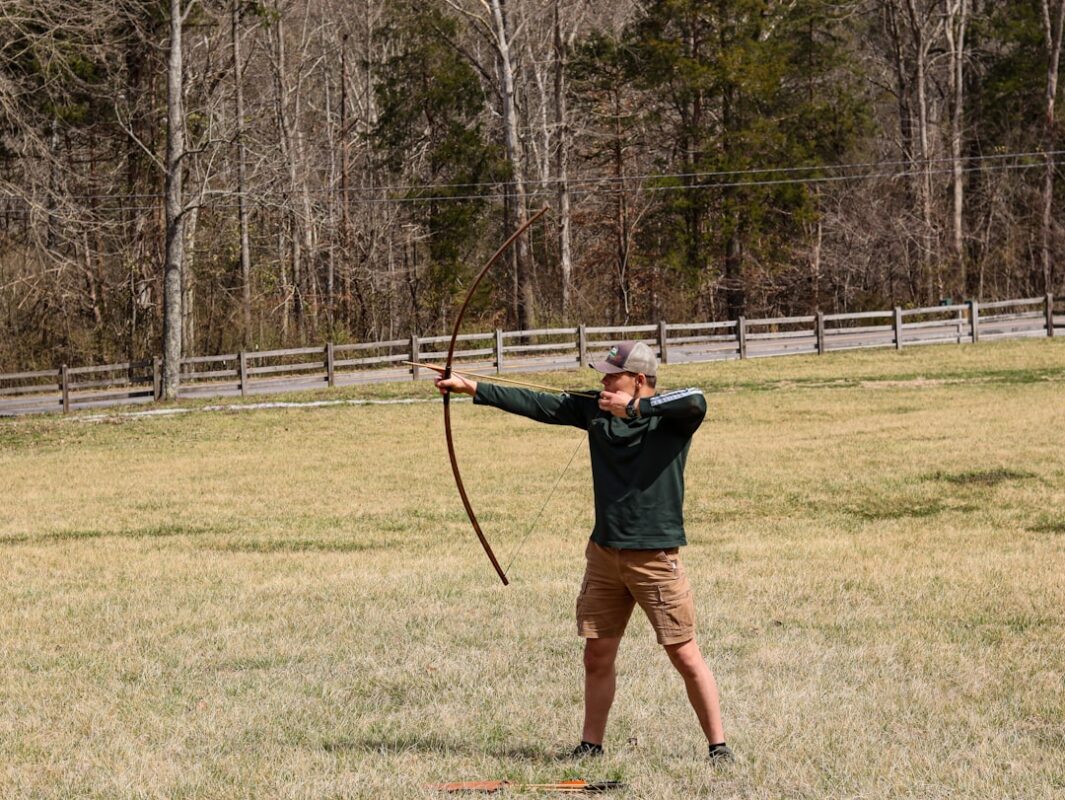
Your bowstring is the single most critical component on your bow. It stores and transfers energy with every shot, endures thousands of draw cycles, and quietly deteriorates while you focus on arrows, sights, and form. A neglected string doesn’t just hurt accuracy — it can snap mid-draw, damaging your bow and potentially injuring you.
Whether you shoot a compound, recurve, or traditional longbow, bowstring maintenance should be part of your regular archery routine. The good news is that it takes very little time and even less money. A stick of string wax, a few minutes of inspection, and basic knowledge of when to replace your string can extend its life by months and keep your shots consistent.
Why Bowstring Maintenance Matters
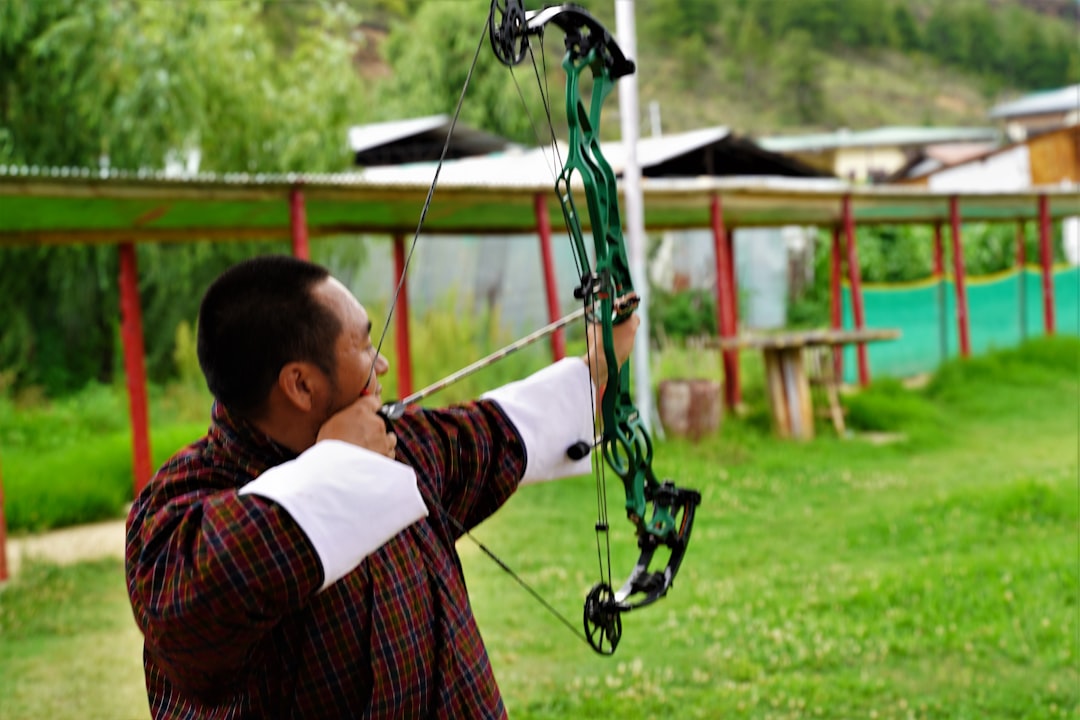
A bowstring is made of multiple strands of synthetic fiber twisted and served together. Materials like Dacron (B-50), Dyneema, and BCY 452X each have different stretch characteristics, durability profiles, and performance ceilings. Regardless of material, every bowstring degrades through the same mechanisms: friction, UV exposure, moisture absorption, and simple mechanical fatigue from repeated loading cycles.
When strands start to fray or separate, the string loses its uniform cross-section. That inconsistency creates unpredictable arrow flight, changes in nocking point position, and fluctuations in draw weight. A string that looks “mostly fine” can already be costing you two or three inches of group size at 20 yards. By the time fraying is visible to the naked eye, damage is well underway beneath the surface.
String failure during a shot is rare on well-maintained equipment, but it does happen. On a compound bow, a broken string means the limbs can violently decelerate, bending the riser or cracking limb pockets. On a recurve, a string break typically means a dry fire — all that stored energy dumps into the limbs with no arrow to absorb it. Both scenarios are expensive at best and dangerous at worst.
How to Wax Your Bowstring
Waxing is the most basic and most important maintenance step. String wax is a blend of synthetic polymers (usually silicone-based) designed to penetrate between individual strands, reducing friction and repelling moisture. It also helps hold the strands together in a tight, uniform bundle.
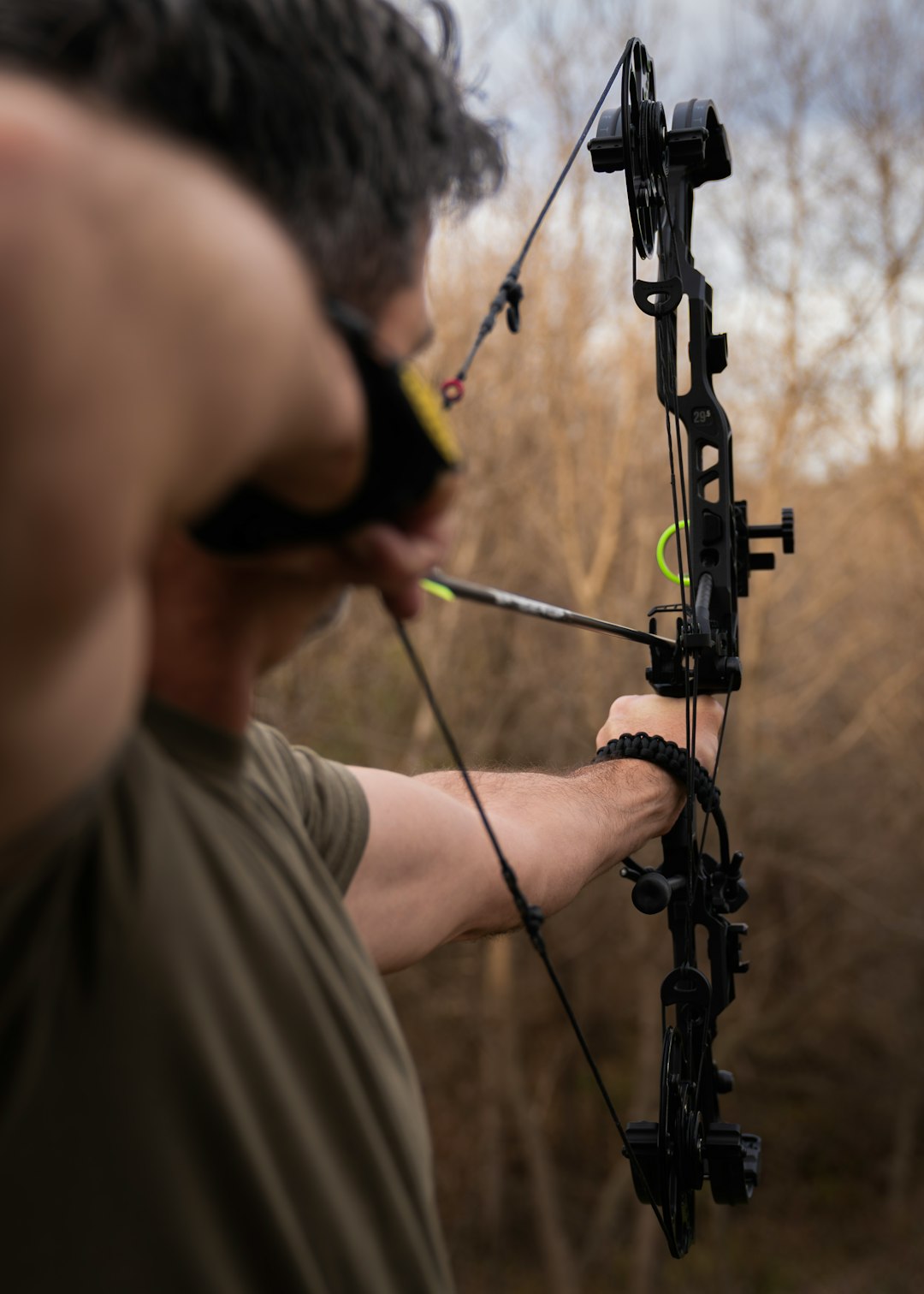
Start by running your fingers along the entire length of the string, feeling for any rough spots, fuzz, or separated strands. If the string feels dry or you can see individual fibers lifting away from the bundle, it needs wax. Apply the wax stick directly to the string, rubbing it up and down in short strokes. You want a thin, even coating — not globs sitting on the surface.
After application, work the wax into the string by pinching it between your thumb and forefinger and sliding up and down rapidly. The friction generates heat, melting the wax and allowing it to penetrate between strands. You’ll know you’ve done enough when the string has a slight sheen and feels smooth and slightly tacky to the touch.
How often should you wax? For most archers, every 100-200 shots or every two to three weeks of regular shooting is a solid baseline. If you shoot outdoors in humid or dusty conditions, bump that up to weekly. Bowhunters who spend long days in rain or snow should wax before and after every outing.
One critical rule: do not wax the serving. The served sections of your string (center serving and end servings) are wrapped with a separate thread. Wax can work its way under the serving material, causing it to slide and separate. Keep the wax on the exposed string fibers only.
Inspecting and Repairing Serving
Serving is the tightly wound thread that protects high-wear areas of the bowstring. You’ll find it in three places: the center serving (where the arrow nocks), the end loops (where the string contacts the limb tips or cams), and sometimes along the cable yoke on compound bows. Each section takes different abuse and wears at different rates.
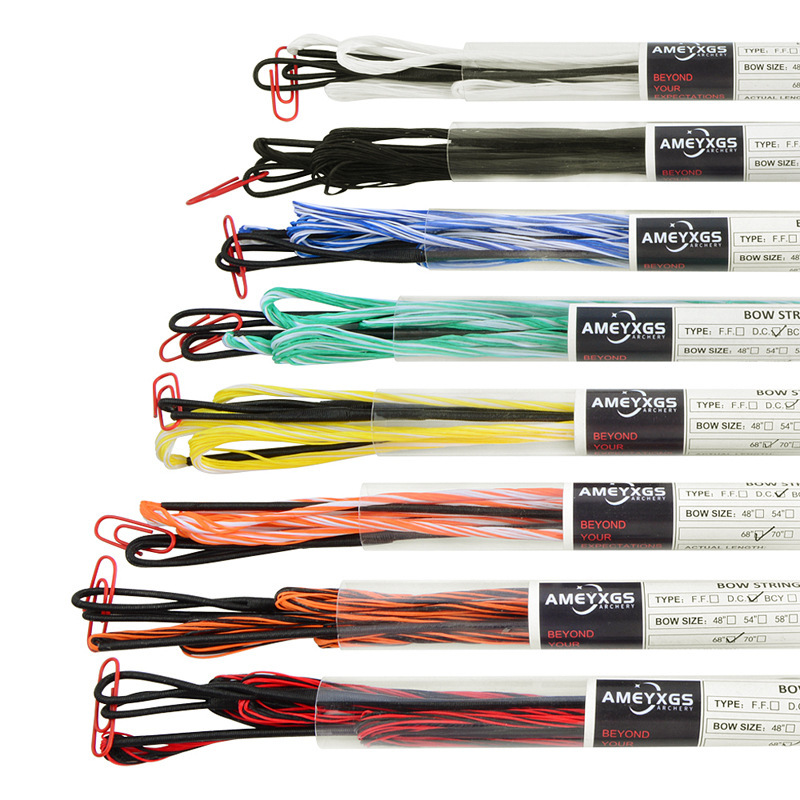
Center serving takes the most punishment because it contacts the nock and your fingers (or release aid) with every shot. Look for gaps where the serving thread has separated, spots where it bunches up, or areas where it spins freely around the string. Any of these issues affect nock fit, which directly impacts arrow flight consistency.
To check nock fit, snap an arrow onto the string and hold the bow horizontal with the arrow pointing down. The arrow should hang on the string without falling off, but a light tap on the string should release it. If the arrow falls off on its own, the serving is too thin or compressed. If you can’t easily remove the arrow, the serving is too thick or has bunched up.
Minor serving separation can sometimes be fixed with a serving jig and matching thread. However, if the serving has worn through to expose the string fibers underneath, or if it’s separated in multiple spots, it’s typically more reliable to have the entire section re-served or to replace the string altogether.
Checking Brace Height
Brace height is the distance between the deepest part of the bow’s grip (the throat) and the string. Every bow has a recommended brace height range specified by the manufacturer, and staying within that range is essential for proper performance and limb health.

For recurve archers, brace height monitoring is especially important because Dacron and other string materials stretch over time, particularly in the first few days after a new string is installed. As the string stretches, brace height decreases. A brace height that’s too low causes the string to slap the limbs harder, producing a louder shot, more vibration, and inconsistent arrow speeds.
To measure brace height, use a bow square (T-square) placed against the grip with the ruler extending to the string. Most recurve bows spec a brace height between 7.5 and 9.25 inches, though it varies by model. If your brace height has dropped below the recommended range, unstring the bow and add twists to the string. Each full twist typically raises brace height by about 1/16 to 1/8 inch. Re-string, measure again, and repeat until you’re within spec.
Compound bow archers should also monitor brace height, though it changes less frequently since the string is under constant tension. Any sudden change in brace height on a compound usually indicates a more serious problem — cable stretch, cam timing issues, or a string that’s beginning to fail.
Nocking Point Maintenance
Your nocking point — whether it’s a brass crimp-on, tied-on string loop, or D-loop — needs regular inspection. The nocking point establishes where the arrow sits on the string, and even small shifts in its position change the vertical impact point of your arrows.

Brass nocking points can loosen over time, especially if the serving underneath compresses from repeated shots. Check by trying to slide the nock point up and down the string with moderate finger pressure. If it moves, re-crimp it with nocking pliers or replace it entirely. Many archers prefer tied-on nock points using dental floss or serving thread — they’re lighter, create less string oscillation, and are easy to adjust.
Compound bow shooters using a D-loop should check the loop material for wear where the release aid clips on. The release jaw creates a specific wear point that can eventually cut through the D-loop cord. Replace the D-loop when you notice visible wear, flattening, or fraying at the contact point. A D-loop failure at full draw is startling at minimum and can result in a dry fire.
When to Replace Your Bowstring
Even with perfect maintenance, every bowstring has a finite lifespan. Knowing when to replace it prevents performance degradation and safety issues. Here are the telltale signs:
Visible fraying or broken strands. If you can see individual strands separating from the bundle, or worse, if any strands have actually broken, replace the string immediately. A bowstring is only as strong as its weakest point, and a broken strand concentrates additional stress on the remaining fibers.
Excessive fuzziness that won’t resolve with waxing. Some surface fuzz is normal, especially on new strings as loose fibers work free. But if the string looks fuzzy even right after waxing, the core fibers are deteriorating.
Serving separation in multiple areas. One spot of loose serving is repairable. Three or four spots suggest the string has stretched and compressed unevenly, and the serving can no longer maintain consistent contact.
Noticeable performance changes. If your arrow speed has dropped, your groups have opened up, or you’re hearing a different sound on release despite no other changes to your setup, the string may be the culprit. Creep (gradual stretch under load) affects timing and energy transfer.
Time-based replacement. Most string manufacturers and pro shops recommend replacement every one to two years for regular shooters, or every 2,500-3,000 shots. Competitive archers who shoot 200+ arrows per day may need fresh strings every six to eight months. Bowhunters who shoot less frequently but expose their equipment to harsh conditions should lean toward annual replacement.
🏹 Bowstrings & Accessories
Ready for a fresh string or need maintenance gear? Browse our selection:
🔗 Replacement Bowstring for Recurve Bow
🔗 Recurve Bowstring – 16-Strand Dacron
🔗 Archery Arm Guard
Storage and Environmental Protection
How you store your bow directly impacts bowstring longevity. UV radiation breaks down synthetic string fibers at the molecular level, weakening them without any visible signs until it’s too late. Never leave your bow standing in direct sunlight, whether that’s leaning against a tree during a lunch break or sitting in the back window of your truck.
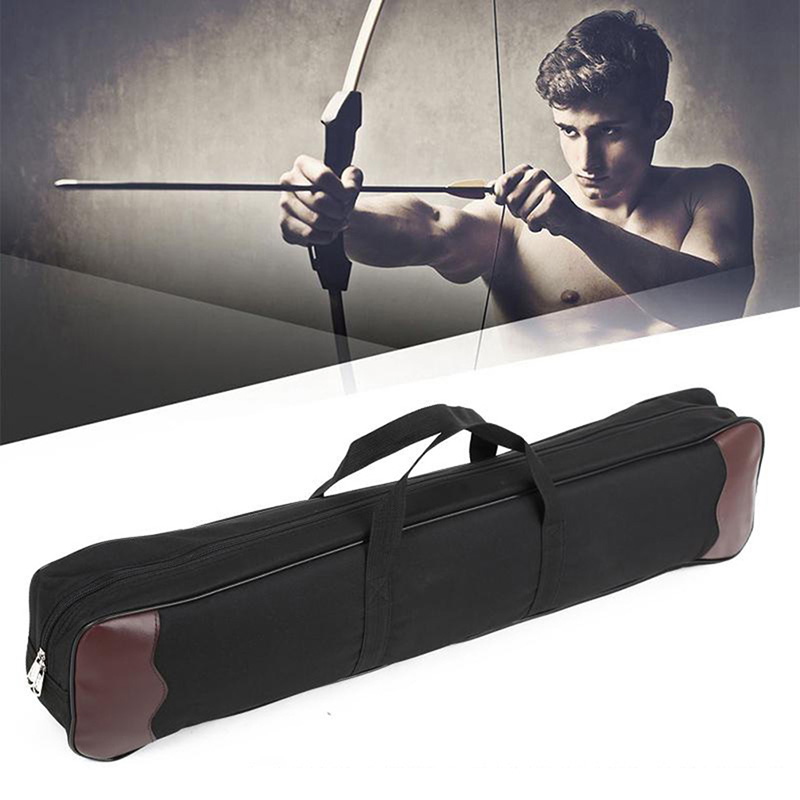
Temperature extremes are another concern. Leaving a bow in a hot car can soften string wax and cause it to migrate, leaving some sections dry while others become over-saturated. Extreme cold makes string materials more brittle and less elastic. Store your bow in a climate-controlled environment whenever possible, and always transport it in a padded case.
Recurve archers should unstring their bows when not shooting for extended periods. Leaving a recurve strung puts constant stress on both the limbs and the string, accelerating stretch and fatigue. Use a bow stringer every time — stepping on the string or using the push-pull method risks twisting limbs and unevenly loading the string.
Compound bows stay strung by design, but they still benefit from proper case storage. Keep your bow in a hard case for travel and a padded soft case for daily storage. Make sure nothing in the case can rub against or put pressure on the string or cables.
Building a Maintenance Routine
The most effective bowstring maintenance is the kind you actually do consistently. Here’s a practical schedule that covers all the bases without eating into your shooting time:
Before every session: Run your fingers along the string and cables. Feel for fuzz, rough spots, or separated strands. Check that your nocking point hasn’t shifted. Spin the string between your fingers — it should feel smooth and slightly waxy, not dry or gritty.
Every 100-200 shots: Apply string wax to all exposed (un-served) sections. Work it in with finger friction. Inspect the serving at the center, end loops, and cable yoke for gaps or bunching.
Monthly: Check brace height with a bow square and compare to your bow’s specifications. Inspect D-loop or nocking points for wear. Look at the string under bright light, rotating it to check all sides for fraying or broken strands.
Annually: Have a pro shop inspect your string and cables. They can check timing, cam synchronization (compound), and overall string condition with experienced eyes. Even if you maintain your own gear, a yearly professional check catches things you might miss.
Keep a small maintenance kit in your bow case: a stick of quality string wax, a bow square, nocking pliers, spare nock points or D-loop material, and a small flashlight for close inspection. Having everything on hand means you’ll actually do it instead of putting it off until next time.
🏹 Protect Your Gear
Quality accessories extend the life of your bow and string:
🔗 Three-Finger Archery Glove
🔗 Recurve Bow Carry Bag
🔗 Archery Arm Guard
Shop All Archery Accessories →
String Material Differences
Not all bowstrings are created equal, and the material affects both performance and maintenance requirements:
Dacron (B-50) is the traditional choice for recurve bows and longbows. It stretches more than modern materials, which actually benefits traditional bows by absorbing shock and reducing stress on limbs. Dacron strings are forgiving, affordable, and work with any bow designed for them. The downside is faster stretch means more frequent brace height adjustments.
Dyneema (Fast Flight, 8125) is a high-performance material used on modern recurve bows with reinforced limb tips. It stretches very little, transfers energy more efficiently, and produces faster arrow speeds. However, it’s not suitable for bows with non-reinforced tips — the lack of stretch concentrates force on the limb ends and can cause cracking.
BCY 452X and similar blends combine Dyneema with Vectran to get the best of both worlds: minimal creep, good speed, and reasonable stretch absorption. These are the standard on most modern compound bows. They require consistent waxing because the blended fibers can separate more easily than single-material strings if the wax coating breaks down.
Regardless of material, the maintenance principles are the same: wax regularly, inspect often, protect from elements, and replace before failure. Higher-performance materials simply give you less margin for neglect.
Watch: Bowstring Maintenance Walkthrough
This video from Lancaster Archery Supply walks through the complete bowstring maintenance process, from cleaning to waxing to serving inspection:
A few minutes of regular maintenance saves you from unexpected string failures, costly bow repairs, and the frustration of unexplained accuracy loss. Your bowstring works hard every time you draw. Give it the attention it deserves, and it will give you consistent performance in return.
