
Archery Blog
Best Beginner Bow | How to Choose Your First Bow Buying Guide
Feb
Choosing your first bow is an exciting milestone in your archery journey. With so many options available—recurve, compound, longbow—it can feel overwhelming. This guide breaks down everything you need to know to make the right choice for your goals, budget, and shooting style.
Understanding the Main Bow Types
Before visiting a shop or browsing online, you need to understand the fundamental differences between bow types. Each has distinct characteristics that suit different archers and purposes.

Recurve Bows
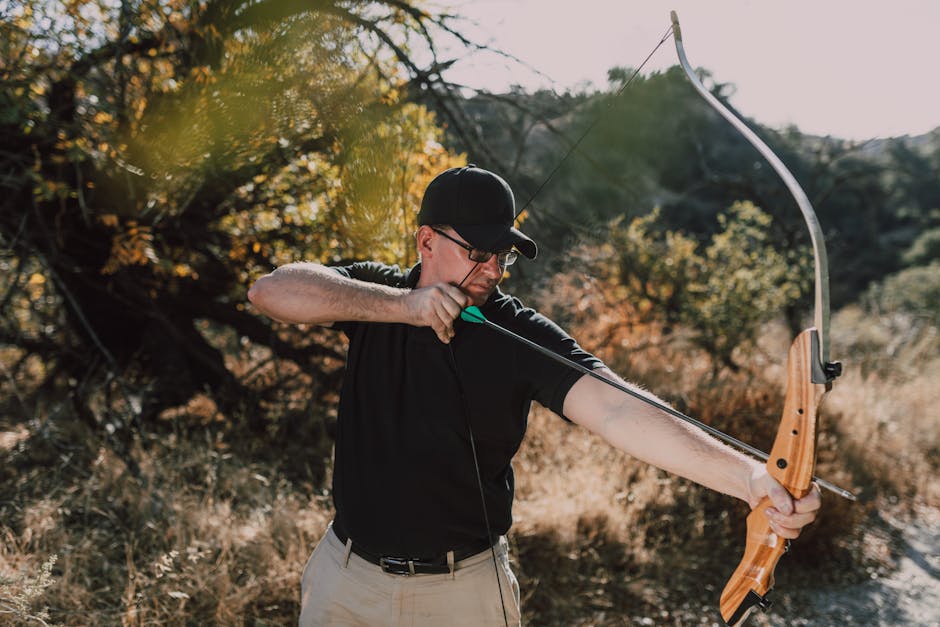
Recurve bows feature limbs that curve away from the archer at the tips, giving them their distinctive shape. This design stores more energy than a straight-limbed bow, delivering more power with less physical effort. Recurves are the only bow type used in Olympic archery, making them popular for target shooting and competition.
For beginners, takedown recurve bows offer excellent value. The limbs detach from the riser, making transport easy and allowing you to upgrade limbs as your strength increases. Most archery coaches recommend starting with a recurve to develop proper form before moving to other bow types.
Compound Bows
Compound bows use a system of cables and cams (pulleys) that provide “let-off”—reducing the holding weight at full draw to a fraction of the peak draw weight. This mechanical advantage allows archers to hold longer and aim more precisely. Compound bows dominate hunting and 3D archery competitions.
While compound bows offer technological advantages, they require more initial setup and tuning. They’re also typically more expensive than entry-level recurves. Consider a compound if you’re primarily interested in hunting or if physical limitations make holding a recurve difficult.
Longbows
The longbow is archery’s most traditional form—a simple, elegant D-shaped bow without the recurve’s curved tips or the compound’s mechanical systems. Longbows appeal to archers seeking a connection to archery’s heritage and those who enjoy the challenge of shooting without modern aids.

Determining the Right Draw Weight
Draw weight—measured in pounds—indicates how much force is required to pull the bowstring to full draw. Choosing appropriate draw weight is crucial for developing good form and avoiding injury.
For adult beginners, recommended starting weights are:
- Small-framed adults: 20-25 pounds
- Medium-framed adults: 25-30 pounds
- Larger/stronger adults: 30-35 pounds
Resist the temptation to start heavy. A bow that’s too strong forces you to compensate with bad habits that become difficult to correct later. You can always upgrade limbs (on a takedown recurve) or adjust weight (on a compound) as you develop strength and technique.
Finding Your Draw Length
Draw length affects everything from arrow selection to bow fit. To estimate your draw length, stand with arms extended to your sides and measure your wingspan fingertip to fingertip. Divide by 2.5 for your approximate draw length in inches.
For recurve bows, draw length is less critical since there’s no fixed “wall.” However, arrow length must match your draw. Compound bows must be set to your specific draw length for proper function—another reason to visit a pro shop for your first compound purchase.
Budget Considerations
A complete archery setup includes more than just the bow. Budget for:
- Arrows (6-12 to start)
- Arm guard
- Finger tab or glove (for recurve/longbow)
- Quiver
- Target
Entry-level recurve packages start around $100-150 and include basic accessories. Quality beginner compound setups run $300-500. While it’s tempting to buy the cheapest option, investing slightly more in a reputable brand ensures better performance and longevity.
Where to Buy
Local archery pro shops offer invaluable expertise—they’ll help you test bows, measure your draw length, and set up your equipment properly. Many also offer lessons and range time. Online retailers often have lower prices but lack the hands-on guidance beginners need.
Consider buying your first bow from a pro shop, then supplementing with online purchases for accessories and arrows once you know your specifications.
Making Your Decision
The “best” first bow is one that fits your body, matches your goals, and stays within your budget. Most importantly, choose a bow you’ll actually use. A modest recurve that you shoot weekly will develop your skills faster than an expensive compound collecting dust in the closet.
Take your time, try different bows if possible, and don’t hesitate to ask experienced archers for advice. Welcome to the archery community—your first bow is just the beginning of an incredibly rewarding journey.
Browse archery bows, arrows, and accessories at the Archery Supplier shop →
Shop on Amazon
Compound Bows on Amazon →
As an Amazon Associate we earn from qualifying purchases.
Shop on eBay
Archery Equipment on eBay →
We may earn a commission when you shop through our eBay links.
