Archery Blog
Compound Bow Release Aid: 5 Types and Best Fits
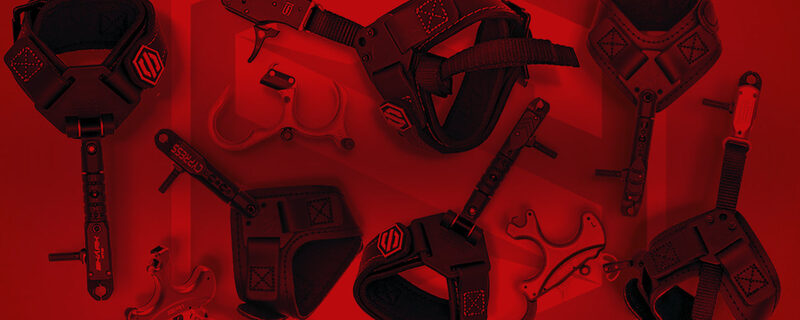
Apr
A compound bow release aid does more than fire the shot. It controls how cleanly the string leaves your hand, how repeatable your anchor feels, and how much confidence you have when the pin settles. If your groups open up for no obvious reason, or if you feel yourself punching the trigger at the worst moment, the release is often the weak link. Choosing the right release aid can tighten groups faster than most accessory swaps because it affects the one thing every compound shooter has to repeat, the execution.
This guide breaks down the main release styles, who they suit best, how hunters and target shooters usually choose between them, and what to adjust before blaming your bow tune. The goal is simple, help you pick a release that fits your hand, your anchor, and your shooting style instead of buying blind.

Why a compound bow release aid matters more than most shooters think
Compound shooters usually talk first about draw weight, speed, sights, stabilizers, and arrow setup. All of those matter, but your release aid is the last piece touching the system before the shot breaks. A sloppy release can add torque, encourage target panic, and change your anchor enough to move impact even when the bow is tuned well.
A good release aid should do four things consistently. First, it should let you settle into the same anchor without hunting for the string. Second, it should break cleanly without making you slap at the shot. Third, it should fit your hand or wrist well enough that you can shoot relaxed. Fourth, it should match what you actually do with the bow. A treestand hunter wearing gloves has different needs than a 3D shooter or a target archer chasing clean execution.
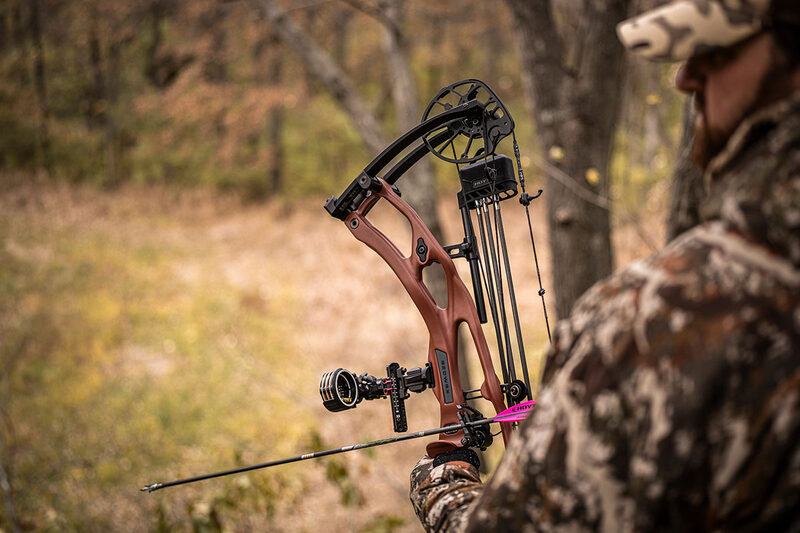
That is why the release aid conversation is really about consistency. If the release length is wrong, your peep picture changes. If the head rotates awkwardly, your anchor drifts. If the trigger is too hot, you start anticipating. If it is too heavy, you start yanking. When shooters say a release “just feels right,” they usually mean it helps them execute without extra tension.
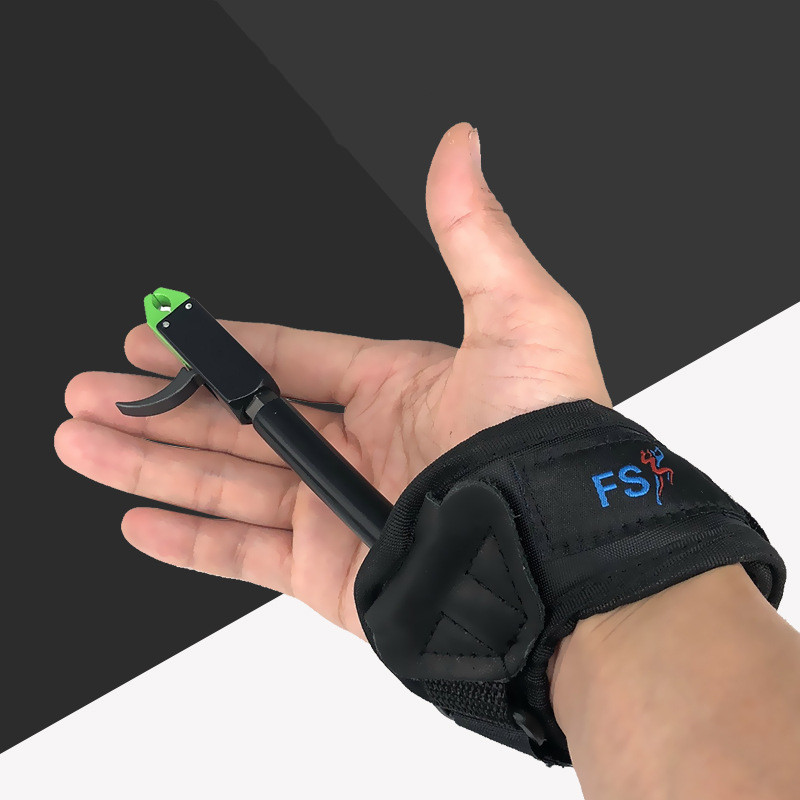
5 compound bow release aid types and what each one does best
There is no single best compound bow release aid for everyone, but there is usually a best starting point for your goals. The big categories all solve the shot in slightly different ways.
1. Wrist strap index-finger releases
This is the classic hunting option. A wrist strap release stays attached, is fast to get on target, and feels familiar to shooters coming from firearms because the trigger sits under the index finger. It is popular with bowhunters because it is hard to drop, easy to use in cold weather, and usually forgiving under pressure. If you want a practical hunting-first setup, this is where many shooters begin.
2. Thumb button releases
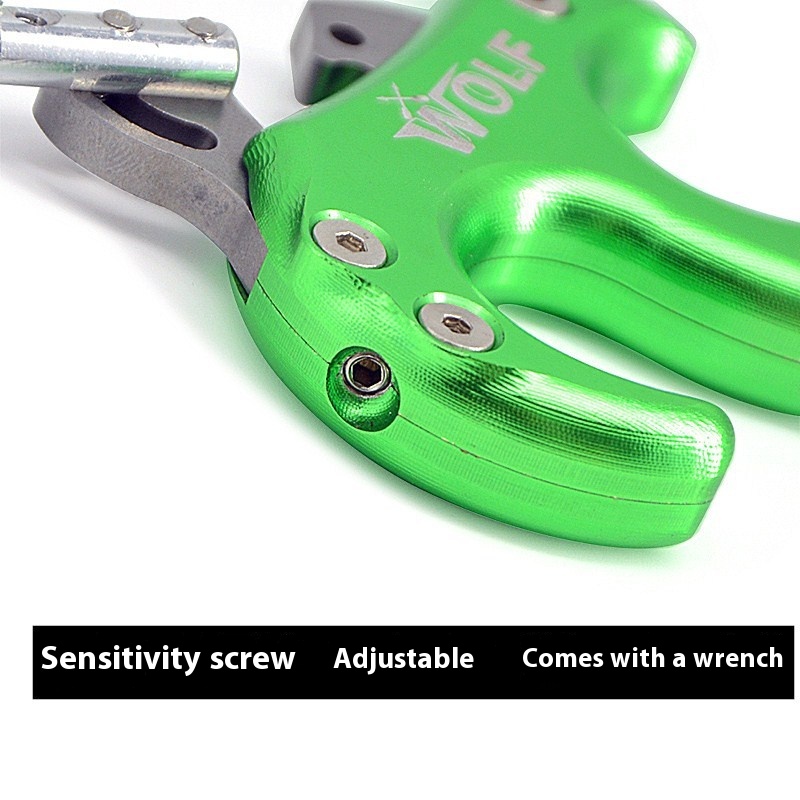
Thumb releases are now common in both hunting and target circles. They tend to give a cleaner anchor because the handle sits naturally in the hand, and many shooters find them easier to execute with back tension than a wrist strap trigger. They also make it easier to fine-tune trigger travel and barrel placement. If you want a more refined feel without jumping straight to a hinge, thumb buttons are often the sweet spot.
3. Hinge releases
A hinge release fires through rotation instead of a trigger press. Done right, it teaches surprise execution and exposes target-panic habits fast. Done wrong, it can feel scary. Hinge releases are excellent training tools because they punish punching and reward a steady pull through the shot.
4. Resistance-activated releases
These fire when you increase pulling pressure past a set threshold. They are common among target shooters and serious form nerds because they make it difficult to cheat the shot. They are not the easiest hunting choice, but they are outstanding for learning strong follow-through.
5. Hook style variations and head designs
Even within the main categories, details matter. Some heads are open-hook for faster D-loop loading. Some are enclosed for security. Some swivel more freely than others. Some handles favor three fingers, others four. A lot of “this release is terrible” opinions are really just fit problems.

If you shoot mostly from a stand or blind, a wrist strap or hunting-friendly thumb button usually makes the most sense. If you are fighting anticipation or trying to sharpen execution, adding hinge or resistance training sessions can change everything.
Thumb release vs wrist strap release
This is the comparison most compound shooters actually care about. A wrist strap release wins on simplicity, security, and hunting convenience. It is clipped to you, fast to deploy, and easy to manage when adrenaline spikes. A thumb release wins on feel, anchor control, and often shot quality once you get used to it.
Wrist strap releases tend to favor shooters who want a short learning curve. They also work well for people who like a longer draw-hand connection and a very direct trigger feel. The downside is that many shooters start punching them. Thumb releases can reduce that habit because they encourage you to engage the shot with tension instead of stabbing the trigger, but only if you set them up correctly.
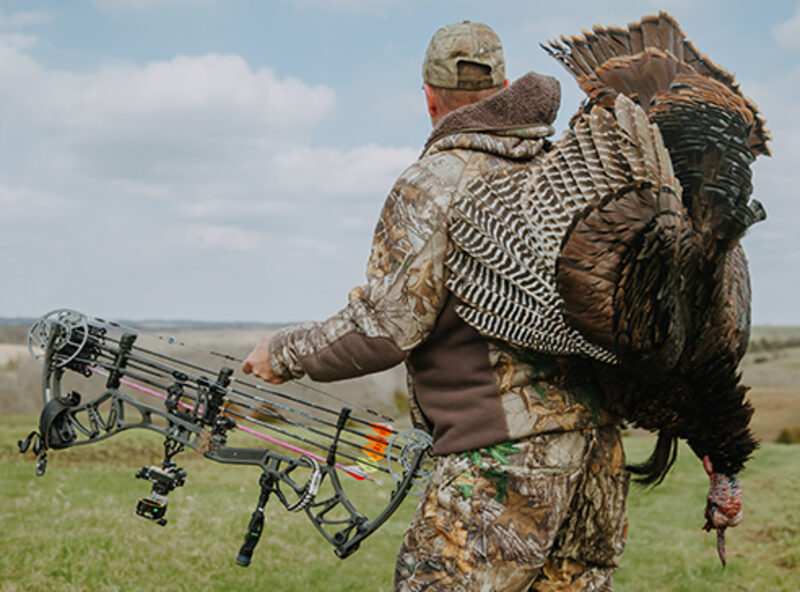
If you are a hunter who wants maximum convenience, stick with a quality wrist strap. If you already shoot decent groups but want a cleaner surprise shot and a stronger anchor, a thumb release is often the next move. Many serious compound shooters keep both, one for hunting conditions and one for practice or 3D work.
How to choose the right compound bow release aid
Start with use case. If the bow is mainly for whitetails, turkey, and general bowhunting, prioritize security, speed, and glove-friendly handling. If the bow is mainly for range time, leagues, or 3D, prioritize repeatability and shot execution. That first decision narrows the field fast.
Next, look at anchor position. Some shooters like the draw hand tucked hard against the jaw with a short connection to the D-loop. Others prefer a slightly longer feel. Release length changes peep alignment and face pressure, so it is not a minor detail. If a release makes you crane your head or float behind the peep, it is wrong even if the internet loves it.
Then check handle shape and trigger adjustability. A handle that fills your fingers naturally reduces tension. A trigger that is too light creates panic. A trigger that is too heavy makes you collapse or yank. You want a setting that feels deliberate but not scary. That sweet spot is individual.
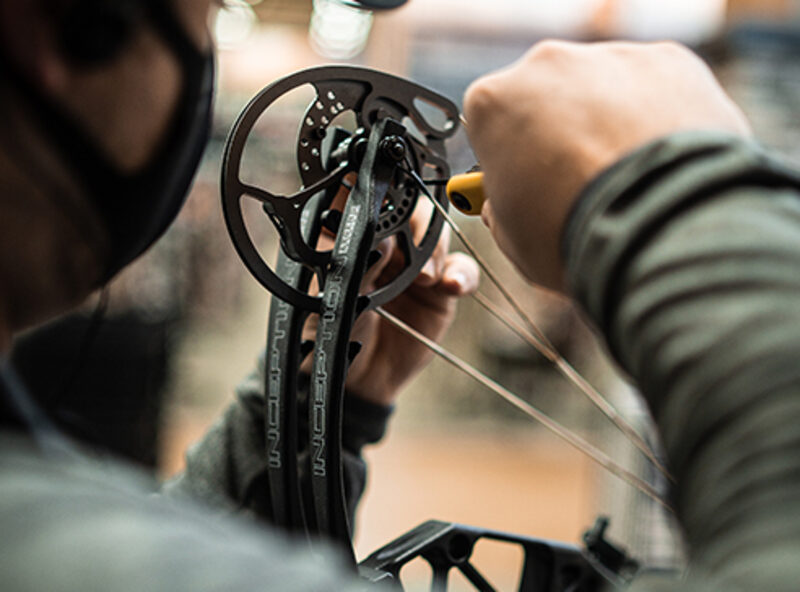
Finally, think about loading style. Open-hook designs are fast and popular with hunters. Enclosed jaws feel secure and predictable. Neither is automatically better. The right answer is the one you can clip onto a D-loop cleanly under real conditions.
That is also why it helps to compare release options from trusted archery brands and retailers before you buy. Looking at current offerings from Scott Archery, TRU Ball, and Lancaster Archery Supply gives you a clear picture of how modern hunting and target release aids are actually positioned.
Mistakes that make a good release aid feel bad
The most common mistake is choosing style before fit. A shooter reads that a hinge cures target panic, buys one, then discovers they hate the handle and never build confidence with it. Another buys a thumb button because pros use them, but the release is too long and now the peep never settles comfortably.
The second mistake is ignoring the D-loop and anchor relationship. A release aid is part of a system. If your loop is too long, your reference points drift. If it is too short, you crowd your face. Before blaming the release, check how it sits at full draw.
The third mistake is practicing bad execution. A thumb release is not magic if you still smash it. A wrist strap is not the enemy if you learn to pull through it correctly. Good form still matters more than the catalog label.
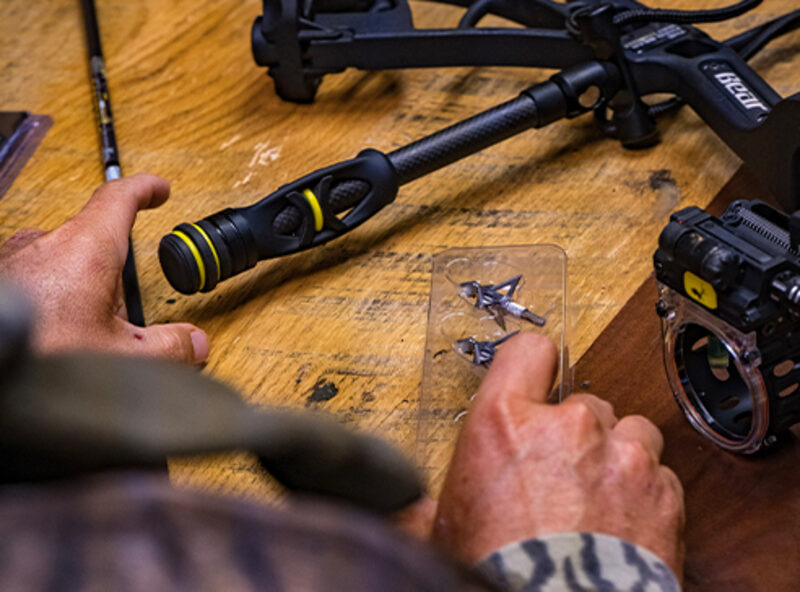
The fourth mistake is not matching release style to the rest of the bow setup. If you are adjusting draw length, peep height, and anchor because you changed releases, using a digital bow scale and carefully checking your setup can save a lot of confusion. Consistency in setup helps you judge the release honestly instead of mixing several variables at once.
A simple fit check before you buy
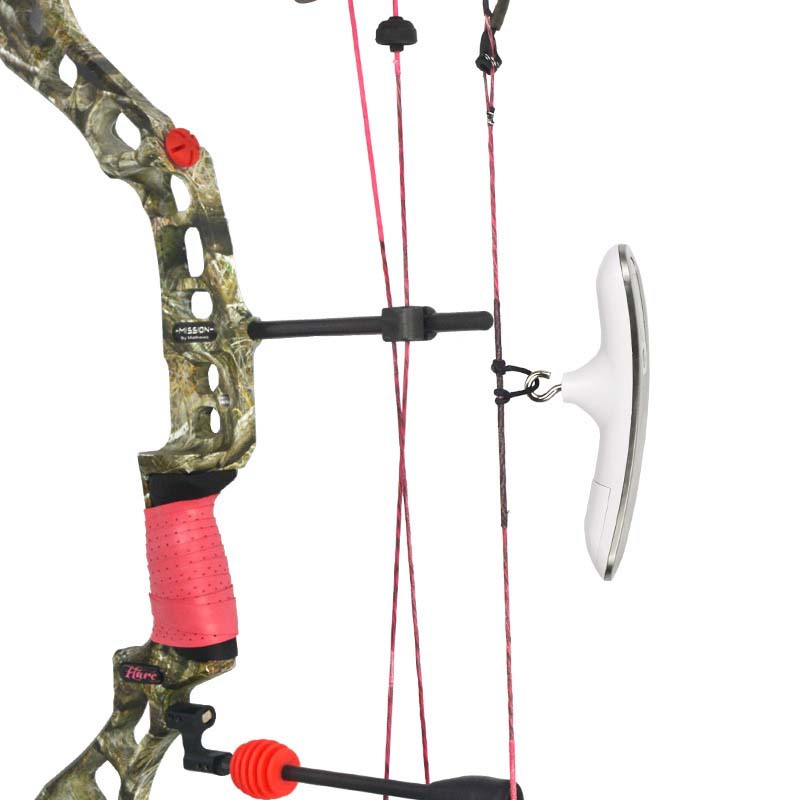
Ask yourself five questions. Can I reach anchor naturally with this release? Can I see clearly through the peep without moving my head? Can I fire the shot without punching? Can I clip in easily under realistic conditions? Can I shoot a full session without my hand or wrist feeling awkward? If the answer to two or more is no, keep looking.

For most bowhunters, the safest recommendation is a quality wrist strap release or a hunting-oriented thumb button with sensible trigger tension. For shooters trying to clean up execution, adding hinge or resistance practice is a smart move even if you hunt with something else. That mix gives you both practical field handling and better shot discipline.
If you already have your arrow rest and bow tune sorted, a better release aid can be the upgrade that finally makes the whole setup feel calm instead of rushed. And if you are still dialing in the rest of your rig, our guides on Whisker Biscuit vs. drop away rests, compound bow stabilizer setup, and bow sight adjustment pair well with this next step.
A compound bow release aid should make your shot feel more repeatable, not more complicated. Pick the style that fits your real use, set it up carefully, and give yourself enough reps to judge it honestly. The best release is the one that helps you execute cleanly when the moment matters.
Sources
- Scott Archery Releases – current release lineup and release-style references.
- TRU Ball Releases – modern release aid categories and product-positioning examples.
- Lancaster Archery Supply Bow Release Aids – broad retailer overview of thumb, wrist, hinge, and resistance styles.
- Mathews Bows – compound bow platform references used for setup context.
- Bear Archery Compound Bows – compound bow references and supporting imagery.
- Elite Archery Bows – compound bow references and supporting imagery.
