Archery Blog
Turkey Bow Hunting Guide | Shot Placement, Broadheads & Spring Setup Tips

Mar
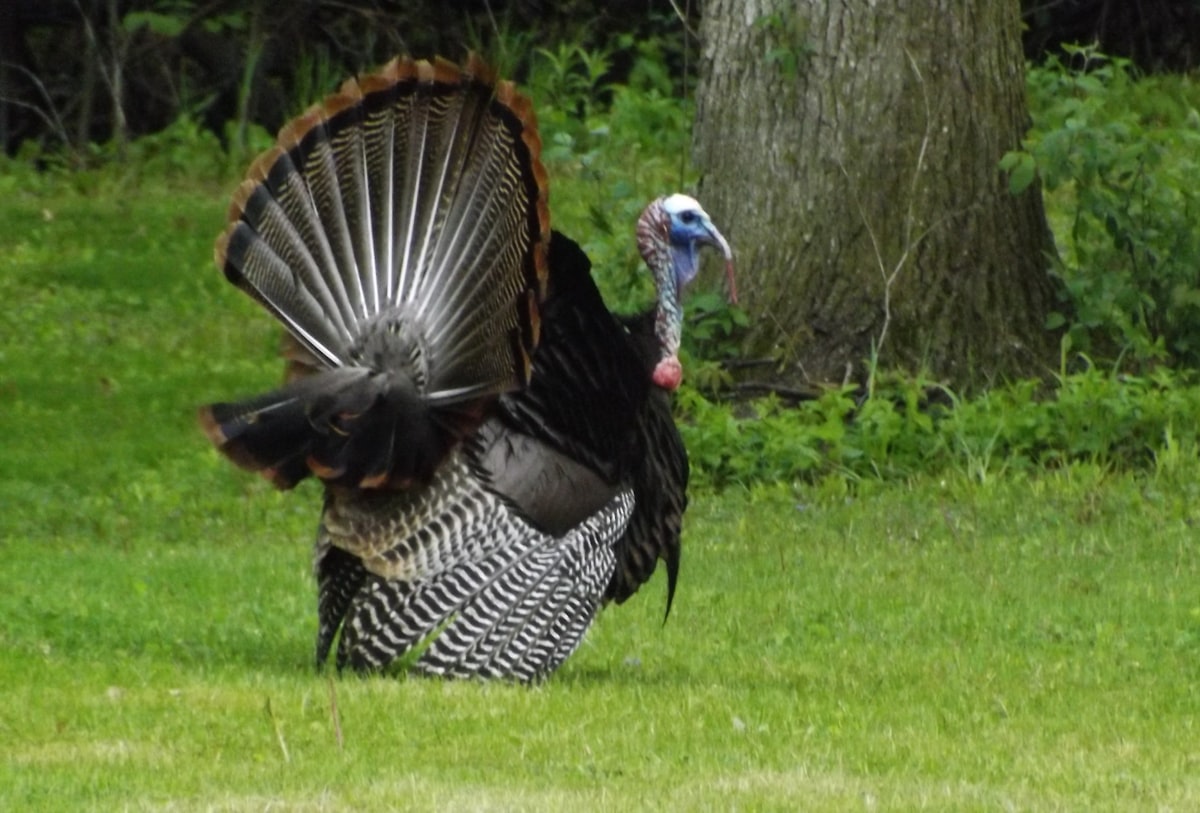
Spring turkey season is one of the most electrifying experiences a bowhunter can chase. There is nothing quite like hearing a tom rattle off a gobble at first light, working him into range with a few soft yelps, and drawing your compound bow while he struts at 18 yards. But turkeys are not deer. They are smaller, faster, wrapped in layers of feathers that can deflect poorly placed arrows, and their vital zone is about the size of a softball. If you want to bowhunt turkeys this spring and actually punch your tag, you need a specific game plan built around the right broadheads, precise shot placement, and a ground-level setup designed for close encounters.
This guide covers everything you need to stack the odds in your favor — from choosing mechanical or fixed-blade broadheads for gobblers, to understanding exactly where to aim at a strutting, walking, or facing-away bird, to rigging a ground blind that keeps you invisible at point-blank range.
Why Bowhunting Turkeys Is a Different Game
Shotgunners aim at the head and neck, relying on a spreading pattern of pellets to anchor a bird. Bowhunters do not have that luxury. A single arrow must hit a tiny vital area packed between heavy feathers, a dense breast plate, and constantly moving legs. Add in the fact that turkeys have incredible eyesight — roughly three times sharper than a human’s — and you understand why drawing a compound bow undetected is half the battle.
Spring gobblers are also unpredictable. A tom can go from full strut, fanned out and stationary, to alert and walking in less than a second. You cannot afford to wait for the “perfect” shot the way you might with a whitetail standing broadside at 30 yards. Instead, you must recognize multiple shooting angles and know where the vitals sit from each one.
Choosing Broadheads for Spring Gobblers
Broadhead selection is the single most debated topic in turkey bowhunting circles, and for good reason. The wrong broadhead can sail through a gobbler and leave a tiny wound channel that does not produce enough hemorrhaging for a quick, ethical recovery. The right one creates a massive cutting diameter that drops a bird within sight.
Mechanical (Expandable) Broadheads
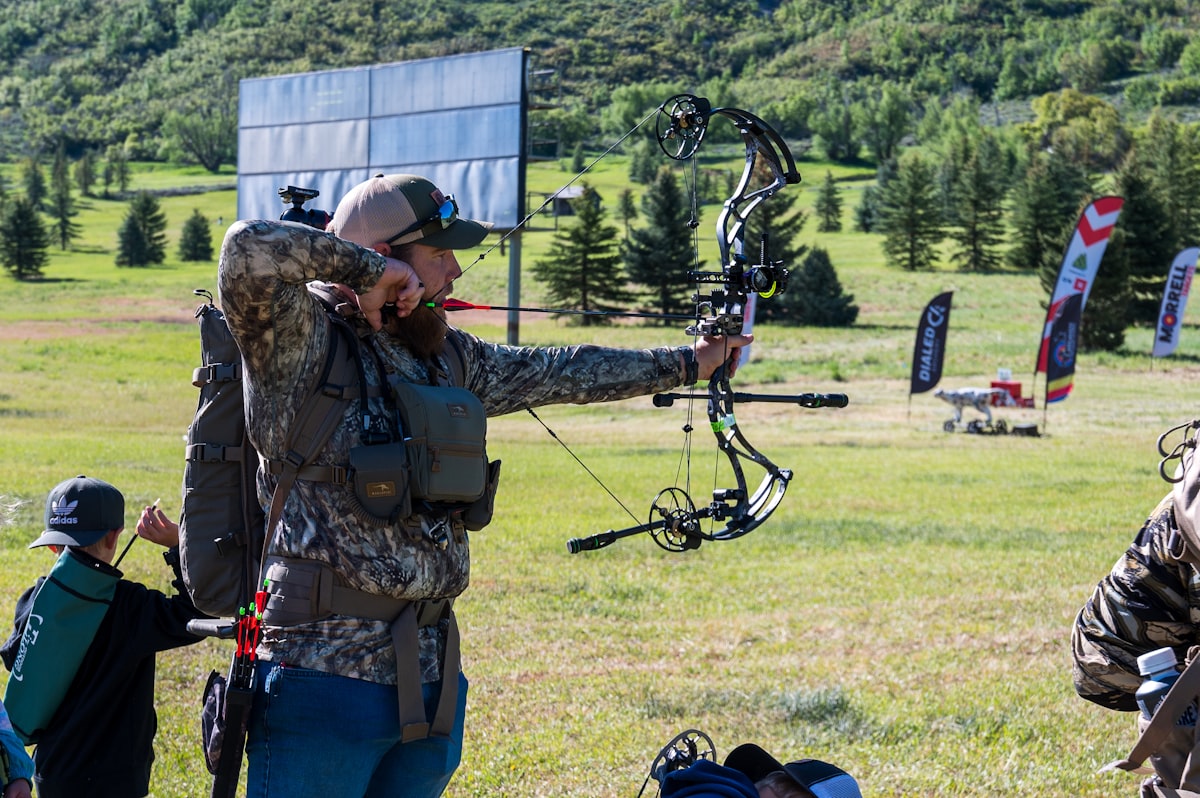
Most experienced turkey bowhunters recommend a large-cutting-diameter mechanical broadhead. Models with a 2-inch or wider cutting diameter are ideal because they create the maximum wound channel through a relatively thin target. Popular choices include the Rage Hypodermic NC (2-inch cut), the Swhacker Levi Morgan (2.25-inch cut), and the NAP Spitfire Maxx (1.75-inch cut with three blades). The wider the cut, the more forgiving your shot placement becomes.
Mechanicals fly like field points, which matters when you are shooting at 15 to 25 yards from a ground blind. You need your broadhead to hit exactly where your sight pin is, and expandable heads deliver that consistency.
Fixed-Blade Broadheads
Fixed-blade heads are tougher and have no moving parts to fail. However, most fixed blades max out at around 1.25 inches of cutting diameter. On a deer, that is more than enough. On a turkey, where the vital window is already small, you lose a lot of margin for error. If you prefer fixed blades, look for wide-cut models like the Muzzy Trocar HB (1.13 inches, three-blade) or the G5 Montec (1.125 inches). Pair them with a turkey-specific broadhead collar or guillotine head for head/neck shots if your state allows it.
Hybrid and Specialty Turkey Heads
Hybrid broadheads combine a fixed main blade with deployable secondary blades for additional cutting surface. The Dead Ringer Trauma (2.5-inch cut) is built specifically for turkeys and combines devastating wound channels with reliable deployment. Guillotine-style heads like the Arrowdynamic Gobbler Guillotine target the neck and head exclusively, removing the entire head for an instant kill. These are specialty tools, though — they require dead-accurate aim and most hunters keep them as a secondary option.
Shot Placement: Where to Aim on a Turkey
Shot placement on a turkey changes dramatically depending on the bird’s posture and angle. Unlike deer hunting, where broadside is almost always the goal, turkey bowhunting requires you to read the bird’s body language and adjust in real time.
Broadside (Walking or Standing)
When a turkey is standing upright or walking broadside, the vital area sits at the wing butt — right where the wing meets the body. This is roughly where the heart and lungs are located. Aim at the crease of the wing, about one-third up from the belly. A well-placed arrow here will hit the heart, lungs, or both, and the bird will typically go down within 40 to 60 yards.
Facing Away (The Best Shot)
Many veteran turkey bowhunters consider the facing-away shot the highest-percentage opportunity. When a gobbler is walking directly away from you, aim at the base of the fan — right above the tail feathers where the spine meets the body. An arrow here breaks the spine and anchors the bird immediately. It also threads between the dense breast feathers and avoids the thick breast plate that can cause deflection on frontal shots.
Strutting (Full Fan Display)
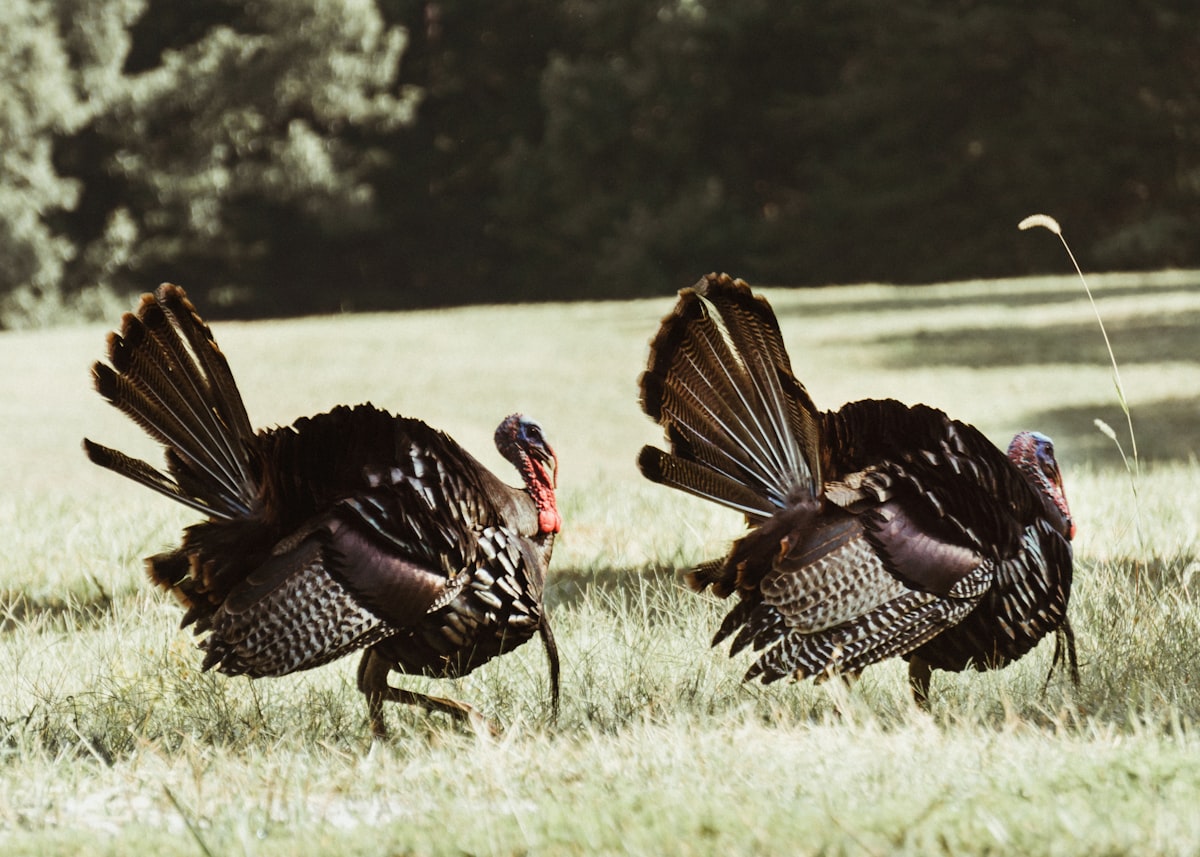
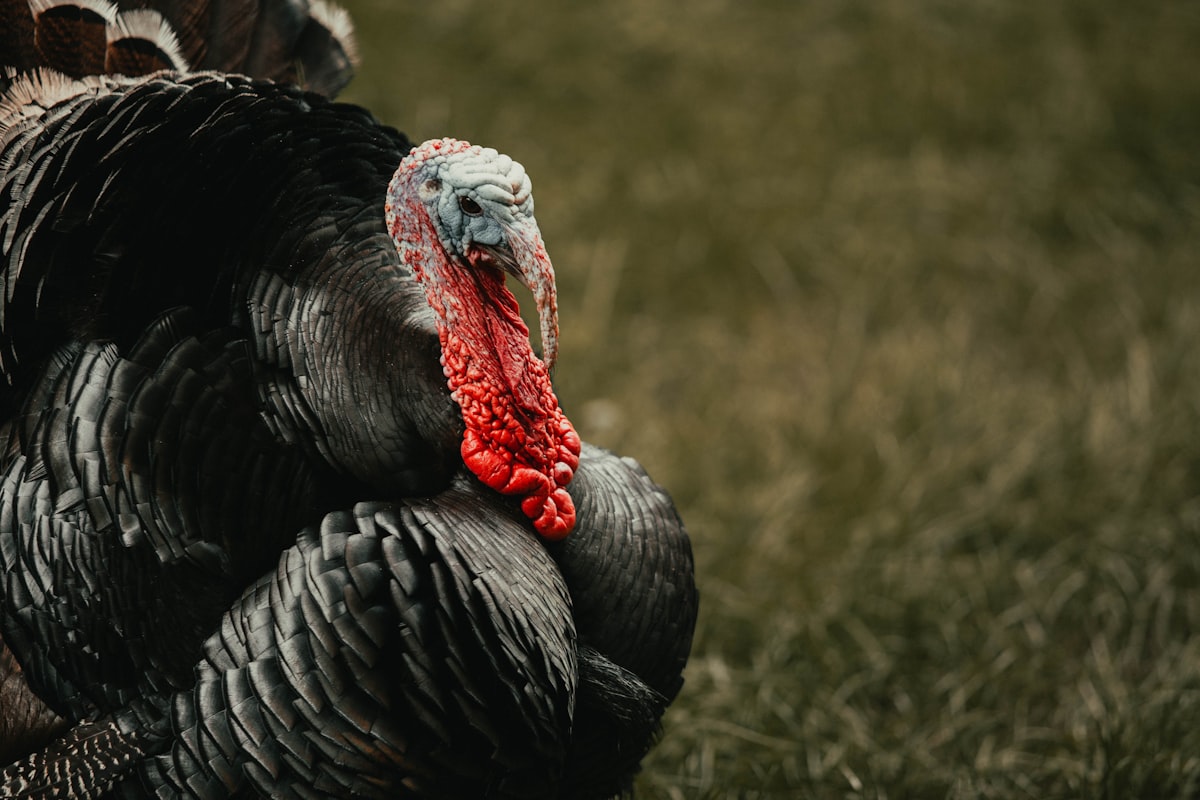
A strutting gobbler looks enormous, but most of that size is feathers and air. The actual body is compressed and angled downward. The vital zone shifts, and the breast plate is now directly facing you — the worst surface for arrow penetration. If a gobbler is in full strut and facing you, do not shoot. Wait for him to break strut and stand upright, or wait until he turns broadside or faces away. If he is in full strut and broadside, aim at the spot where the wing butt meets the body, but slightly higher than you would on a standing bird to account for the compressed posture.
Head and Neck Shots
Some bowhunters use guillotine-style broadheads designed to decapitate a turkey. This is a high-risk, high-reward play. A clean head shot drops the bird instantly with zero meat damage. But the neck is only about the diameter of a golf ball, and it moves constantly. Unless you are shooting at 10 yards or less from a stable rest inside a blind, head shots are not recommended for most bowhunters.
Compound Bow Setup for Turkey Season
Your deer hunting setup will work for turkeys, but a few tweaks make a significant difference in performance and concealment.
Draw Weight
You do not need heavy draw weight for turkeys. In fact, lower poundage can be an advantage. A turkey’s body is far less dense than a deer’s, and you want your broadhead to open fully without blowing through the bird so fast that it creates a small wound channel. Most bowhunters dial their compound bow down to 50 to 55 pounds for turkey season. This also makes it easier to hold at full draw inside a blind while waiting for the perfect angle.
Arrow Selection
Use the same arrows you shoot during target practice so your point of impact stays consistent. Standard carbon arrows in the 350 to 400 spine range work well for turkey setups. Some hunters add a slightly heavier insert or build total arrow weight up to 450 to 475 grains to slow the arrow down and keep it in the bird longer, improving the hemorrhaging effect of mechanical broadheads.
Sight and Rest
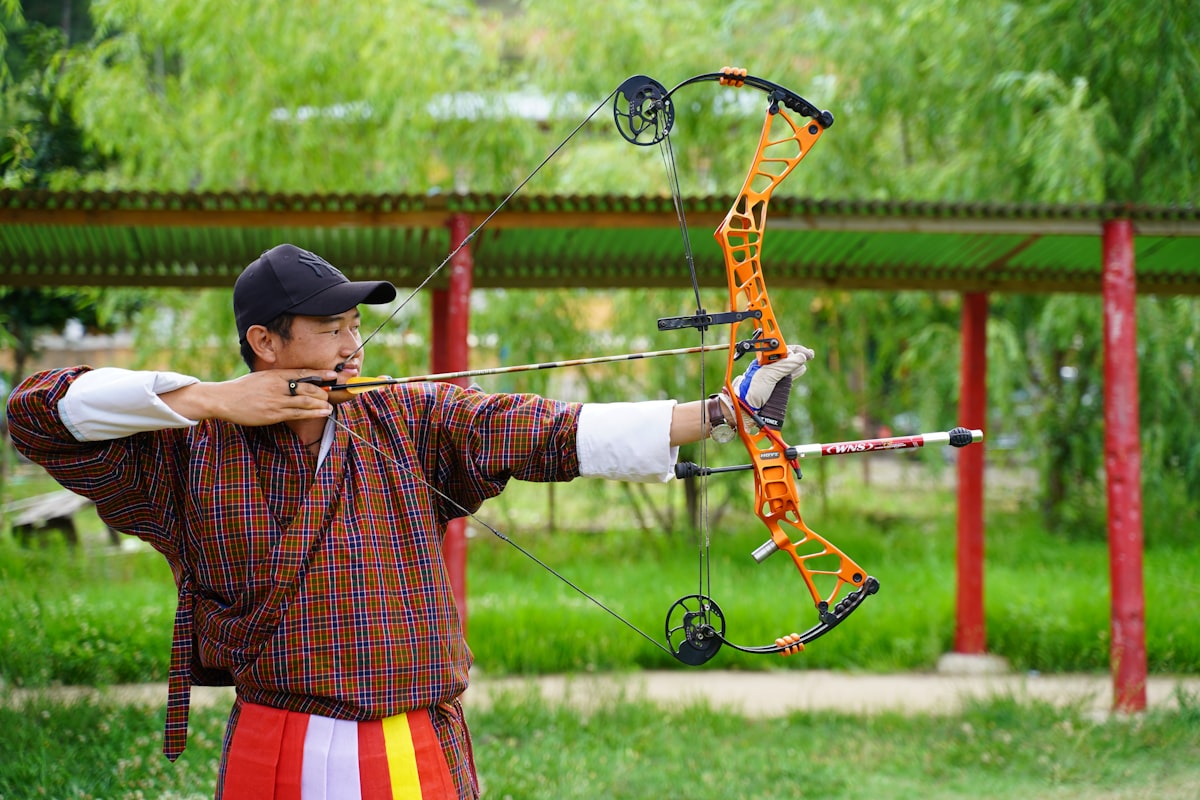
A single-pin adjustable sight set at 20 yards covers most turkey shot opportunities. You rarely get shots beyond 25 yards, and dialing a single pin eliminates the chance of using the wrong pin in a high-adrenaline moment. A drop-away rest is ideal for compound setups, but a whisker biscuit works fine for turkey hunting since shots are close and total containment prevents the arrow from falling off the rest while you maneuver inside a blind.
Ground Blind Setup and Concealment
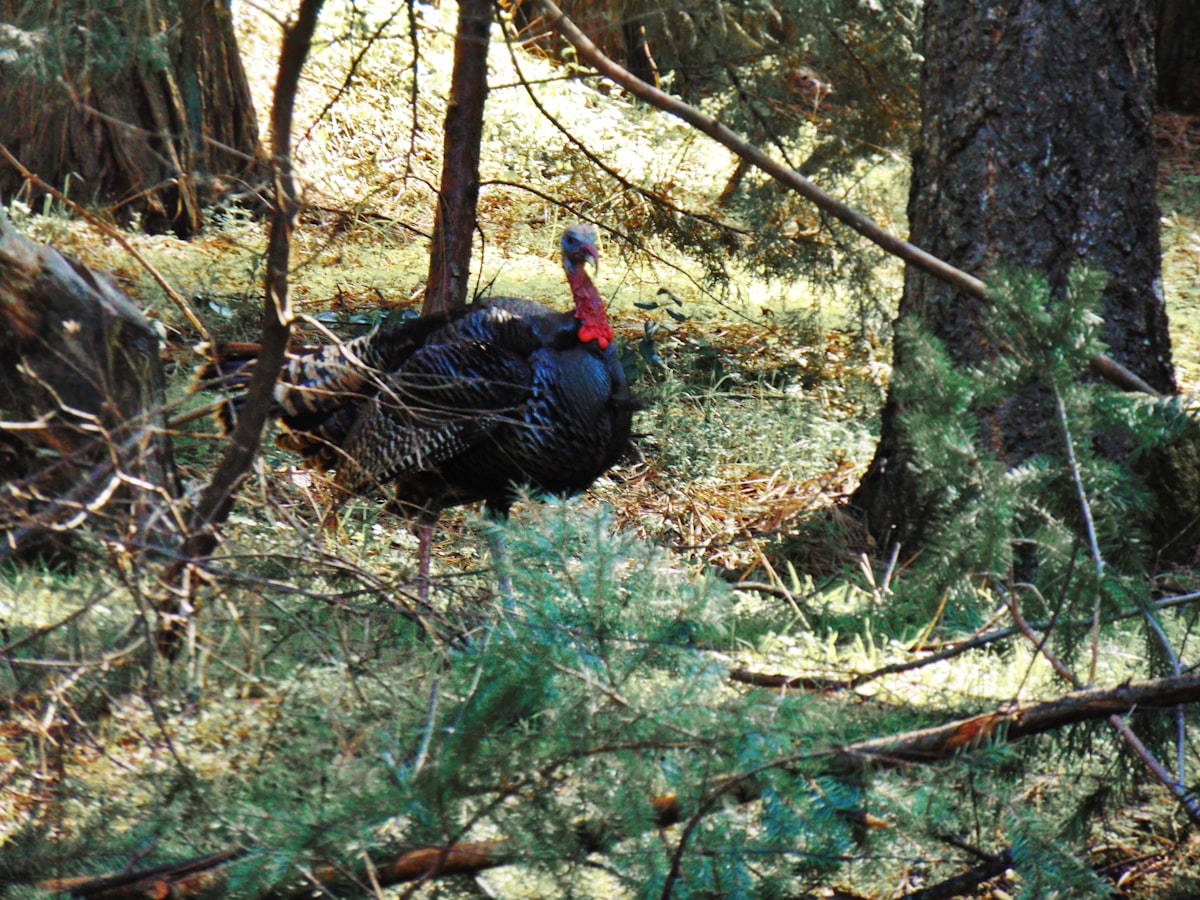
Unlike tree-stand hunting for deer, bowhunting turkeys almost always happens from ground level. A pop-up ground blind is essential for concealing your draw and blocking the bird’s extraordinary vision.
Positioning the Blind
Set your blind 2 to 3 days before you plan to hunt if possible. Turkeys notice changes in their environment, and a freshly placed blind in an open field can spook birds for a day or two. Position it along a known travel route — a field edge, logging road, or fence line where you have seen birds feeding or strutting. Face the shooting window north or east so the morning sun is behind you, not blinding you through the mesh.
Interior Setup
Wear all black or dark camo inside the blind. The interior needs to be as dark as possible so a turkey looking at the mesh windows sees shadow, not movement. Remove anything reflective — watch faces, phone screens, shiny bow limbs. Set your chair so you can rotate 180 degrees without standing up, and keep your bow on a hook or holder at the ready so you can grab and draw smoothly.
Decoy Placement
Place a breeding hen decoy 12 to 15 yards from your blind with a jake or subordinate tom decoy mounted behind her. This setup triggers the dominant gobbler’s territorial aggression. He will often walk straight to the jake decoy, presenting a facing-away or broadside shot at a known, pre-ranged distance. A strutting tom decoy can also work but may intimidate subordinate gobblers into hanging up out of range.
Pre-Season Practice Drills
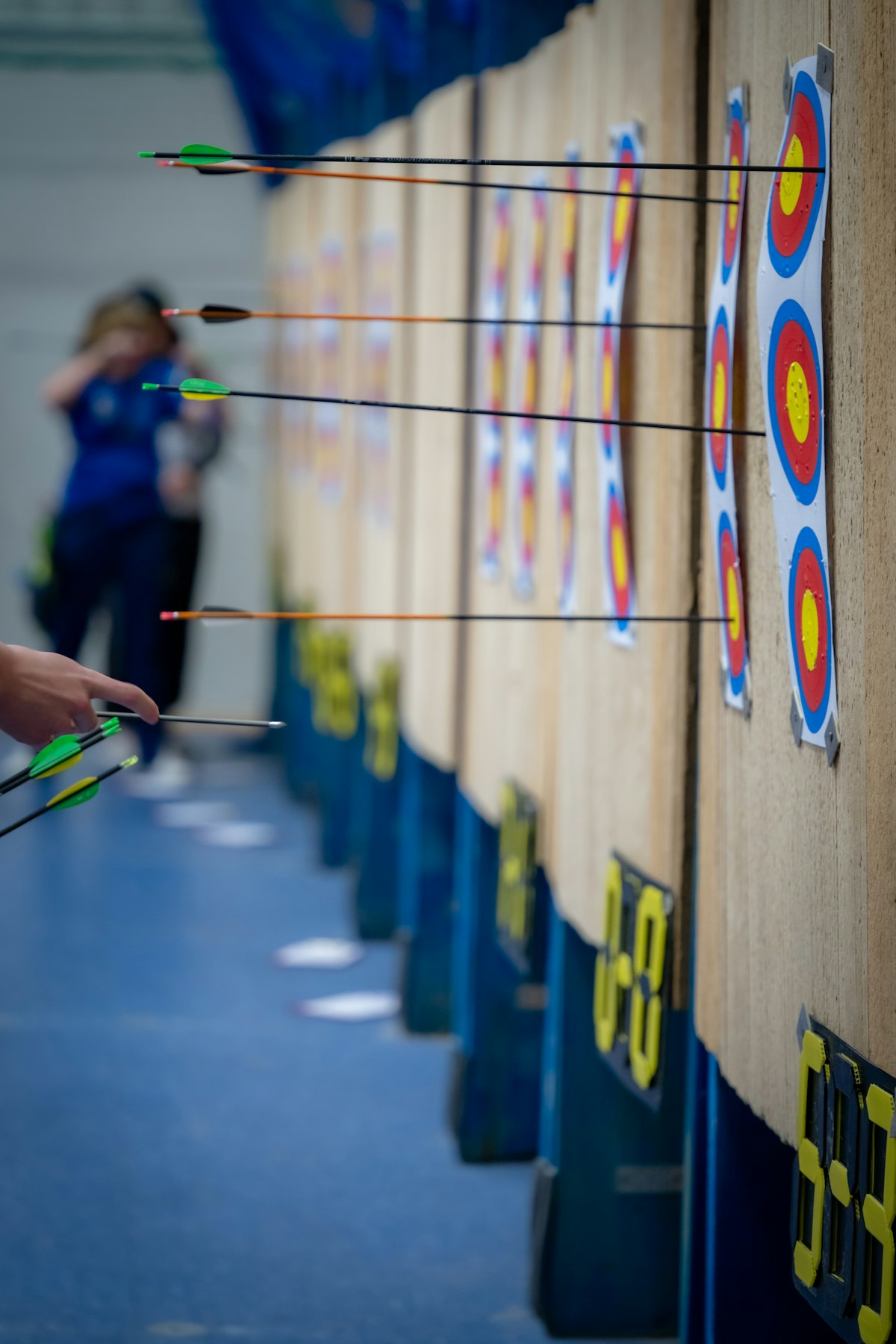
Turkey shots are close but unforgiving. Build confidence with drills that simulate real hunting conditions.
Chair shooting. Set up a chair and practice drawing, aiming, and releasing from a seated position. Your anchor point and form may shift slightly compared to standing, and you need to discover this before opening day.
Broadhead tuning. Shoot your actual hunting broadheads at 15, 20, and 25 yards. If they are not hitting with your field points, micro-adjust your rest until they group together. Never assume broadheads fly the same as field tips without verifying.
Quick-draw practice. Time how long it takes to go from bow-in-hand to full draw without making noise. Inside a blind, you may only have a 3-to-5-second window when the gobbler’s head goes behind a strut fan. Practice drawing in slow motion, smoothly and silently.
Small-target drills. Tape a 4-inch paper plate to your target and shoot at 15 yards. If you can consistently keep arrows inside that circle, you are ready for a turkey’s vital zone.
Scouting and Calling Strategy
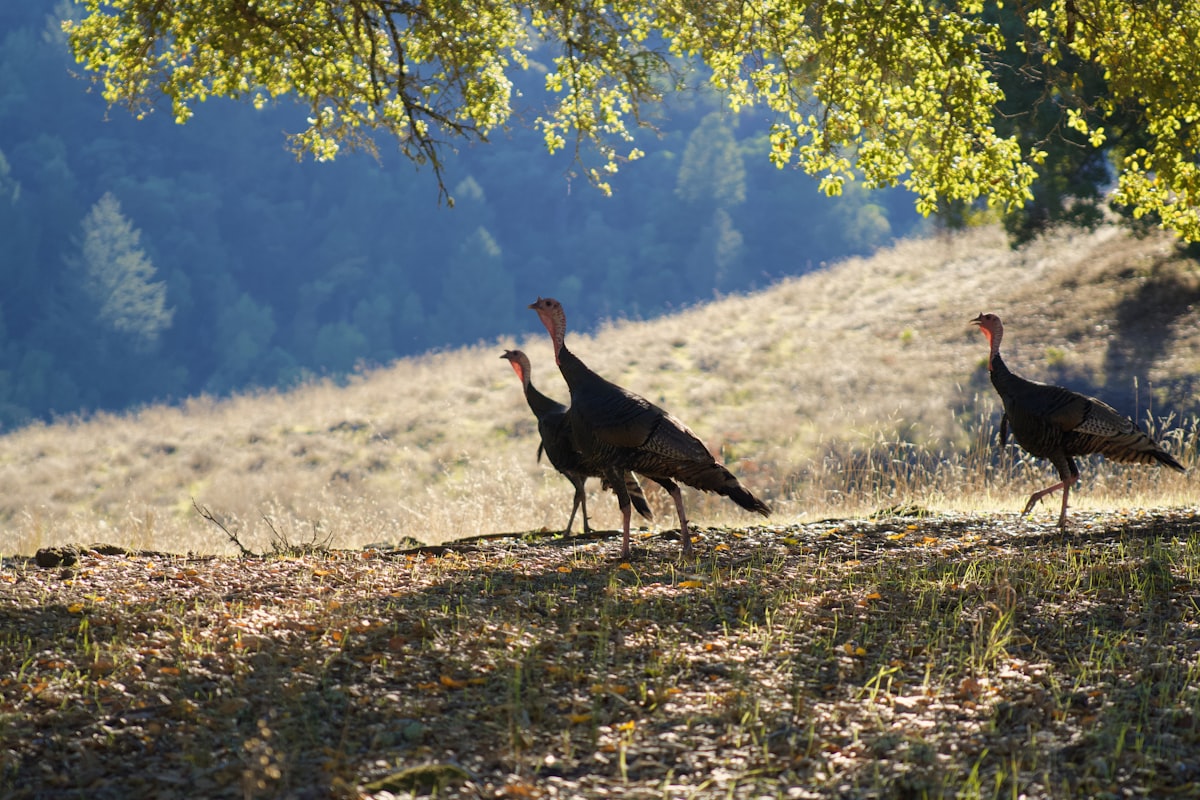
Calling turkeys within bow range requires tighter setups than calling for shotgun hunters. You need the bird committed and close — 20 yards or less is ideal, and 30 yards is pushing the limits of most bowhunters’ effective range on such a small target.
Roost scouting. Find roost trees by listening for gobbles at dusk and dawn during the two weeks before season. Mark them on a map app and set your blind within 100 to 150 yards of the roost along the bird’s travel route into a feeding area.
Calling cadence. Less is more. Start with soft tree yelps before fly-down, then switch to clucks and purrs once you hear the gobbler on the ground. Overcalling is the number one mistake new turkey hunters make. If a tom is gobbling in response and moving your direction, stop calling and let him come. Every extra call gives him a better fix on where the “hen” should be, and if he does not see a real turkey at the source, he may hang up out of range.
Friction calls in a blind. A pot-and-peg call (slate or glass) is easier to use quietly inside a ground blind than a box call. You can also operate it with one hand while the other stays on your bow. Mouth calls (diaphragm) are the ultimate hands-free option but take practice to master.
Common Mistakes That Cost Bowhunters Birds
After talking with dozens of bowhunters who have taken gobblers with arrows and just as many who have missed or lost birds, a clear pattern of mistakes emerges.
Shooting at a strutting bird head-on. The breast plate on a tom in full strut is like a shield. Arrows skip off it, penetrate only an inch, or deflect into non-vital areas. Wait for a broadside or facing-away angle.
Using small-diameter fixed-blade broadheads. They work on deer, but turkeys are mostly feathers. You need cutting diameter to create enough tissue damage for a quick kill.
Ranging the wrong spot. Range your decoys before the hunt, not the turkey during the hunt. A turkey at your decoy is at a known distance. A turkey 5 yards past your decoy is an easy mental adjustment. Fumbling with a rangefinder when a gobbler is at 20 yards will get you busted.
Skipping broadhead practice. Shooting field tips all winter and then screwing on broadheads the night before opening day is a recipe for a miss. Broadheads and field tips do not always fly the same, especially mechanicals with large blades that can plane in crosswinds.
Moving too early in the blind. Turkeys can detect motion through blind mesh, especially if the sun is behind the blind. Wait until the bird’s head is blocked by his fan, a decoy, or a terrain feature before you draw.
Gear Checklist for Spring Turkey Bowhunting
Pack smart and keep it minimal. Here is what you need for a morning hunt from a ground blind.
- Compound bow (50-55 lb draw weight, tuned with broadheads)
- 6+ arrows tipped with large-cut mechanical broadheads
- Pop-up ground blind (brushed in 2-3 days early)
- Hen decoy and jake or strutter decoy
- Slate or glass pot call with multiple strikers
- Diaphragm mouth calls (2-3 different cuts)
- All-black clothing or dark interior camo
- Comfortable swivel chair (silent mechanism)
- Rangefinder (pre-range decoys before dawn)
- Pruning shears for blind brush-in
- Headlamp with red light mode
- Water, snacks, and bug spray (unscented)
Ready to Gear Up for Spring Gobbler Season?
🏹 Browse compound bows, arrows, and broadheads built for the close-range precision that turkey bowhunting demands. Whether you need a new mechanical broadhead with a 2-inch cutting diameter or a complete arrow setup tuned for ground-blind hunting, our selection has you covered.
🎯 Shop turkey hunting accessories — from pop-up ground blinds to decoys and calls. Get your setup dialed before opening day so the only thing between you and a spring gobbler is 15 yards of green grass.
📦 Check out this season’s archery deals and make sure your bow is ready for the most exciting hunt of the year. Free shipping on orders over $99.
