
Uncategorized
Archery Wrist Sling: What It Does and How to Use One
Aug
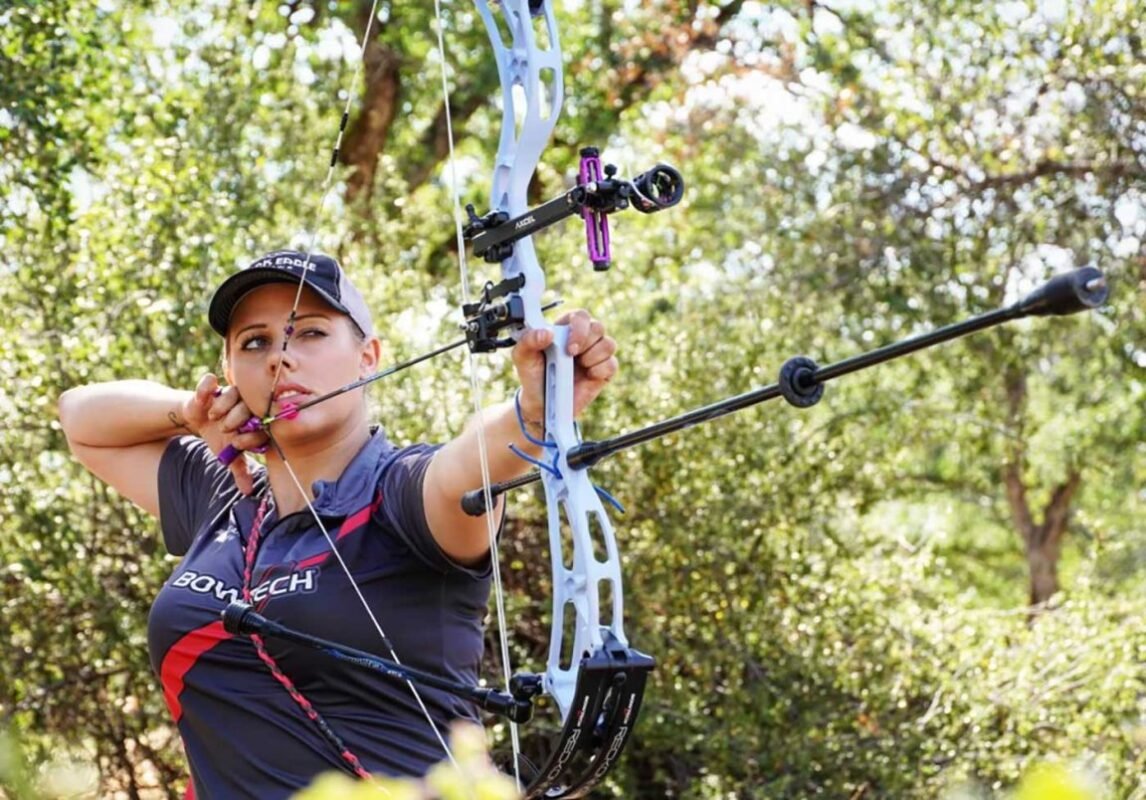
If you watch competitive archers closely, you will notice something unusual about how they hold their bows. After the shot, many of them simply let the bow fall forward — and a small strap around their wrist catches it. That strap is a bow wrist sling, and once you understand what it does, you may wonder how you ever shot without one.
An archery wrist sling is one of the most overlooked accessories in the sport. It does not improve your draw, adjust your sight, or quiet your bow. What it does is fix one of the most common accuracy-killers: a tense grip.
What Is a Bow Wrist Sling?
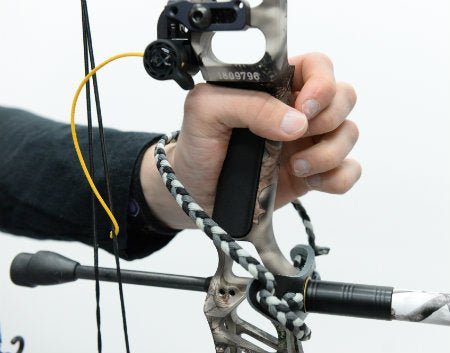
A bow wrist sling is a short strap or cord that connects your bow to your wrist. It typically wraps around the riser (the handle section of your bow) and loops around your bow-hand wrist.
The purpose is simple: it prevents you from gripping the bow tightly. When you know the sling will catch your bow after the shot, you stop worrying about dropping it — and your hand naturally relaxes. A relaxed grip eliminates torque on the bow, which is one of the leading causes of left-right arrow misses.
Wrist slings are used across all archery disciplines: Olympic recurve, compound target shooting, and even traditional bowhunting. They are standard equipment at the Olympic level and increasingly common at club competitions worldwide.
Why Archers Use a Bow Wrist Sling
1. Better Accuracy Through a Relaxed Grip
This is the core reason. When you grip a bow tightly, you inadvertently twist it during the shot — a movement called grip torque. That micro-rotation sends your arrow left or right of the target.
The fix is to shoot with an open, relaxed hand. The bow should rest against the meaty pad at the base of your thumb (called the thenar eminence) without your fingers curling around the handle. A wrist sling makes this possible because it eliminates the fear of dropping the bow.
2. Consistent Shot-to-Shot Form
Consistency is everything in archery. A wrist sling encourages the same relaxed hand position on every single shot. Tight-grip shooters, even experienced ones, tend to grip harder on difficult shots — a wrist sling removes that variable entirely.
3. The Bow Follows Through Naturally
After a clean release, a bow dips forward naturally. This is called the forward bow dip, and it is a sign of good form. With a wrist sling, you let that happen without catching the bow with your grip. The sling catches it at the end of the motion, so your follow-through stays consistent every time.
4. Reduced Hand Fatigue
Target archers shooting 100+ arrows per session will notice hand fatigue from tight gripping. A relaxed grip, supported by a wrist sling, significantly reduces that fatigue over a long session.
Types of Archery Wrist Slings
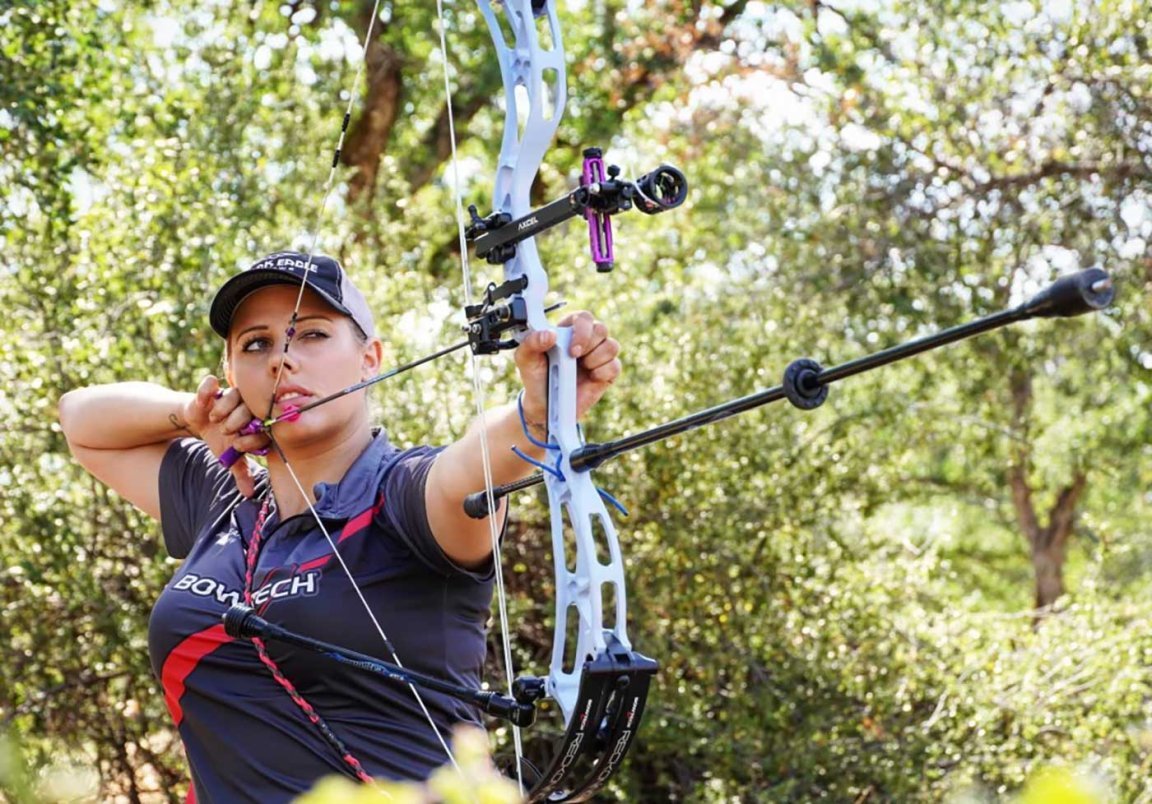
Not all bow slings work the same way. There are three main styles, each with different attachment methods and use cases.
Traditional Wrist Sling
A loop or strap that wraps around the bow riser and around your wrist. It is the most common style for compound archers and many recurve shooters. Usually made from nylon, paracord, or leather. Simple to attach, easy to adjust.
Finger Sling
A short cord with loops that go around your thumb and index (or middle) finger. The cord sits between your hand and the bow. Popular with Olympic recurve archers because it puts zero strap weight on the wrist and allows the bow to swing forward completely freely. Requires a bit of practice to get used to.
Bow Sling (Equipment Sling)
This type attaches to the stabilizer bushing at the front of the riser and wraps around the wrist. It takes the bow’s weight when you are walking or waiting, not during the shot. Some hunters prefer this style for carrying their bow in the field.
How to Attach and Use a Wrist Sling
Most wrist slings follow the same basic setup regardless of brand. Here is how to get started.
Step 1: Thread the Sling Through the Riser
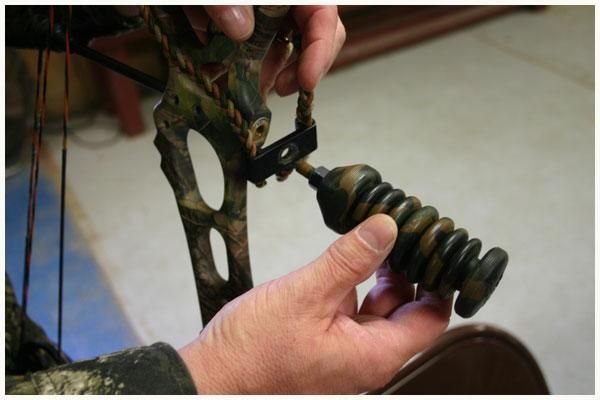
Many risers have a small hole or slot near the grip specifically for a wrist sling. Thread one end of the cord through this hole. If your bow does not have a dedicated hole, wrap the sling around the riser just above the grip.
Step 2: Loop It Around Your Wrist
Slide your bow hand through the sling loop so it rests around your wrist, just above the wrist bone. The strap should sit on the back of your wrist when you grip the bow normally.
Step 3: Adjust the Length
The sling should be loose enough that it does not touch your wrist during the shot. You want about 1 to 2 cm of slack. If it is too tight, it will pull your wrist and affect your form. If it is too loose, it will not catch the bow cleanly after the shot.
Step 4: Shoot with an Open Hand
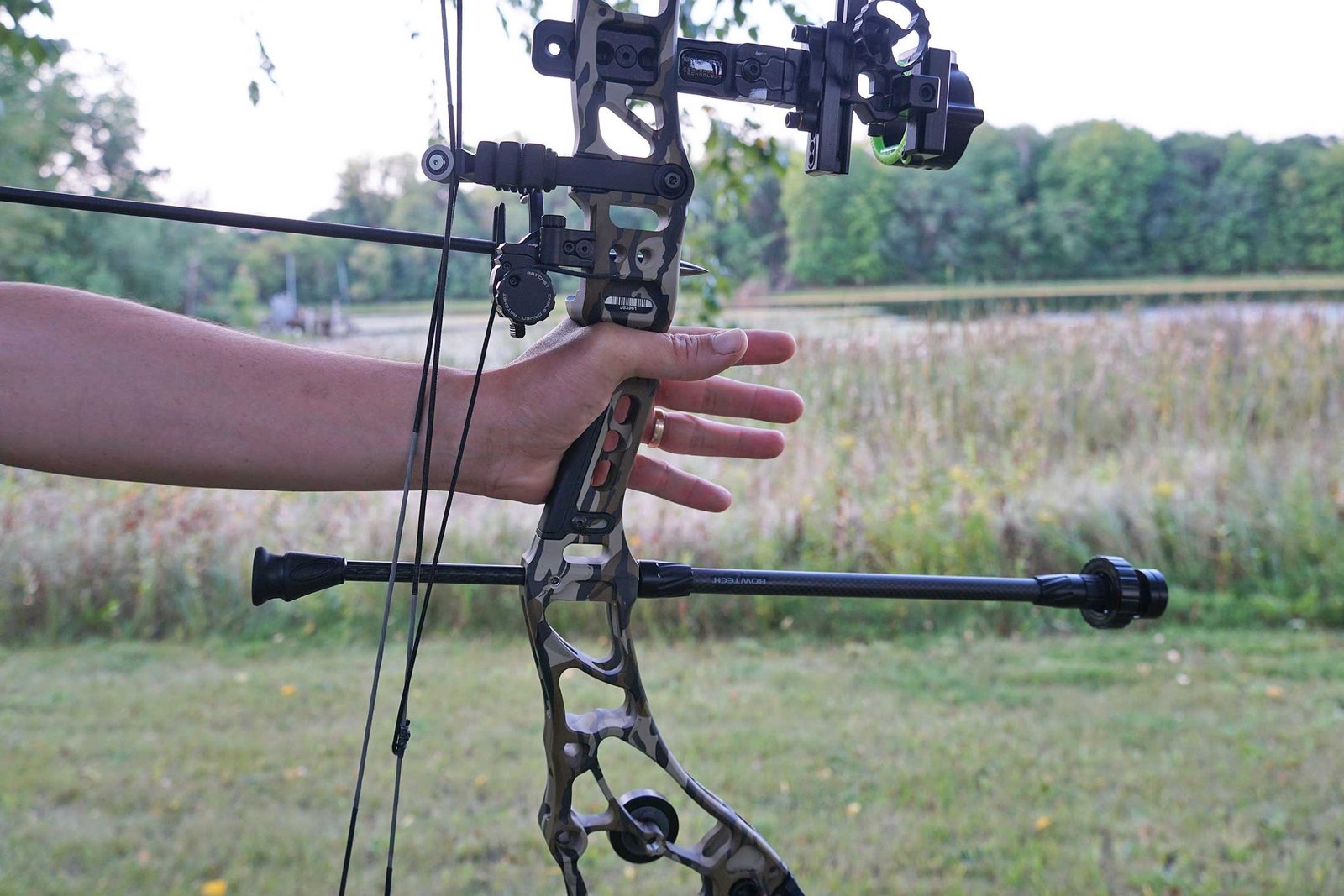
This is the mental shift that takes time. Place the bow in the meaty pad of your thumb, let your fingers hang loosely (they should not wrap around the grip), and trust the sling to catch the bow. On your first few shots, the bow will swing forward — and that is exactly right.
Step 5: Fine-Tune the Fit
After your first few shots, check where the strap sits on your wrist and how much the bow swings. Adjust the length until the sling catches the bow with a gentle tug, not a sharp jerk.
Wrist Sling vs Finger Sling: Which Should You Use?
The short answer depends on your bow style and preference.
- Wrist slings are easier to use and suit most compound and recurve archers. The bow is securely attached to your wrist, so you never worry about losing it. Great for beginners and field use.
- Finger slings are lighter, allow a completely free forward bow swing, and are preferred by many Olympic recurve athletes. The downside is they require more practice and feel unfamiliar at first.
If you are just starting with slings, begin with a wrist sling. If you are an experienced recurve archer wanting to optimize your shot, experiment with a finger sling.
Who Should Use a Bow Wrist Sling
Beginners Learning Proper Grip
A wrist sling accelerates form development for new archers. Without one, beginners grip the bow tightly out of instinct — and develop bad habits that take years to correct. A sling installed from day one teaches the relaxed grip from the start.
Target Archers Chasing Tighter Groups
If your arrows are grouping left and right inconsistently and your left-right variation does not match your sight adjustments, grip torque is likely the cause. A wrist sling will often fix this within a single practice session.
Compound Shooters Using a Release Aid
When you use a mechanical release aid, your grip hand has almost nothing to do during the shot. That makes tight gripping feel even more natural — and even more damaging. Compound target archers almost universally use a wrist sling for this reason.
High-Volume Shooters
Anyone shooting 100 or more arrows per session benefits from reduced hand tension. A wrist sling extends how long you can shoot comfortably before fatigue starts affecting form.
Who Might Not Need One
Traditional and instinctive archers who shoot with a natural thumb-curl grip often skip the wrist sling. Some hunters also find it gets in the way when drawing quickly from a hunting position. In those cases, proper grip technique matters more than the sling itself.
Tips for Choosing the Right Wrist Sling
Material
Paracord slings are durable, adjustable, and inexpensive — a good choice for most compound and recurve shooters. Leather slings are comfortable and look great, but can stretch over time. Nylon slings are light and weather-resistant, a solid choice for outdoor and hunting use.
Adjustment System
Look for a sling with a reliable adjustment mechanism. Cheap ones use basic knots that slip during shooting. Quality slings use metal sliders or cam buckles that lock in place and stay consistent shot after shot.
Weight
Target archers are sensitive to any added weight on the bow because it affects balance. Choose the lightest sling that does the job. If you are shooting for fun or hunting, weight is less of a concern.
Riser Compatibility
Check how the sling attaches to your bow. Most modern risers have a threaded hole near the grip for a stabilizer-mounted sling, or a dedicated slot for a traditional wrist sling cord. Know your riser before buying.
Conclusion
An archery wrist sling is a small accessory with an outsized impact on accuracy. By allowing you to shoot with a relaxed, open grip, it eliminates grip torque — one of the most common causes of inconsistent arrow flight. Whether you are a beginner building solid habits or an experienced archer troubleshooting left-right spread, a wrist sling is one of the easiest upgrades you can make.
Start with a paracord or nylon wrist sling for your bow type, adjust it for 1 to 2 cm of slack, and spend a session teaching yourself to trust it. The improvement in your groupings may surprise you.
