
Archery Blog
Deepika Kumari: India’s Archery Icon
Jul
In 2006, a twelve-year-old girl from the coal-mining district of Jharkhand walked into the Tata Archery Academy with a borrowed bow and almost no training. Within four years she was world number one. Today, Deepika Kumari archery is a phrase that resonates far beyond India—she is one of the most decorated women’s recurve archers in the history of the sport, a four-time Olympian, and a living symbol of what persistence and elite coaching can build from almost nothing.
Early Life: From Jharkhand to the World Stage
Deepika Kumari was born on June 13, 1994, in Ranchi, Jharkhand—a state in eastern India best known for its mineral wealth and tribal communities. Her father drove an auto-rickshaw; her mother worked as a nurse’s aide. Money was tight enough that Deepika spent childhood afternoons shooting mangoes from trees with a homemade bow, using whatever sticks she could find as arrows. It was, in retrospect, archery training of a different kind.
The turn came when the Tata Archery Academy in Jamshedpur opened its scholarship programme to promising young athletes from the region. Deepika applied, was accepted, and received her first proper recurve bow at the age of twelve. The transformation was immediate. Coaches noticed her natural draw strength, her stillness at anchor, and an almost uncanny ability to tune out distraction and focus on the gold. Within two years she was competing nationally.
Rising to World Number One
Deepika’s international breakthrough arrived at the 2010 Commonwealth Games in Delhi, where she won gold in the individual recurve and team events on home soil. She was sixteen. The victory sent a jolt through Indian sports media that had rarely trained its cameras on archery, and overnight Deepika became the face of a discipline desperate for recognition in a cricket-obsessed nation.
That same year she claimed her first World Archery Youth Championship title, defeating rivals who had been competing internationally since before she had held a proper bow. By 2012 she reached the pinnacle of the senior rankings, ascending to world number one—a position she would hold multiple times across her career. Her peak scoring average at 70 metres, the Olympic distance, placed her consistently among the top five women in the world across an entire decade of competition.
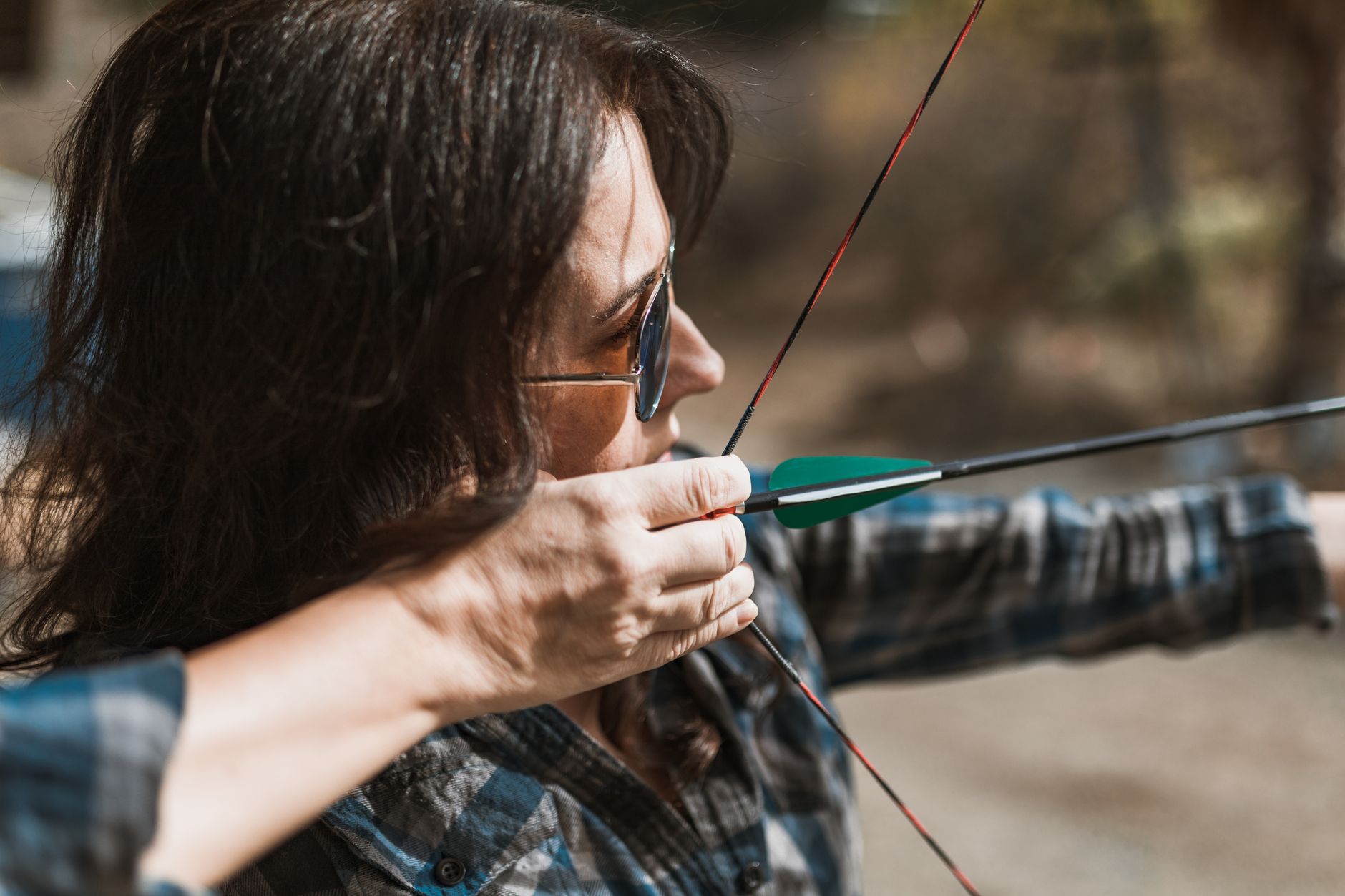
Her technique became a coaching reference point. Deepika shoots with a remarkably low profile at full draw: minimal shoulder elevation, a clean back-tension release, and an anchor so consistent that her shot-to-shot grouping at distance rivals many athletes shooting at shorter ranges. She was coached under the national programme and later worked with South Korean coach B.D. Kim, widely regarded as the architect of Korea’s archery dynasty.
Four Olympic Games: A Legacy Built Over Decades
Deepika Kumari has competed at the Olympic Games in 2012 (London), 2016 (Rio de Janeiro), 2020 (Tokyo, held in 2021), and 2024 (Paris)—a span of twelve years that few athletes in any discipline can match. Each Games added a chapter to a story marked as much by near-misses and resilience as by triumph.
London 2012 introduced her to the Olympic stage at eighteen. Rio 2016 saw the full weight of Indian expectation fall on her shoulders as the country’s most prominent medal hope in archery—a burden that revealed both her steel and the emotional complexity of performing under national scrutiny. At Tokyo 2020, she reached the individual semi-final, where she lost narrowly to South Korea’s An San, who swept all three gold medals at those Games. The defeat stung, but Deepika’s path to the semi-final itself was one of the finest individual runs at any Olympic archery event, including a stunning upset of the reigning world number one in the quarter-final.
Her Paris 2024 appearance marked her fourth consecutive Games—a feat achieved by only a handful of women’s recurve archers in Olympic history. Competing at the historic Invalides venue, she continued to represent India on the world’s largest sports stage more than fifteen years after she first picked up a proper bow.
The Equipment: Shooting Win & Win
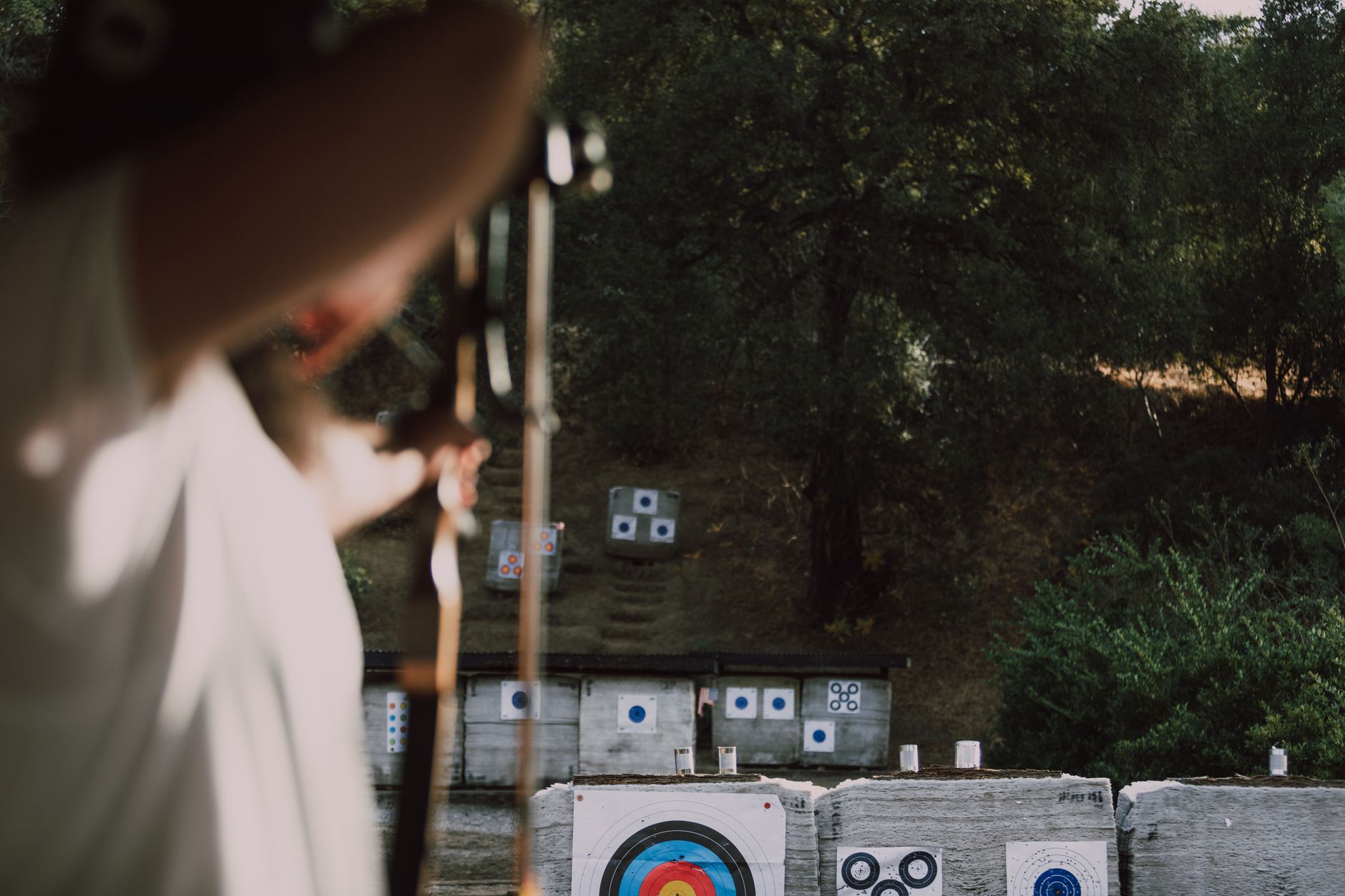
At the elite level, every detail of equipment selection matters, and Deepika Kumari shoots Win & Win—the South Korean manufacturer whose bows have dominated Olympic podiums for decades. Win & Win risers are known for their exceptional vibration dampening and consistent limb alignment, qualities that become critical when you are shooting 144 arrows in a single session and need your groups to stay tight throughout.
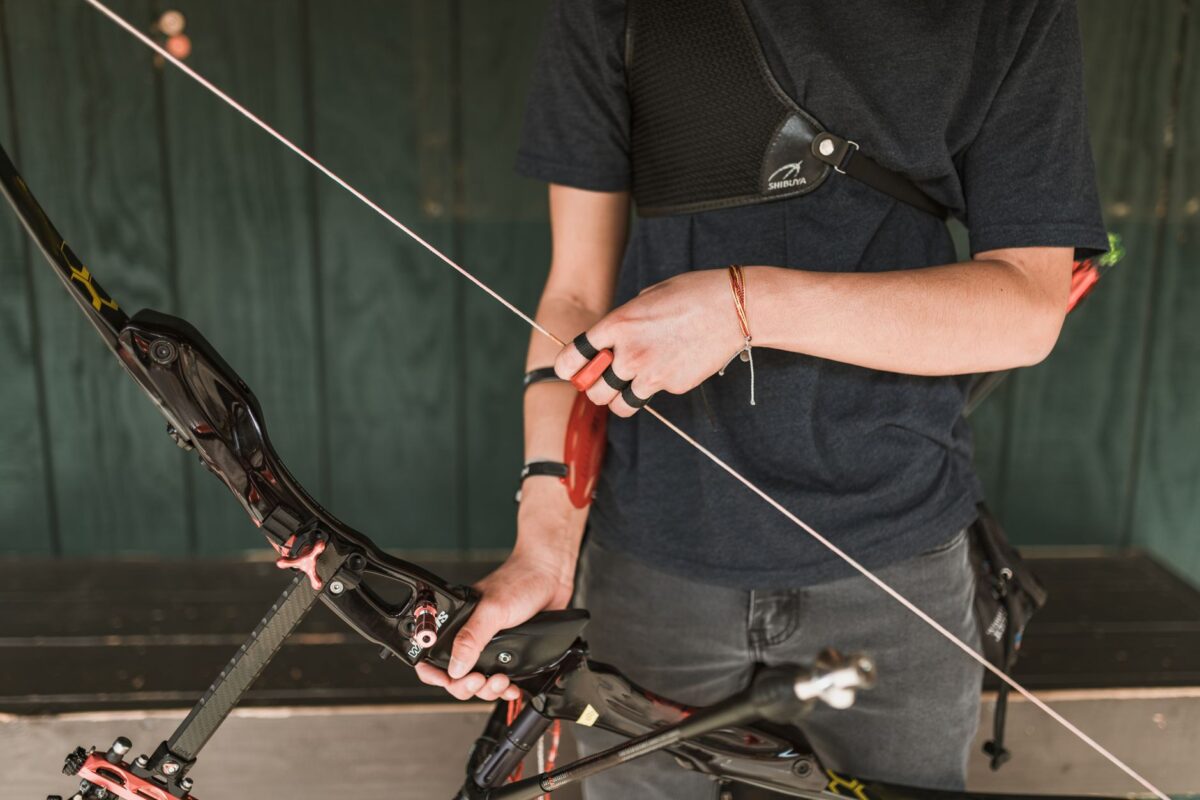
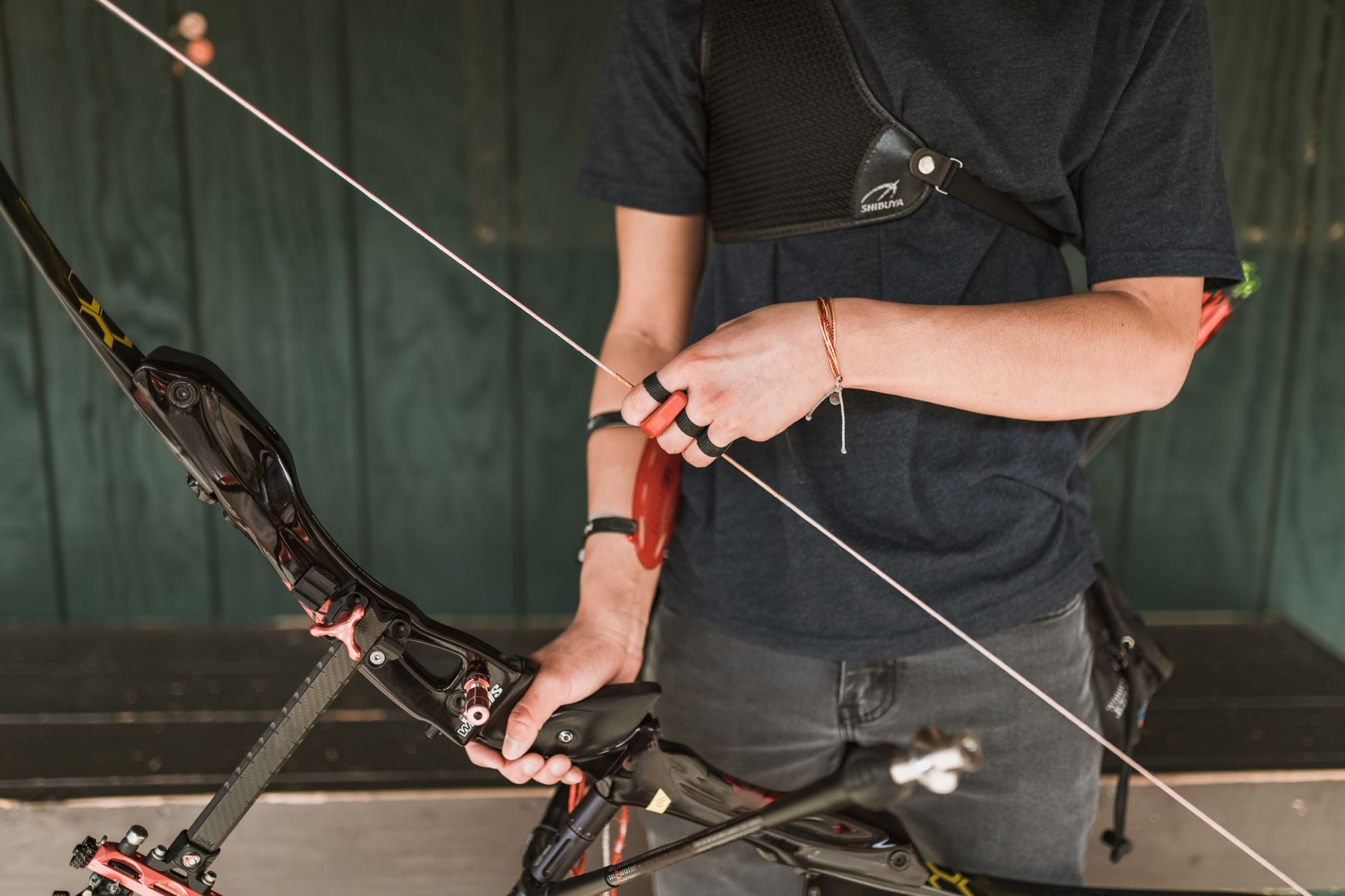
The recurve bow used in Olympic competition is a sophisticated precision instrument. The riser is typically aluminium or carbon, the limbs are carbon-fibre composite, and the setup includes a long rod stabiliser, side rods, a clicker for draw-length consistency, and a sight calibrated to hundredths of a millimetre. Deepika’s setup at 70 metres has consistently delivered scores in the high 340s to low 350s per 36-arrow end—a standard that places her in the global elite.
For archers inspired by her example and looking to step up their own recurve equipment, the fundamentals remain the same: consistent draw, repeatable anchor, back-tension release, and gear that does not introduce variables you cannot control.
Get Competition-Ready Recurve Accessories
Carbon Fiber Bow Stabilizer
The stabiliser is one of the first upgrades every serious recurve archer makes. Reduces torque and vibration on release, tightening your groups at distance.
Shop: Carbon Fiber Bow Stabilizer → archerysupplier.com
Three-Finger Archery Glove
A proper finger tab or glove is non-negotiable for recurve technique. Protects the fingers and allows a clean string release every time.
Shop: Three-Finger Archery Glove → archerysupplier.com
Archery Arm Guard
String slap is a rite of passage, but it does not need to be. An arm guard protects the bow arm and lets you focus entirely on form.
Shop: Archery Arm Guard → archerysupplier.com
8mm Aluminum Alloy Practice Arrows
Consistent arrows are essential for developing consistent technique. These alloy shafts are an excellent choice for target practice sessions.
Shop: 8mm Aluminum Alloy Practice Arrows → archerysupplier.com
Married Life and the Atanu Das Connection
In 2020, Deepika Kumari married Atanu Das, himself a top-ranked Indian men’s recurve archer and multiple-time Olympian. The marriage was seen as a union of two of India’s most prominent archery ambassadors and added a new dimension to both athletes’ public profiles. They trained alongside each other in the run-up to the Tokyo Olympics, an arrangement that was as unusual in the archery world as it was widely covered in the Indian press.
At Tokyo 2020, both Deepika and Atanu competed and advanced deep into their respective draws, briefly making India one of the focal points of Olympic archery coverage worldwide. Their story—two archers from modest backgrounds who found each other through the sport—resonated with a public that rarely followed archery closely.
Precision Matters: The Archery Target as a Measuring Stick
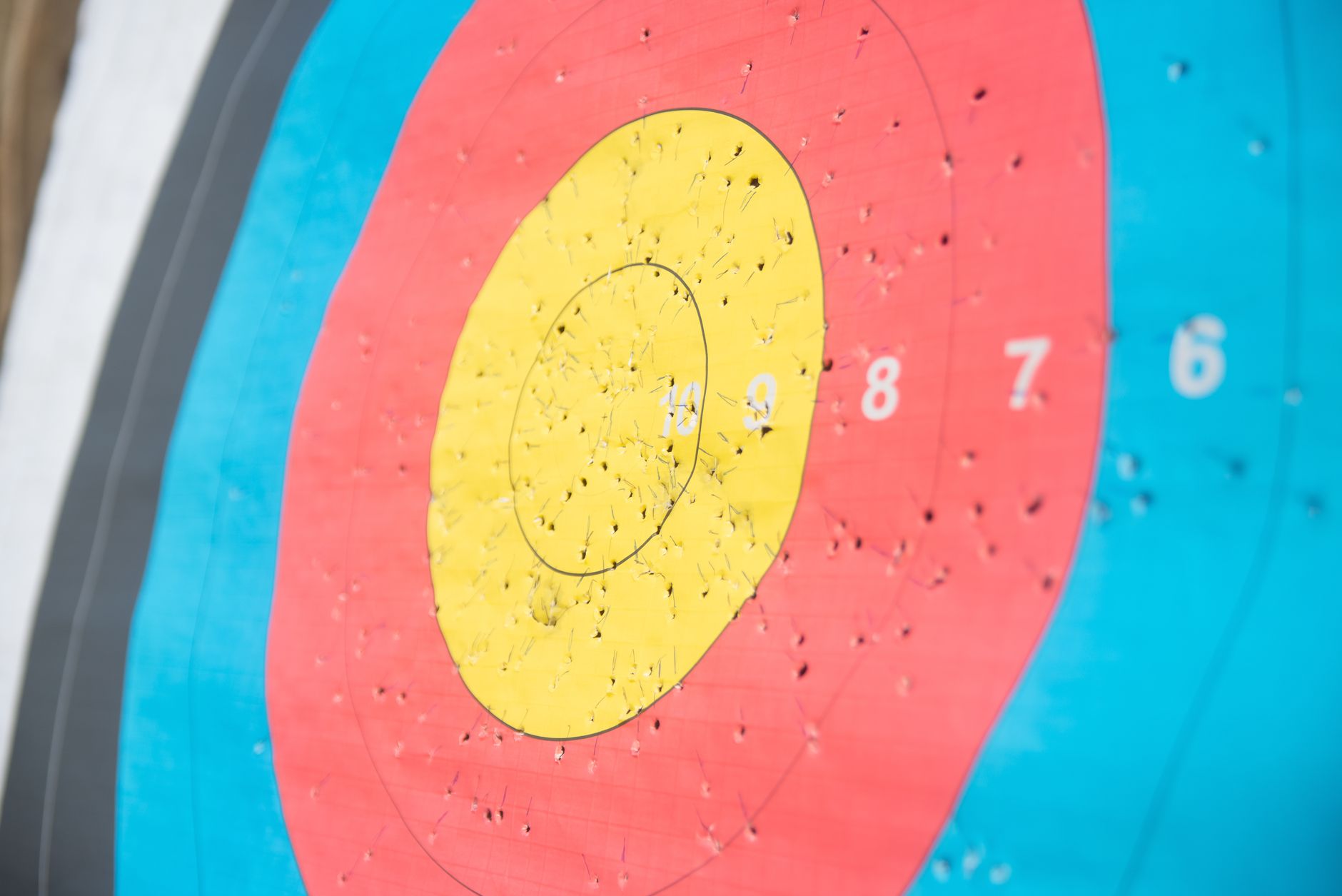
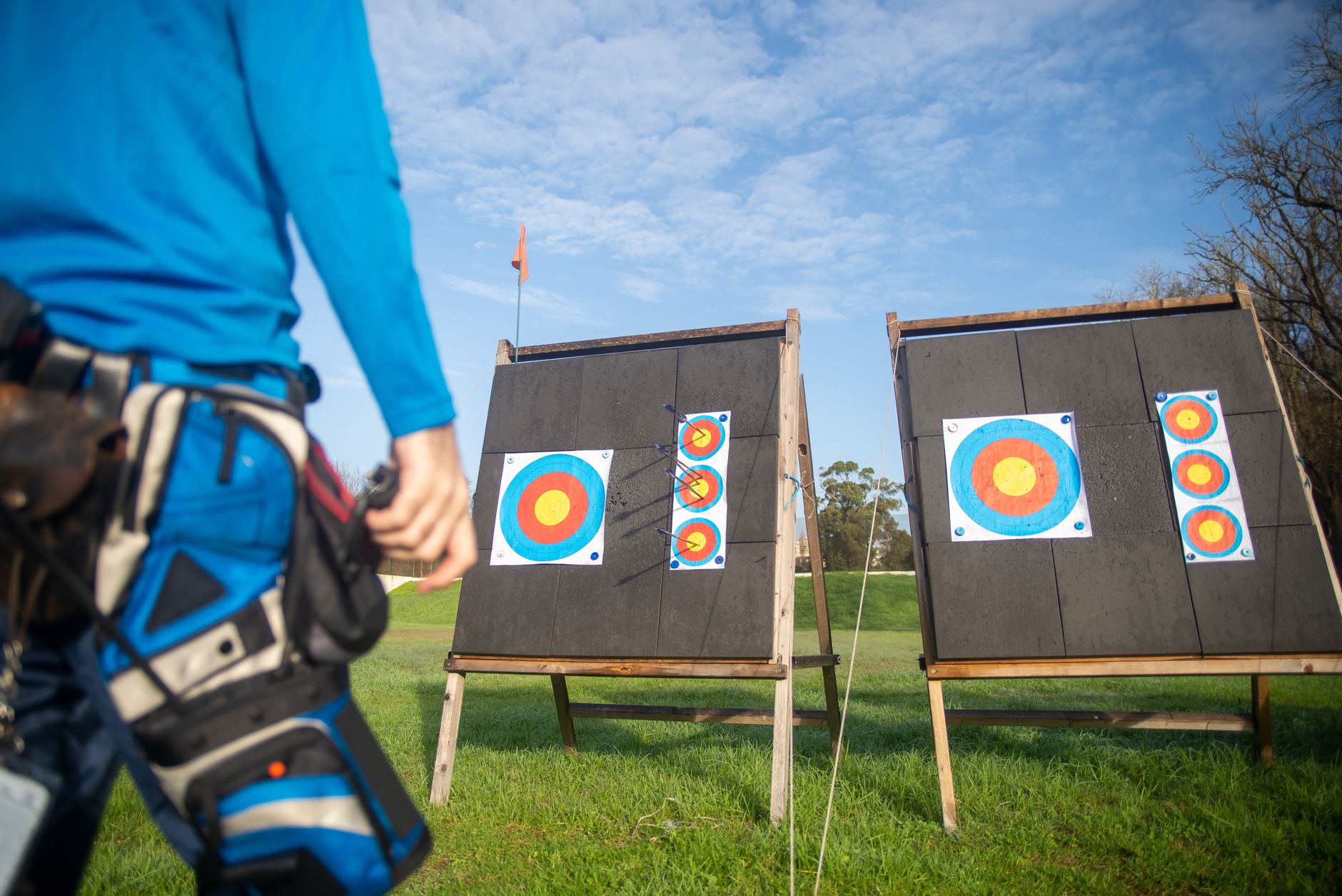
One of the things that defines elite archers like Deepika is not just their average score but the consistency of their arrow grouping. At 70 metres, the 10-ring on an Olympic target face is just 12.2 centimetres in diameter. Hitting it once is impressive. Hitting it repeatedly, under pressure, across a full 144-arrow round, is what separates the world’s best from everyone else.
For archers at any level, working with quality target faces and appropriate backing is the foundation of serious practice. Measuring your own groupings over time is one of the most effective tools for tracking technical improvement and identifying the specific flaws in your release or anchor that are costing you score.
Deepika Kumari’s Impact on Indian Archery
The numbers tell part of the story. Multiple world number one rankings. More than a dozen World Cup medals. Arjuna Award, Padma Shri—two of India’s highest civilian sporting honours. The first Indian woman to win a World Archery Cup Final. Multiple appearances at Commonwealth and Asian Games with medals across individual and team events.
But the broader impact is harder to quantify. Before Deepika, archery struggled to find space in Indian sports media beyond Olympic years. After her Commonwealth Games gold in Delhi, academy enrolments spiked across Jharkhand and the neighbouring states. National funding for the programme increased. Young girls from tribal communities—girls who looked like Deepika, came from places like Deepika, and had never imagined an archery scholarship as a path forward—started applying in numbers that hadn’t existed before.
She also changed what the world assumed about Indian archery. For a long time the narrative held that South Korea, the United States, and a handful of European nations were the credible powers in recurve competition. Deepika spent fifteen years writing a different story.
Lessons Any Archer Can Take from Deepika’s Career
- Start with the fundamentals and defend them at every level. Deepika’s coaches have consistently credited her technical consistency as the bedrock of her longevity. Fancy equipment means nothing without repeatable form.
- Manage the mental game as deliberately as the physical one. Olympic archery is as much a sport of mental control as physical skill. Deepika has spoken openly about working with sports psychologists to manage the pressure of representing a nation of 1.4 billion people.
- Treat setbacks as data, not verdicts. Her Olympic near-misses did not end her career—they extended it, because each loss revealed something correctable. Four Olympics over twelve years is a product of adaptation, not just raw talent.
- Equipment should serve technique, not replace it. Win & Win bows are elite instruments, but Deepika’s coaches have always emphasised that the archer’s body is the machine. The bow is the tool.
Conclusion
The story of Deepika Kumari archery is ultimately a story about what structured coaching, competitive opportunity, and sheer determination can produce when they converge in the right person. From shooting mangoes off trees in Jharkhand to standing on Olympic stages four times across twelve years, she has redefined what Indian archery looks like on the world stage—and what is possible for anyone who approaches this sport with genuine commitment.
Whether you’re just starting with a beginner recurve setup or working toward competitive scores, the foundation is the same one Deepika built: consistent technique, quality practice, and equipment that supports your development rather than working against it. If her career teaches archers one lesson above all others, it is that the recurve bow rewards patience and precision more than any other variable.
