Archery Blog
Carbon vs Aluminum Arrows: Which Material Wins in 2026?

May
Walk into any pro shop in 2026 and you will see two stacks of arrow shafts dominating the wall: slim, jet-black carbon arrows and the slightly heftier, anodized aluminum tubes that have been around since the 1940s. The carbon vs aluminum arrows debate is older than most archers shooting today, but the answer keeps shifting as materials, manufacturing tolerances, and prices evolve. This guide breaks down what actually matters when you choose between the two — physics, fieldcraft, and dollars — so you can pick the shaft that fits your bow, your budget, and the targets you actually shoot.

The 30-Second Answer
If you only read one paragraph: choose carbon arrows for hunting, 3D, outdoor target, and almost any compound bow setup where speed, weight, and field durability matter. Choose aluminum arrows for indoor target shooting at fixed distances, traditional and recurve practice on a budget, or any application where a fat shaft cutting a higher scoring line is worth more than three feet per second. The rest of this article explains why those defaults exist — and the situations where the right choice flips.
How Carbon and Aluminum Shafts Are Actually Built
Carbon Arrow Construction
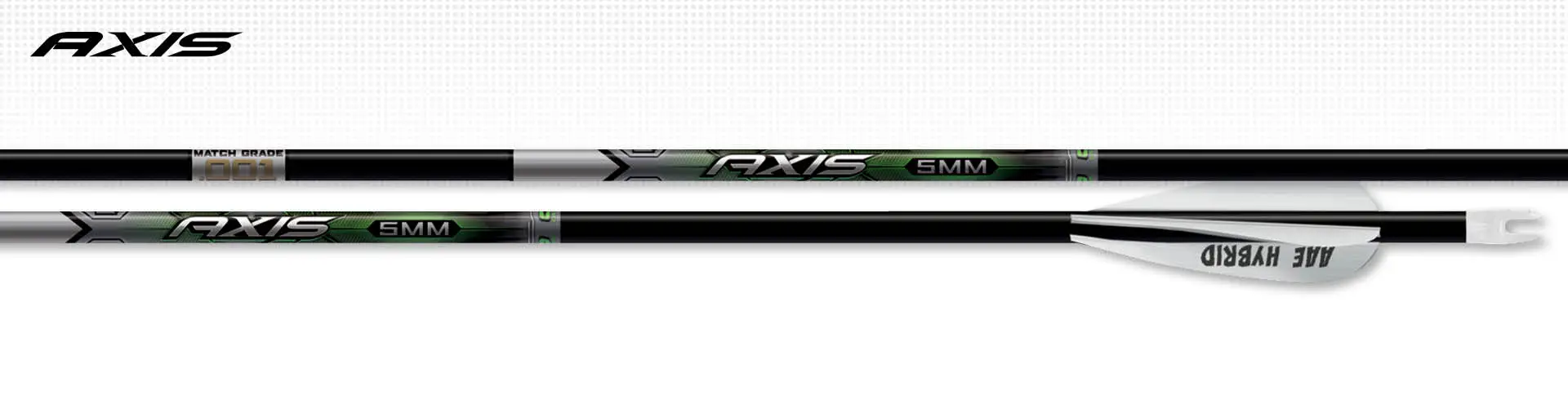
Modern carbon shafts are made from continuous carbon-fiber filaments wound around a mandrel and bonded with an epoxy or thermoset resin. The orientation of those fibers — wrapped, pultruded, or layered — determines how the shaft handles flex and impact. High-end shafts like Easton Axis and Gold Tip Pierce use 100% carbon construction with multidirectional weaves that resist splintering and hold spine consistency over thousands of shots.
Aluminum Arrow Construction
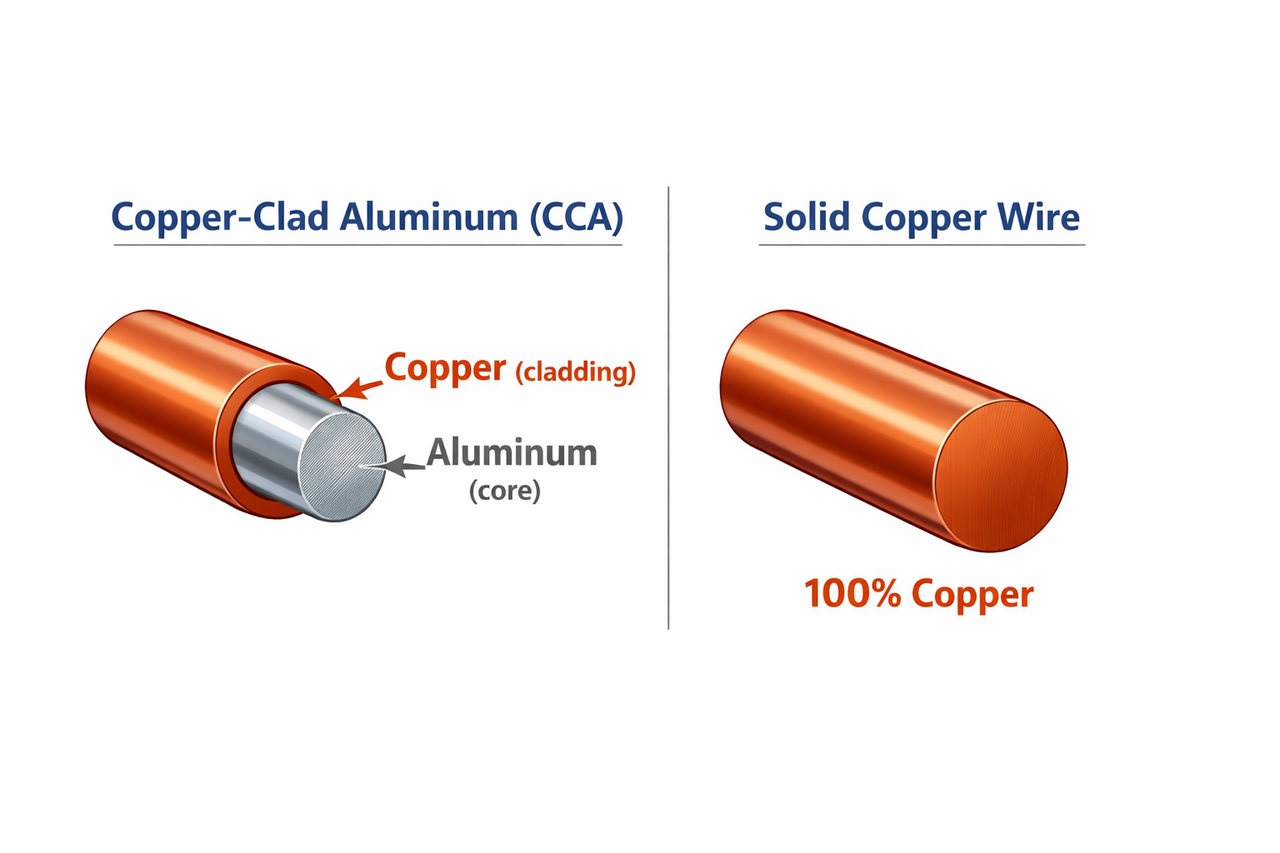
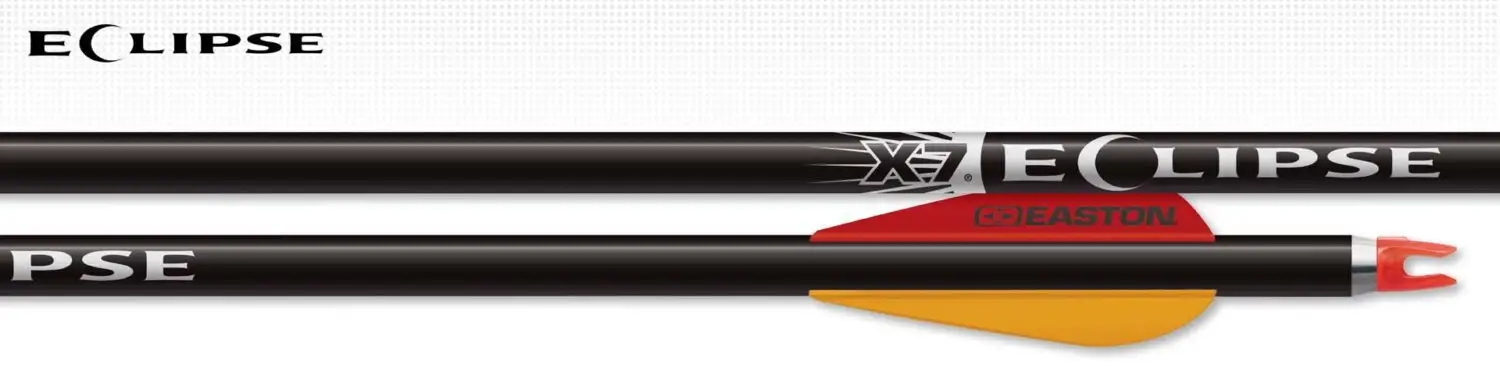
Aluminum shafts are seamless drawn tubes — usually 7075-T9 or 7178-T9 aerospace alloys — with the wall thickness and outer diameter precisely controlled during manufacturing. Easton’s XX75 and X7 lines have been the gold standard since the 1970s. Because aluminum is a homogeneous metal with no fibers or resin, the shafts come out of the factory with extremely consistent straightness right off the production line.
Weight and Speed: The Physics
Carbon is lighter than aluminum at the same spine and length. A standard 340-spine 28-inch carbon shaft runs roughly 7.5 to 9.5 grains per inch (GPI). A comparable aluminum shaft like an Easton XX75 2315 runs closer to 13 GPI. Once you build out a finished arrow with points, fletching, and nocks, the carbon arrow typically lands 60–100 grains lighter.
That weight difference translates directly to speed. As a rough rule of thumb, every 5 grains of total arrow weight removed adds about 1.5 fps to your launch speed from a modern compound bow. A hunter dropping from a 480-grain aluminum arrow to a 410-grain carbon will see roughly 20 fps more — flatter trajectory, less holdover guesswork inside 40 yards, and a quieter shot.
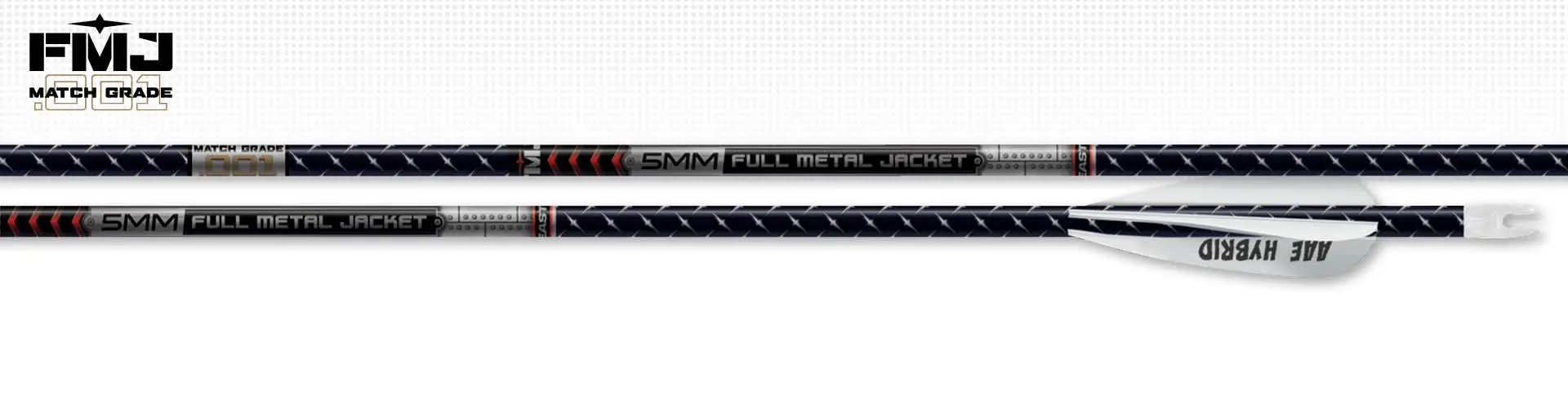
The trade-off: heavier arrows carry more kinetic energy and momentum, which matters for big-game penetration. That is why elk and African plains-game hunters increasingly choose FMJ-style hybrid shafts — a carbon core wrapped in aluminum — to recover the mass without giving up too much carbon stiffness.
Durability: What Happens When You Miss
This is where the gap is widest. Aluminum shafts bend. Carbon shafts crack. Both are bad, but they fail differently.
- Aluminum bend behavior: A glancing rock, a crossed arrow on the bag target, or a hit on the riser of another arrow will put a permanent kink in the shaft. You can sometimes straighten minor bends with a roller tool, but anything past 0.006″ runout is scrap.
- Carbon crack behavior: Carbon shafts can take serious abuse without visible damage, then catastrophically fail on the next shot. Always flex-test carbon arrows before shooting them — bend the shaft 4–6 inches across each end of the arrow and listen for any cracking sound.
- Real-world durability: In the field — woods, 3D courses, hay-bale practice — carbon outlasts aluminum by a meaningful margin. On an indoor target lane with foam butts, aluminum often outlasts carbon because nothing in the lane causes catastrophic crack failures.
Straightness, Spine, and Accuracy
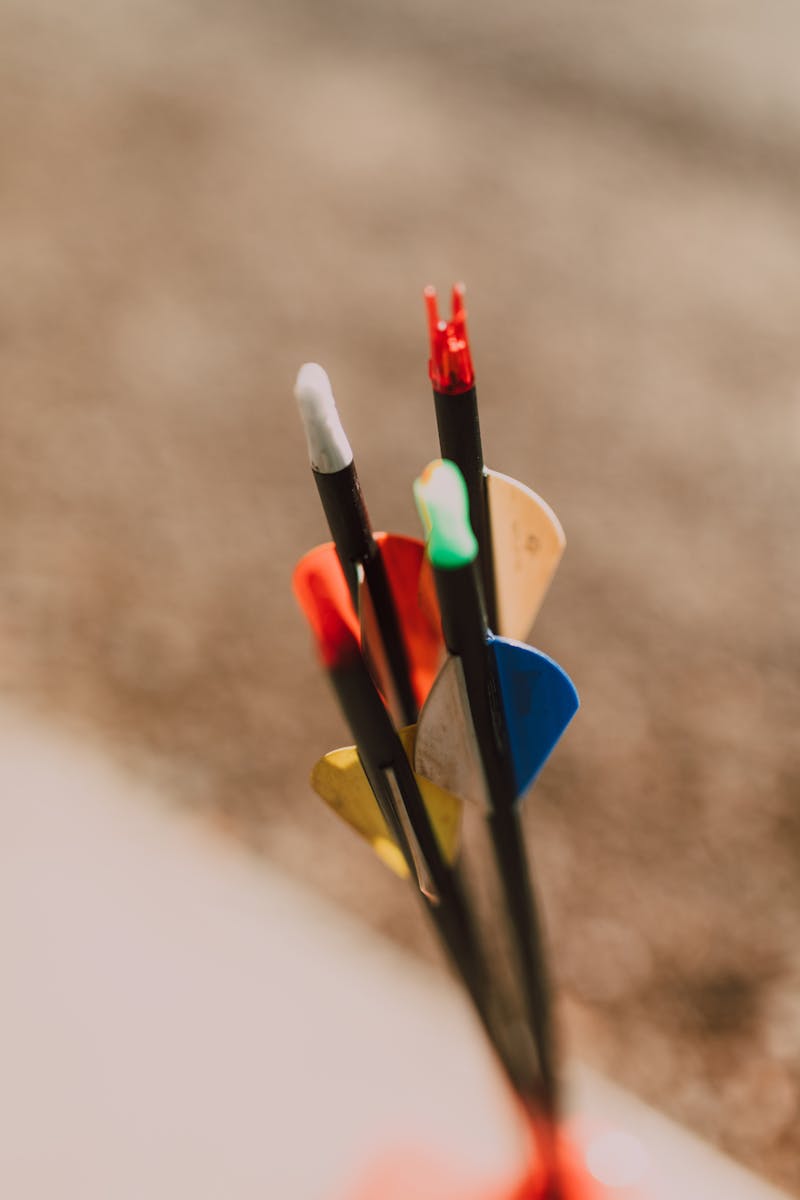
Both materials are sold in straightness tiers measured in thousandths of an inch of total runout. Cheap shafts run ±0.006″. Mid-tier shafts run ±0.003″. Top-tier competition shafts (Easton X10, Easton ProTour, Gold Tip Pierce Tour) run ±0.001″.
Aluminum’s homogeneous structure makes high straightness ratings cheaper to produce. A ±0.001″ Easton X7 costs less than a ±0.001″ carbon match shaft. That is one reason aluminum still dominates indoor target archery, where two-millimeter line cuts decide tournaments.
For spine consistency along the length of the shaft, modern premium carbon has caught up and arguably surpassed aluminum. Carbon also recovers from paradox flex faster, which is why outdoor target shooters at long ranges (50m, 70m, 90m) overwhelmingly shoot carbon — even though it costs more.
Cost: What You Are Actually Paying For
Sticker prices have converged more than most archers realize. As of 2026:
- Entry aluminum (Easton Tribute, Genesis): $60–$90 per dozen.
- Premium aluminum (Easton X7, Easton XX75 Platinum Plus): $130–$180 per dozen.
- Entry carbon (Gold Tip Warrior, Easton Bloodline): $80–$110 per dozen.
- Mid-tier carbon (Gold Tip Hunter XT, Easton Axis 5MM): $130–$170 per dozen.
- Premium carbon (Easton X10, ProTour, Gold Tip Pierce Tour): $300–$500 per dozen.
The lifetime cost picture flips the math. If you shoot 3D or hunt rough country, you will replace damaged aluminum at 2–3× the rate of equivalent carbon. The cheaper-per-dozen aluminum becomes the more expensive choice over a season.
Carbon vs Aluminum for Hunting
Hunting overwhelmingly favors carbon. Reasons in order of importance:
- Field durability. A pass-through into a hardwood backstop is normal in tree-stand season. Carbon survives that; aluminum kinks.
- Speed and trajectory. The flatter arc of a 410-grain carbon makes range estimation errors more forgivable inside 40 yards.
- Weather behavior. Carbon does not corrode. Aluminum left in a wet quiver for a week will pit at the insert seam.
- Broadhead tuning. Stiffer carbon shafts paddle less in flight, which makes fixed-blade broadheads quieter to tune.
The exception is heavy big-game hunting (elk, moose, African plains game), where many shooters now run aluminum-carbon hybrid arrows like the Easton Full Metal Jacket or Gold Tip KINETIC Pierce Platinum. The aluminum jacket adds front-of-center mass for penetration without surrendering carbon’s straightness and recovery.
Carbon vs Aluminum for Target Archery
Indoor Target (18m / 25m)
Aluminum still wins here, and the reason is geometry. At 18 meters every fraction of a millimeter on the line matters. Big-diameter aluminum shafts (Easton X7 Eclipse, XX75 2613, 2712) cut more lines than slim hunting carbons. World Archery and many national federations cap maximum shaft diameter at 9.3mm specifically because fat aluminum shafts dominated the scoring tape.
Outdoor Target (50m / 70m / 90m)
Carbon dominates outdoor competition. Slim diameter cuts wind drift, lighter weight extends maximum range, and modern premium carbons hold tighter spine tolerances under tournament heat-cycles than aluminum. Top-tier shafts here are the Easton X10, Easton ProTour, and Gold Tip Pierce Tour.
3D and Field Archery
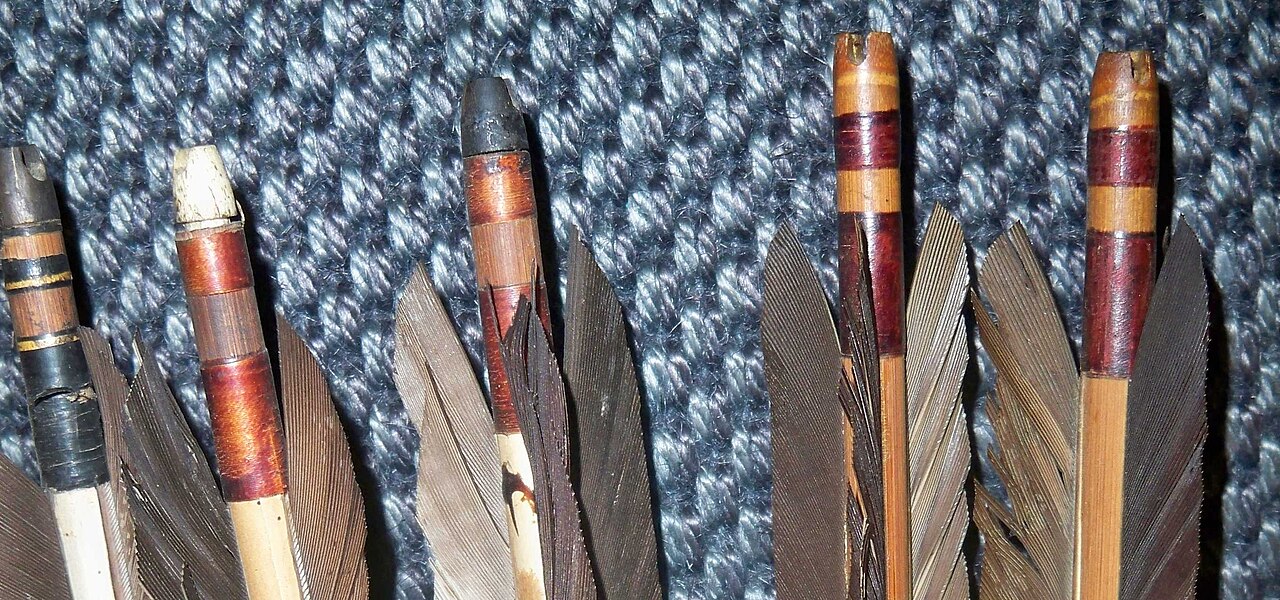
3D events on uneven ground with foam animal targets favor carbon for the same reason hunting does: misses hit dirt, rocks, and tree roots, and aluminum simply does not survive the season. The only competitive aluminum still seen on serious 3D ranges is in the hands of barebow shooters who want a slower, heavier arrow that drops predictably between paced ranges.
Aluminum-Carbon Hybrids: The Third Option
Hybrid arrows wrap a carbon core in a thin aluminum sleeve. The result combines carbon’s stiffness and recovery with aluminum’s mass and outer diameter consistency. Marquee hybrids in 2026:
- Easton Full Metal Jacket (FMJ): The original. Carbon core, 7075 aluminum jacket, premium hunting choice for elk and moose hunters.
- Gold Tip KINETIC Pierce Platinum: Tight ±0.001″ straightness, heavy GPI option for deep penetration.
- Black Eagle Carnivore: Mid-priced hybrid that competes with FMJ at slightly lower cost.
Hybrids are not better at everything — they are heavier than pure carbon and pricier than pure aluminum. Buy them only if your specific use case rewards both mass and durability.
Maintenance and Inspection
Carbon and aluminum require different inspection routines, and skipping either is how shafts fail at the worst moments.
Carbon Inspection (Every Shot Session)
- Flex test the shaft 4–6 inches in from each end. Listen for cracking, watch for daylight in the weave.
- Twist the insert and nock by hand. If either rotates, replace.
- Inspect for splinters where fletching meets shaft after a hard quiver impact.
Aluminum Inspection (Every Shot Session)
- Roll the shaft across a flat surface — any wobble is a kink.
- Check for puncture dents at the insert and nock seams.
- Inspect for corrosion or pitting if the arrow has been wet.
Spine Charts and Cross-Material Substitution
One mistake new archers make: assuming an aluminum and carbon arrow with the same numerical spine will fly identically. They will not. Aluminum spine numbers (e.g. 2315) describe diameter and wall thickness. Carbon spine numbers (e.g. 340, 400) describe deflection under a 1.94-pound load over 28 inches.
Always pull the spine chart published by the specific arrow manufacturer for your bow’s draw weight and arrow length. Easton publishes free shaft selection charts; Gold Tip and Black Eagle do as well. Mixing materials without re-tuning is a recipe for paper-tear nightmares and broadhead flight that does not group with field points.
Which Should You Buy in 2026?
A simple decision tree:
- Hunting whitetail, hog, mule deer: Mid-tier carbon (Easton Axis 5MM, Gold Tip Hunter XT).
- Hunting elk, moose, big-bodied game: Carbon-aluminum hybrid (Easton FMJ, Gold Tip KINETIC Pierce).
- Indoor target league, 18m/25m: Premium aluminum (Easton X7 Eclipse).
- Outdoor target, 50m+: Premium carbon (Easton X10, ProTour, Gold Tip Pierce Tour).
- 3D archery, IBO/ASA: Mid-tier carbon, often with custom point weights.
- Beginner recurve, traditional, weekend backyard plinking: Entry aluminum (Easton Tribute) or budget carbon (Gold Tip Warrior).
- Youth and Genesis programs: Aluminum, almost always — easier inspection, more forgiving when dropped.
Common Carbon vs Aluminum Mistakes
- Skipping the carbon flex test. A microcrack invisible to the eye can shatter the shaft into your bow hand on release. Flex every carbon arrow before every session.
- Reusing bent aluminum. A 0.010″ runout shaft will plane in flight and group 4–6 inches off your point of aim at 30 yards.
- Mixing materials without re-tuning. Switching from a 13 GPI aluminum to a 9 GPI carbon changes dynamic spine, FOC, and timing. Re-paper-tune any time you switch shafts.
- Buying for spec sheet, not use case. A ±0.001″ target shaft is wasted on a hunter who loses two arrows a season to rocks. A ±0.006″ hunter shaft is wasted on an indoor leaguer chasing a 300 round.
Bottom Line
The carbon vs aluminum arrows debate has a clear modern answer for most archers: carbon is the right default for compound hunters, 3D shooters, and outdoor target archers. Aluminum still owns indoor target lanes and youth programs. Hybrids fill the niche where you need both mass and stiffness. Match the shaft to how you actually shoot — not to a forum thread or a marketing claim — and your groups, your scores, and your wallet will all thank you in 2026.
Sources
- Easton Archery — official shaft selection charts and material specifications
- Gold Tip — carbon and hybrid arrow specifications
- Easton Technical Bulletin Episode 7: Carbon vs Aluminum Arrows
- Lancaster Archery Supply — current 2026 pricing and product catalog
- World Archery — equipment rules and shaft diameter regulations
- Bowhunting.com — Aluminum vs Carbon for Crossbows
