
Archery Blog
Arrow Spine Chart: Complete Guide to Selecting Perfect Arrow Spine
Mar
Understanding arrow spine charts is crucial for archery accuracy, whether you’re shooting a compound bow, recurve bow, or traditional bow. An arrow spine chart helps you match your arrows to your specific bow setup, ensuring consistent flight patterns and improved accuracy. In this comprehensive guide, we’ll break down everything you need to know about arrow spine selection and how to use spine charts effectively.
What is Arrow Spine and Why Does It Matter?
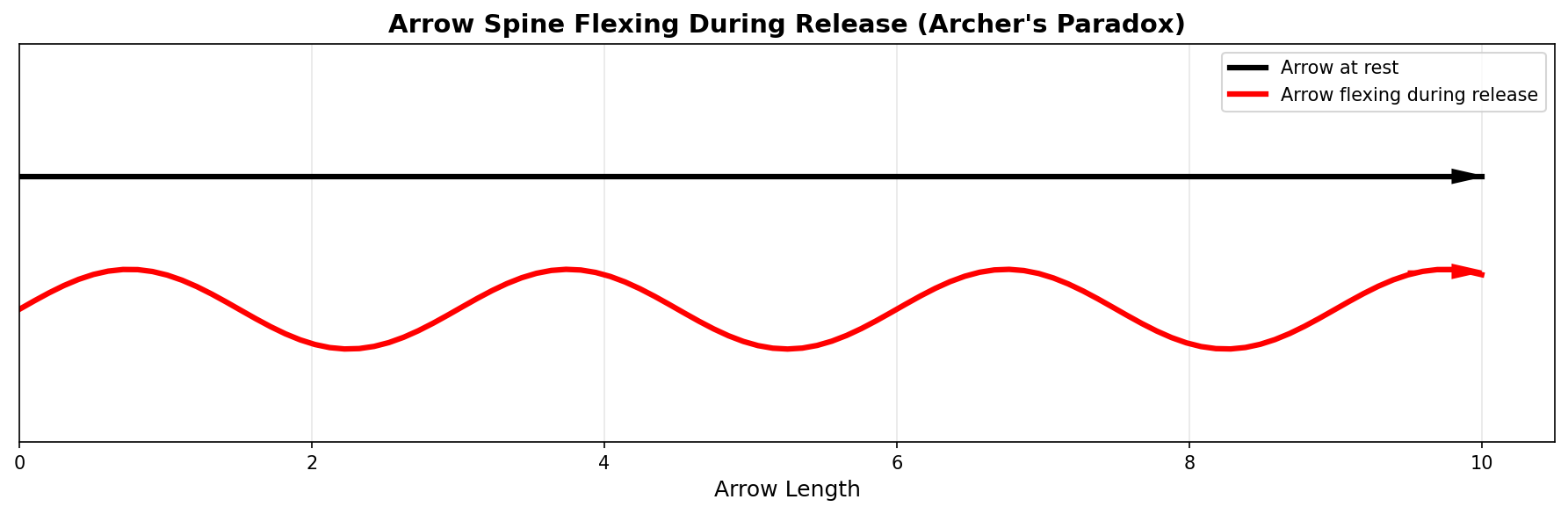
Arrow spine refers to the stiffness measurement of an arrow shaft. When you release an arrow, it flexes or bends as it leaves the bowstring due to the force applied. This flexing behavior is called the archer’s paradox, and proper spine selection ensures your arrows flex the correct amount for optimal flight.
The spine rating system uses numbers where lower numbers indicate stiffer arrows. For example, a 300 spine arrow is stiffer than a 400 spine arrow, which is stiffer than a 500 spine arrow. This standardized system helps archers compare different arrow models across manufacturers. Understanding this fundamental concept is essential for anyone serious about improving their archery accuracy and consistency.
How Arrow Spine is Measured
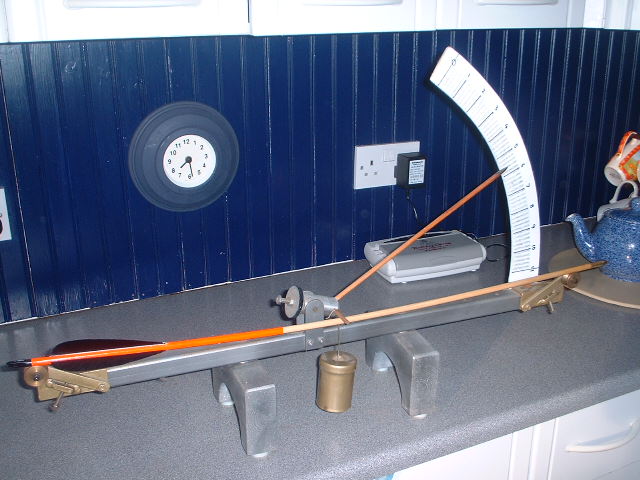
Arrow manufacturers use static spine testing to determine spine ratings. During this process, a 29-inch arrow shaft is supported at two points exactly 28 inches apart. An 880-gram weight (1.94 pounds) is suspended from the center of the shaft, causing it to deflect downward.
The measurement of this deflection in inches, multiplied by 1000, gives the spine rating. So an arrow that deflects 0.400 inches under this test receives a 400 spine rating. This standardized testing method ensures consistency across different arrow brands and models.
Leading arrow manufacturers like Easton Archery have refined this testing process over decades to provide precise measurements. The static spine test, while not perfect for predicting real-world performance, gives archers a reliable baseline for comparison shopping and initial selection.
Understanding Dynamic vs Static Spine
While static spine provides the baseline measurement, dynamic spine describes how an arrow actually behaves when shot from your bow. Dynamic spine is influenced by several factors beyond the shaft’s static rating, making it the more important consideration for practical archery applications.
The relationship between static and dynamic spine becomes complex when you consider that identical arrows can behave differently depending on the bow setup. This is why experienced archers often emphasize the importance of testing rather than relying solely on charts.
Factors Affecting Dynamic Spine:
- Draw weight – Higher draw weights require stiffer arrows to achieve proper flex
- Arrow length – Longer arrows act softer, shorter arrows act stiffer due to physics
- Point weight – Heavier points make arrows act softer by increasing front-end load
- String weight and serving – Affects energy transfer and release characteristics
- Bow efficiency and cam design – Modern aggressive cams deliver energy differently
- Release style – Fingers vs mechanical release affects how energy transfers
- Arrow material – Carbon, aluminum, and wood all respond differently to stress
How to Read an Arrow Spine Chart
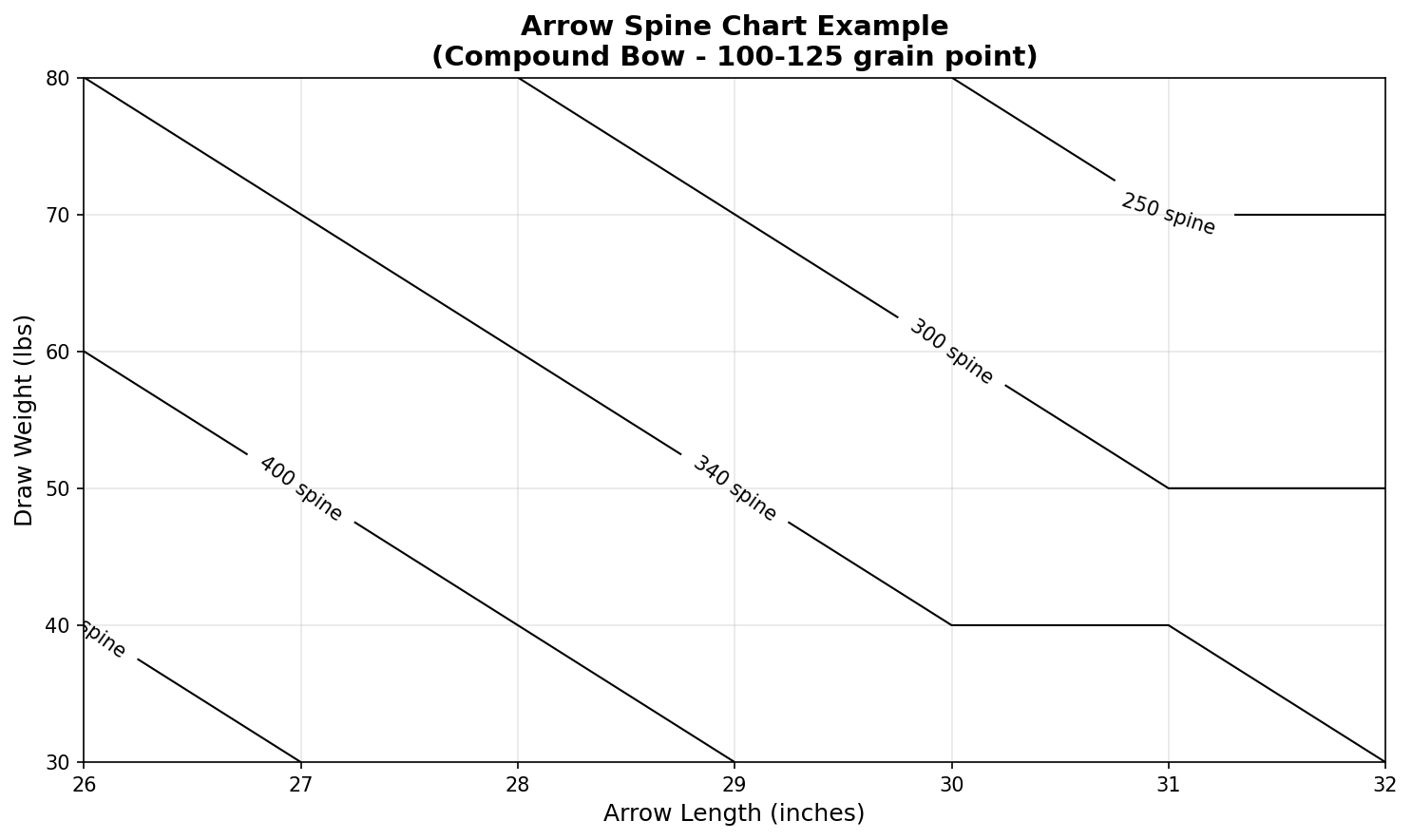
Arrow spine charts provide recommended spine values based on your bow setup. Most charts organize information in a grid format with draw weight on the vertical axis and arrow length on the horizontal axis. Here’s how to use them effectively for consistent results:
Step 1: Measure Your Draw Weight
Use a bow scale to measure your actual peak draw weight. Don’t rely on your bow’s stated poundage, as this can vary significantly from actual measurements. Many compound bows lose 2-5 pounds over time due to string stretch and limb settling.
Step 2: Determine Arrow Length
Measure from the nock groove to the end of the cut shaft (not including the point). This is your actual arrow length, not your draw length. Many archers confuse these measurements, leading to poor spine selection.
Step 3: Consider Point Weight
Most charts assume a 100-125 grain point. Heavier points require stiffer spines, while lighter points may allow softer spines. This becomes critical for broadhead hunters who often use 125-150 grain heads.
Step 4: Find the Intersection
Locate where your draw weight and arrow length intersect on the chart. This gives your recommended spine range. Remember, this is a starting point—real-world testing may require adjustments.
Arrow Spine Chart for Compound Bows
Compound bows typically require precise spine matching due to their efficiency and consistent energy delivery. Modern compound bows with aggressive cam systems may need slightly stiffer spines than traditional charts suggest. The mechanical advantage and energy storage of compound bows creates unique challenges for spine selection.
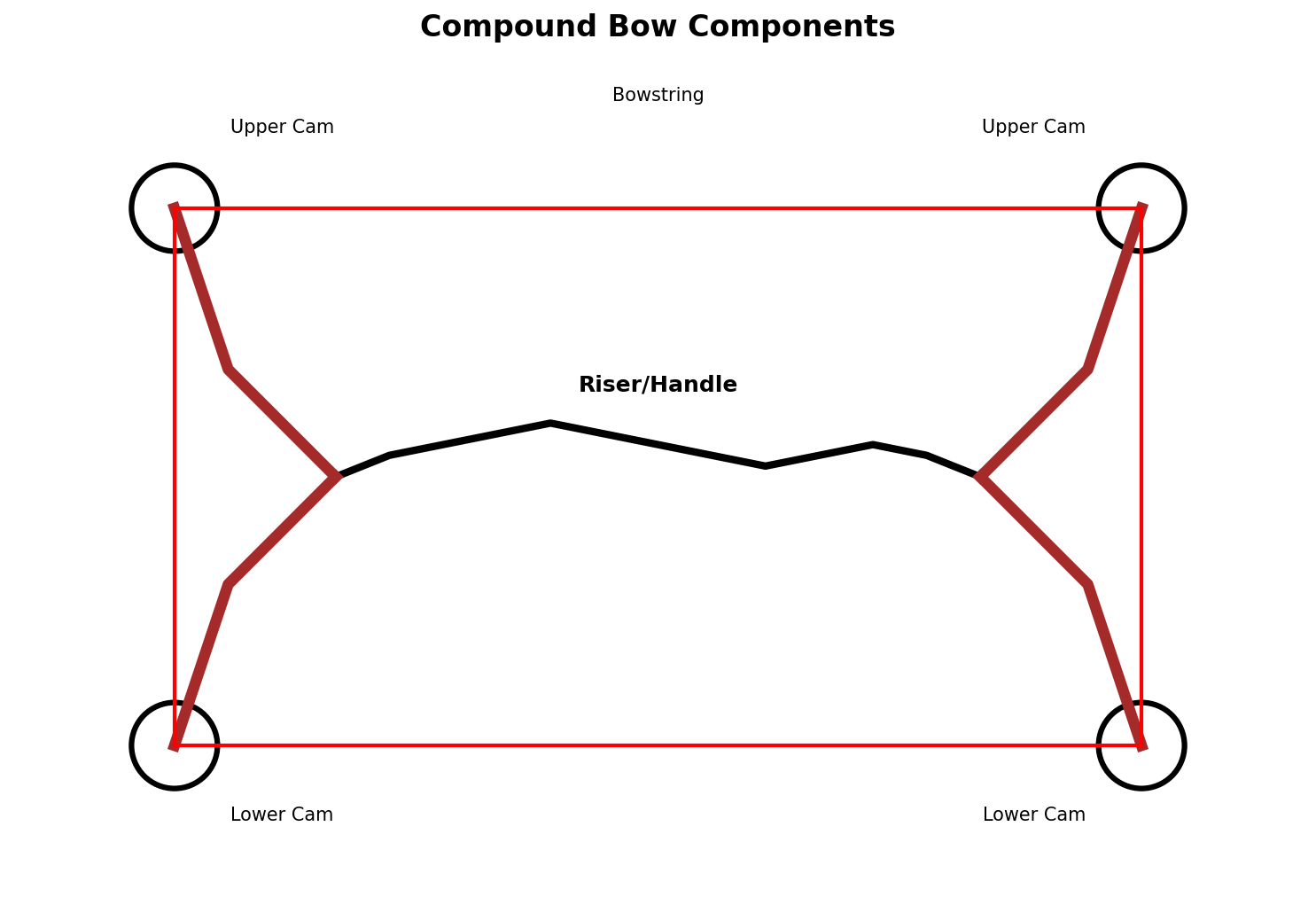
The cam design significantly affects how energy transfers to the arrow. Binary cams, hybrid cams, and single cams all deliver energy differently, potentially affecting spine requirements. Additionally, modern bows often feature let-off percentages of 75-90%, creating a different energy profile than older designs.
Common Compound Bow Spine Ranges:
- 600-500 spine: Light draw weights (25-45 lbs), longer arrows, youth/beginner setups
- 400-340 spine: Medium draw weights (45-65 lbs), average length, most common range
- 300-250 spine: Heavy draw weights (65+ lbs), shorter arrows, hunting applications
- 200-150 spine: Very heavy draw weights (80+ lbs), competition setups, speed bows
For competitive target archery, many shooters prefer slightly stiffer spines for better consistency at longer distances. The World Archery Federation has extensively studied arrow flight characteristics, and their research shows that proper spine selection can improve group sizes by 15-20% at distances beyond 50 meters.
Arrow Spine Chart for Recurve Bows
Recurve bows often forgive slight spine variations better than compound bows, but proper spine selection remains important for consistent accuracy. Traditional archers shooting off the shelf may need slightly different spine recommendations than those using elevated rests.
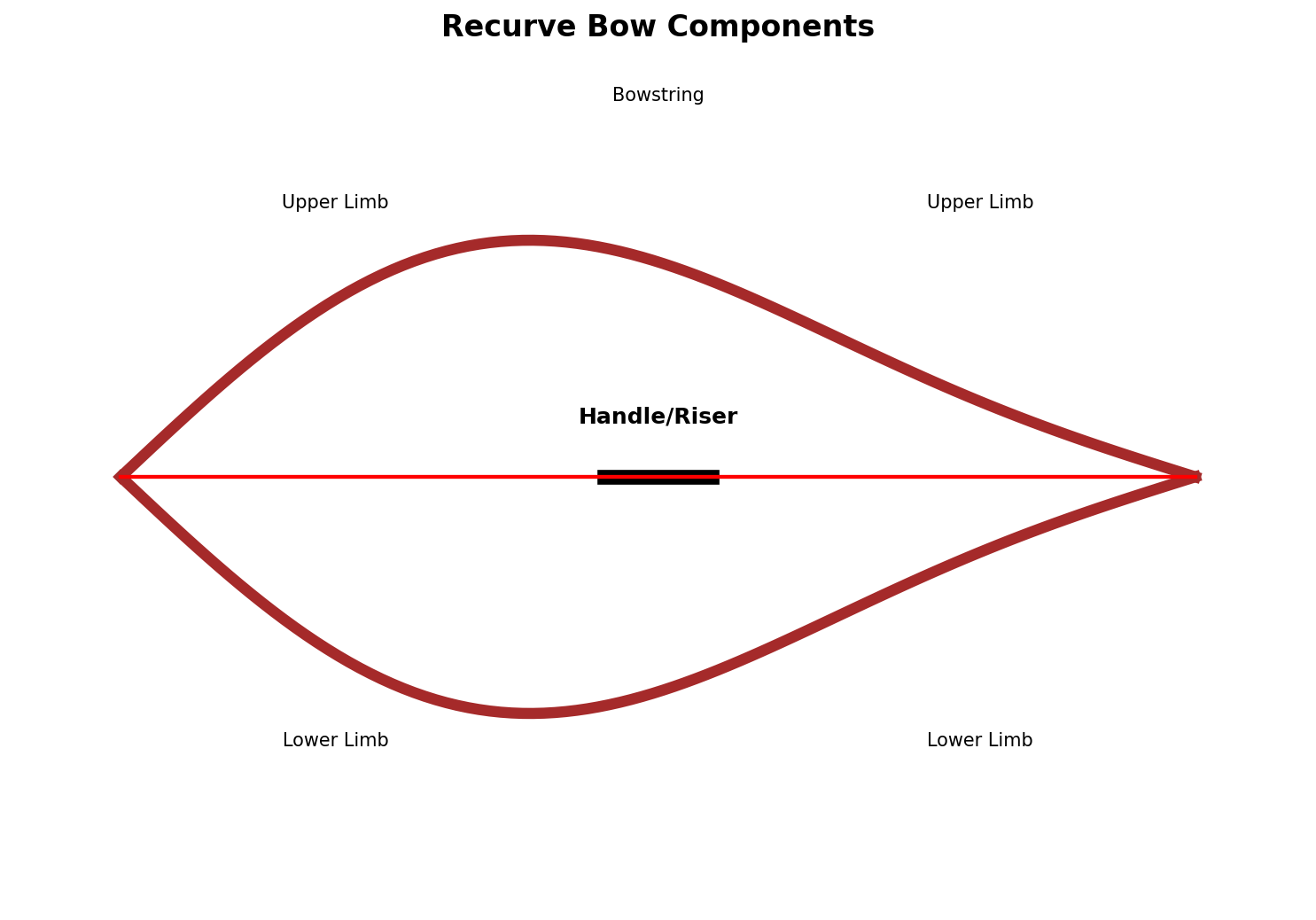
Recurve bow spine selection must account for the center shot of the bow. Bows cut closer to center shot can use slightly stiffer arrows, while bows with significant positive tiller may require softer spines to compensate for the lateral arrow deflection. The traditional “paradox” effect is more pronounced with recurve bows, making proper tuning essential.
Olympic recurve archers typically use very precise spine selections, often within 5-10 spine units of the ideal measurement. This precision becomes increasingly important at international competition distances of 70 meters, where small variations in arrow flight can mean the difference between medals and elimination.
Traditional Bow Arrow Spine Considerations
Traditional archery including longbows and self bows presents unique spine selection challenges. These bows lack modern accessories like adjustable rests and plungers, making proper spine selection even more critical for consistent performance.
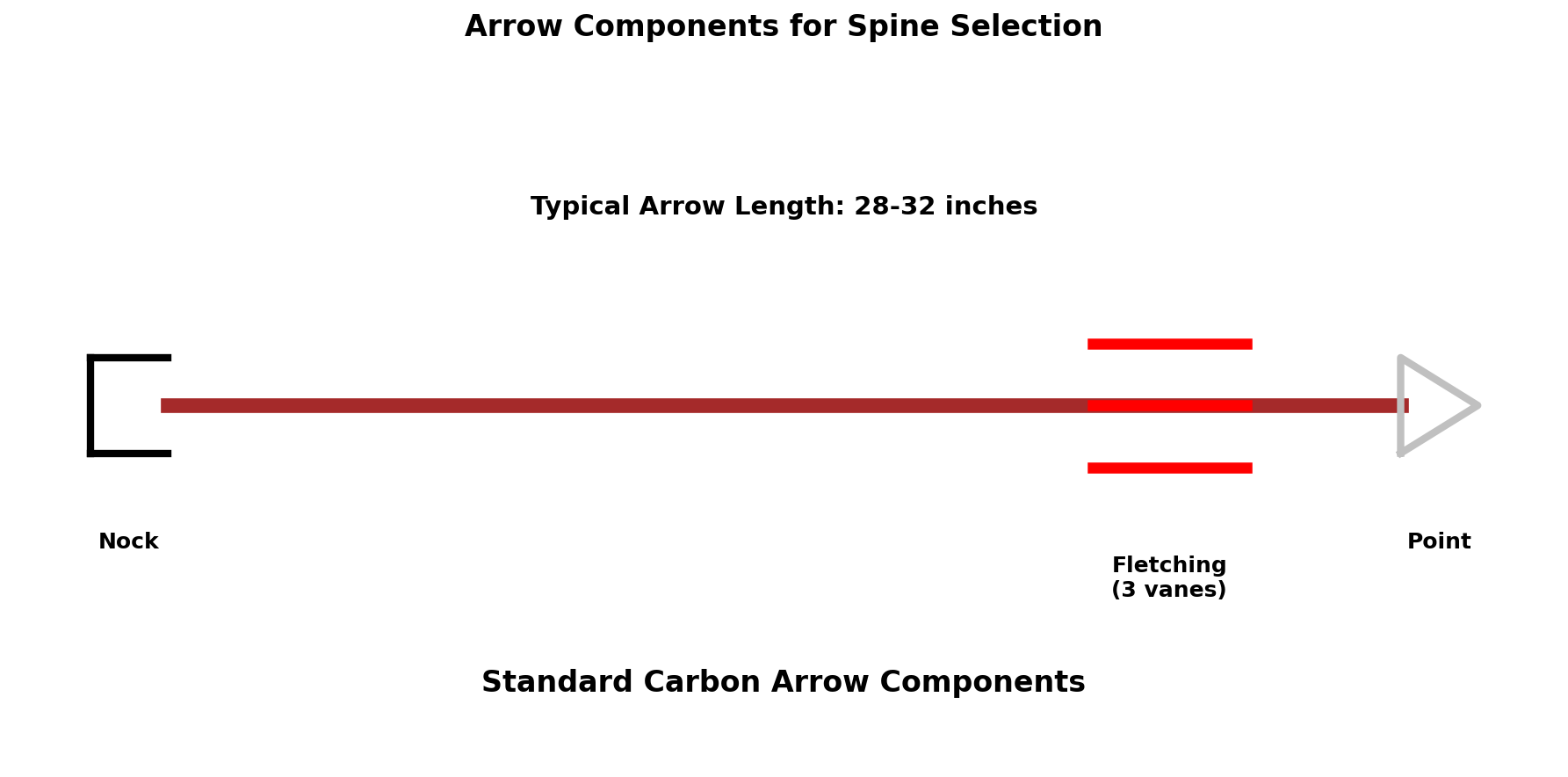
Traditional archery often involves shooting arrows directly off the bow shelf, creating additional variables in spine selection. The archer’s paradox becomes more pronounced, and proper spine selection helps the arrow clear the bow cleanly during the critical first few inches of flight.
Traditional Bow Spine Factors:
- Bow design and handle cut – Affects how the arrow sits on the shelf
- Arrow rest type (shelf shooting vs elevated) – Changes the arrow’s departure angle
- Shooting style (instinctive vs gap shooting) – Different techniques may benefit from different spine characteristics
- Arrow material (wood, carbon, aluminum) – Each material flexes differently and has unique characteristics
- Fletching type and size – Traditional feathers behave differently than modern vanes
- String material – Traditional strings stretch differently than modern materials
Common Arrow Spine Chart Mistakes
Many archers make critical errors when using arrow spine charts, leading to poor arrow flight and reduced accuracy. These mistakes often stem from misunderstanding how the various factors interact to affect dynamic spine behavior.
Estimating Instead of Measuring:
Guessing your draw weight or arrow length leads to incorrect spine selection. Always use precise measurements for best results. A difference of just 2-3 pounds in draw weight or half an inch in arrow length can push you into a different spine category.
Ignoring Point Weight:
Using significantly heavier or lighter points than the chart assumes requires spine adjustments. Add 25-50 spine numbers for every 25 grains above standard point weight. Bowhunters switching from field points to broadheads often encounter this issue.
Not Accounting for Bow Efficiency:
Modern, efficient bows may require slightly stiffer arrows than older designs with similar draw weights. High-performance compound bows can deliver energy more efficiently, effectively making arrows behave softer than expected.
Using Wrong Manufacturer Charts:
Spine ratings can vary between manufacturers. Always use the specific chart for your chosen arrow brand. A 400 spine from one manufacturer may not match a 400 spine from another due to different testing methods or tolerances.
Forgetting About Environmental Factors:
Temperature, humidity, and altitude can all affect arrow flight characteristics. What works perfectly at sea level may not perform the same at high altitude hunting locations.
Fine-Tuning Arrow Spine Selection
Arrow spine charts provide starting points, but fine-tuning ensures optimal performance. Paper tuning and bare shaft testing help verify proper spine selection and identify needed adjustments. These testing methods reveal how your specific setup affects arrow flight.
Paper tuning involves shooting arrows through a large sheet of paper at close range (3-6 feet) to observe the tear pattern. The shape and direction of the tear reveals whether your arrows are properly spined for your setup. This method, pioneered by competitive archers in the 1970s, remains one of the most reliable tuning techniques available.
Paper Tuning Results:
- Perfect bullet hole: Correct spine – arrow passes cleanly through paper
- Tail right tear (RH shooter): Arrow too stiff, try softer spine or adjust rest position
- Tail left tear (RH shooter): Arrow too soft, try stiffer spine or reduce point weight
- High/low tears: Usually rest or nocking point issues rather than spine problems
- Diagonal tears: Combination of spine and vertical tuning issues
Bare shaft tuning provides another verification method. Shooting fletched arrows alongside bare shafts at 20-30 yards reveals spine issues. Properly spined bare shafts should impact very close to fletched arrows at these distances. This technique is particularly valuable for bowhunting applications where broadhead flight is critical.
Adjusting Spine Without Changing Arrows
Sometimes you can modify your existing arrows’ dynamic spine without purchasing new shafts. These adjustments can save money and help you optimize arrows you already own, though there are limits to how much you can change dynamic spine through modifications.
To Make Arrows Act Stiffer:
- Reduce point weight – Drop from 125 to 100 grains, for example
- Shorten arrow length (cut from nock end) – Each inch removed increases stiffness significantly
- Decrease draw weight – Lower bow poundage reduces stress on the shaft
- Use lighter fletching – Reduce weight at the back of the arrow
- Move to a lighter bowstring – Reduces energy transfer efficiency
To Make Arrows Act Softer:
- Increase point weight – Add weight inserts or use heavier broadheads
- Use longer arrows – Increased length reduces effective stiffness
- Increase draw weight – More energy stresses the shaft more
- Add weight to arrow shaft – Use weighted inserts or wraps
- Move to a faster, more efficient bowstring – Increases energy transfer
Modern Arrow Materials and Spine Consistency
Today’s carbon and aluminum arrows offer superior spine consistency compared to traditional wood arrows. Leading manufacturers like Easton, Gold Tip, and Carbon Express maintain tight spine tolerances, typically within ±5 spine units. This consistency allows archers to build matched sets that perform identically.
Carbon arrows provide several advantages for spine consistency:
- Uniform material density – No natural variations like wood grain
- Precise manufacturing tolerances – Computer-controlled production processes
- Resistance to warping and bending – Maintains spine over time
- Consistent spine across arrow batches – Reliable replacement arrows
- Temperature stability – Less affected by weather changes than wood
- Straightness retention – Remains straight even after impacts
Modern manufacturing techniques use automated quality control systems that can detect spine variations as small as 2-3 units. This precision manufacturing has revolutionized competitive archery, where consistency is paramount for success at the highest levels.
Specialty Applications and Spine Selection
Different archery disciplines may require specific spine considerations beyond basic chart recommendations. Understanding these applications helps optimize arrow selection for your particular needs.
3D Archery:
3D competitions often require pinpoint accuracy at varying distances and angles. Slightly stiffer spines may provide better downrange consistency, especially in windy conditions. The unknown distance element of 3D archery puts premium on arrows that maintain consistent trajectory characteristics.
Hunting Applications:
Bowhunting arrows need reliable flight with broadheads. Many hunters choose slightly stiffer spines to handle the additional steering forces created by fixed-blade broadheads. The larger surface area of hunting arrows (broadheads and potentially larger fletching) can affect spine requirements compared to target arrows.
Target Archery:
Target archers prioritize ultimate accuracy and may use spine selection to optimize groups at specific distances. Field points allow for more precise spine tuning than hunting setups, and many competitive archers use different arrow setups for indoor vs outdoor competition.
Spine Selection for Different Arrow Lengths
Arrow length significantly impacts spine selection, with each inch of length change typically requiring approximately 25-50 spine units adjustment. Longer arrows need stiffer static spines to achieve proper dynamic spine, while shorter arrows can use softer static spines. This relationship is based on fundamental physics principles governing beam deflection.
This relationship becomes critical when cutting arrows to length. Always consult spine charts after determining final arrow length rather than before cutting. Many archers make the mistake of selecting spine based on draw length alone, then cutting arrows shorter and ending up with overly stiff shafts.
Professional arrow builders often use precise formulas to calculate the spine changes needed when cutting arrows to non-standard lengths. These calculations consider not just the length change but also the taper profile of the arrow shaft.
Temperature and Environmental Effects
Environmental conditions can slightly affect arrow spine behavior. Cold temperatures can make carbon shafts act slightly stiffer, while extreme heat may cause slight softening. These effects are usually minimal but may be noticeable in precision shooting applications where every detail matters.
Altitude changes also affect arrow flight through reduced air density, though this impacts trajectory more than spine requirements. However, the combination of altitude, temperature, and humidity can create measurable differences in arrow performance for serious competitors.
Research conducted by arrow manufacturers shows that temperature variations of 50-60 degrees Fahrenheit can change effective spine by 5-10 units. While this seems small, it can be significant enough to affect precision at longer distances.
Building Your Perfect Arrow Setup
Creating the ideal arrow setup requires balancing multiple factors beyond just spine selection. Understanding how these elements work together helps optimize overall arrow performance for your specific application.
Total Arrow Weight:
Most bow manufacturers recommend minimum arrow weights (typically 5-8 grains per pound of draw weight) to prevent damage. Heavier arrows often provide better penetration and quieter flight, but may sacrifice speed. Finding the right balance depends on your priorities and intended use.
Front of Center (FOC):
Proper weight distribution affects both flight stability and penetration. Most setups benefit from 10-15% FOC, achieved through proper point weight selection. Hunting applications may benefit from higher FOC percentages for better penetration, while target archery often uses lower FOC for flatter trajectory.
Fletching Choice:
Vanes and feathers affect arrow stability and spine requirements. Larger fletching provides more stability but may require slight spine adjustments due to increased drag and weight. The choice between vanes and feathers also affects how the arrow responds to crosswinds.
Component Compatibility:
Nocks, inserts, and points must be properly matched to the arrow shaft. Mismatched components can create weak points or affect balance, potentially changing spine characteristics or causing failures.
Professional Arrow Building Considerations
Professional arrow builders use advanced techniques and equipment to ensure optimal spine matching and arrow performance. These methods go beyond basic chart recommendations to achieve maximum precision.
Spine testing equipment allows builders to measure the actual spine of individual arrows, sorting them into perfectly matched groups. This process ensures that competition arrows perform identically, eliminating one variable in the pursuit of perfect accuracy.
Weight matching is another critical factor. Professional arrow sets are typically matched to within 1-2 grains total weight, requiring careful selection and modification of components. This level of precision is essential for competitive success at the highest levels.
Perfect arrow spine selection forms the foundation of accurate archery. By understanding how to properly read and apply arrow spine charts, measuring your equipment precisely, and fine-tuning through testing, you can achieve optimal arrow flight for any archery application. Remember that spine charts provide starting points—always verify performance through actual shooting and be prepared to make minor adjustments for your specific setup.
Whether you’re shooting compound bows for hunting, recurve bows for target archery, or traditional bows for the pure joy of the sport, proper arrow spine selection will dramatically improve your accuracy and consistency. Take time to measure carefully, consult the appropriate charts, and test thoroughly for the best results. The investment in proper spine selection pays dividends in improved performance and shooting confidence.
Browse archery bows, arrows, and accessories at the Archery Supplier shop →
