
Archery Blog
2026 Elk Archery Season Regulations | State-by-State Changes Every Bowhunter Must Know
Mar
Spring application deadlines are closing fast across the West, and if you haven’t reviewed the 2026 elk archery regulations yet, you’re already behind. Montana, Colorado, and Idaho have all rolled out significant rule changes this cycle — boundary shifts, quota adjustments, weapon clarifications, and draw system overhauls that will directly affect where you can hunt, what tags you can draw, and how you plan your fall season.
This isn’t a minor regulatory housekeeping year. Multiple states are responding to shifting herd dynamics, overcrowding in popular archery units, and growing nonresident pressure on limited resources. Whether you’re a resident hunter banking preference points or an out-of-state applicant weighing your options, here’s everything you need to know before submitting your 2026 applications.
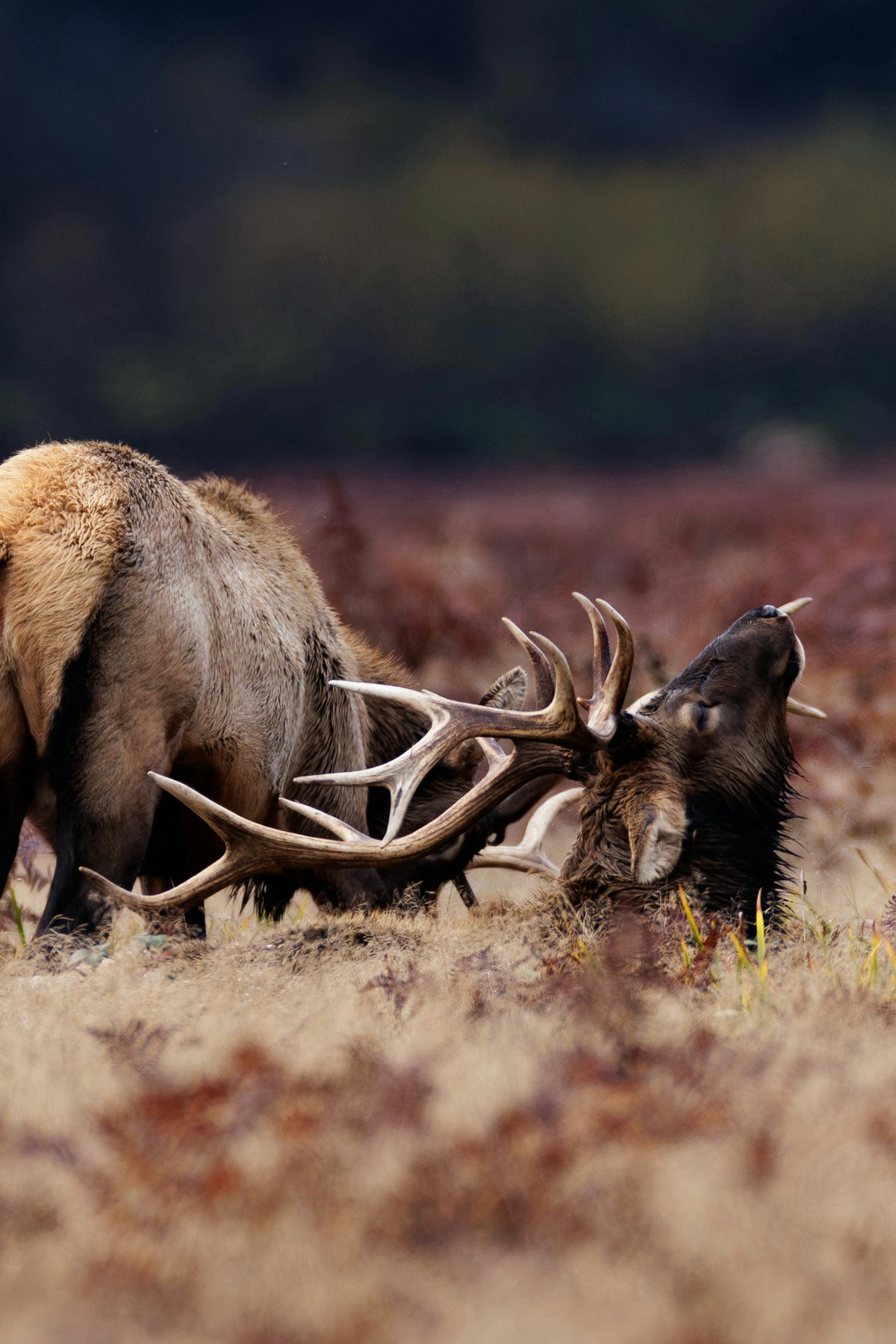
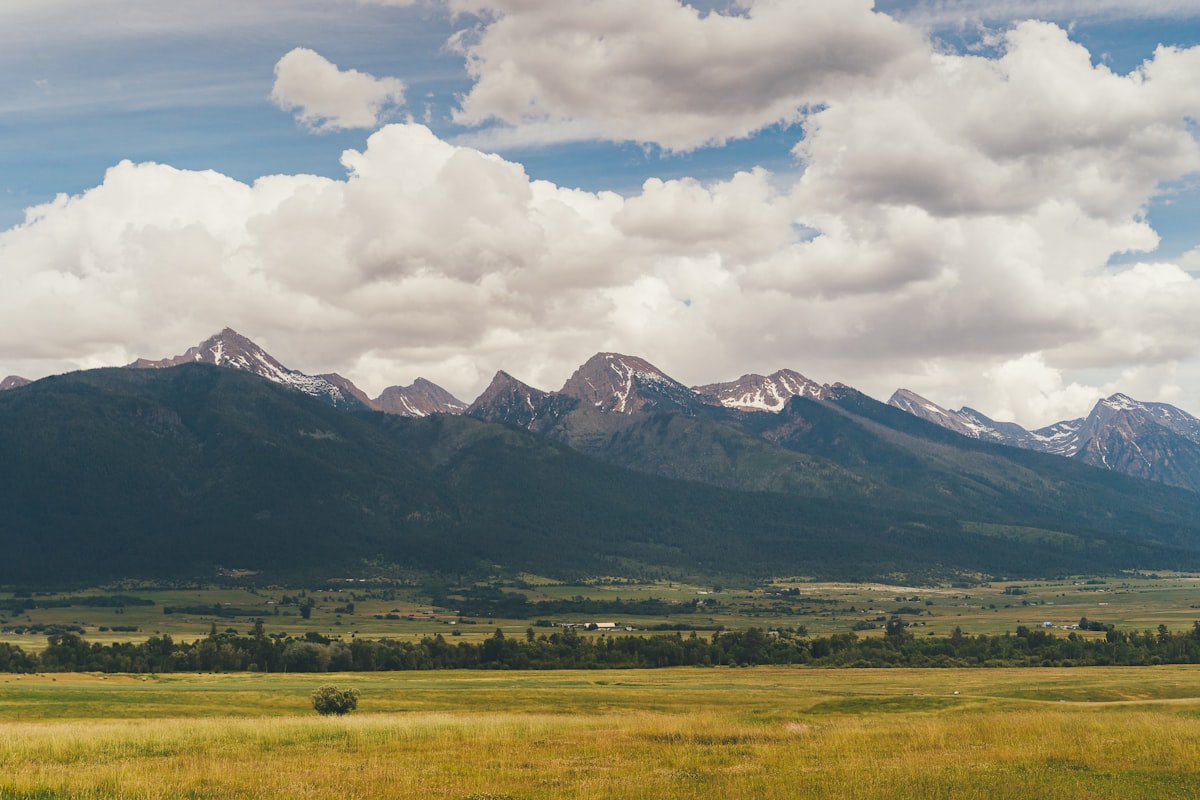
Montana: Boundary Shifts, Quota Cuts, and New Access
Montana Fish, Wildlife & Parks has made some of the most consequential changes this year. If you’ve been applying for elk districts in southwest or central Montana, your target unit may look different on the 2026 map.
FWP has adjusted hunting district boundaries in the Madison Valley, upper Ruby River corridor, and portions of the Musselshell drainage. The southern portion of what was previously District 302 has been split into a new District 302A with its own separate quota and draw odds. Parts of District 454 along the upper Ruby have expanded westward to capture additional drainages that previously fell under adjacent general units.
This matters for point builders. If you’ve been banking preference points for a specific district, a boundary shift could change what herd unit your application actually covers. Thirty minutes on the phone with your regional FWP office now saves a season of frustration in September.
Montana Quota Changes at a Glance
Quota reductions hit hardest in districts where cow-calf ratios have trended below management objectives. District 281 in the Blackfoot-Clearwater dropped from 75 antlerless B licenses in 2025 to just 55 in 2026. District 446 in the Big Belts went from 40 permits down to 28 — a 30 percent cut.
On the other end, eastern Montana’s Missouri Breaks country is looking better. District 704 jumped from 150 to 200 permits, and District 745 near the Charles M. Russell National Wildlife Refuge went from 80 to 110. Draw odds in these units have historically ranged from 40 to 65 percent for applicants with zero or one preference point, making them viable alternatives to the hypercompetitive western units.
Montana’s spring elk license drawing deadline typically falls in early April. Download the 2026 Montana Elk Hunting Regulations booklet at fwp.mt.gov and cross-reference any target district against last year’s maps.
Weapon Clarifications for Compound Bow Hunters
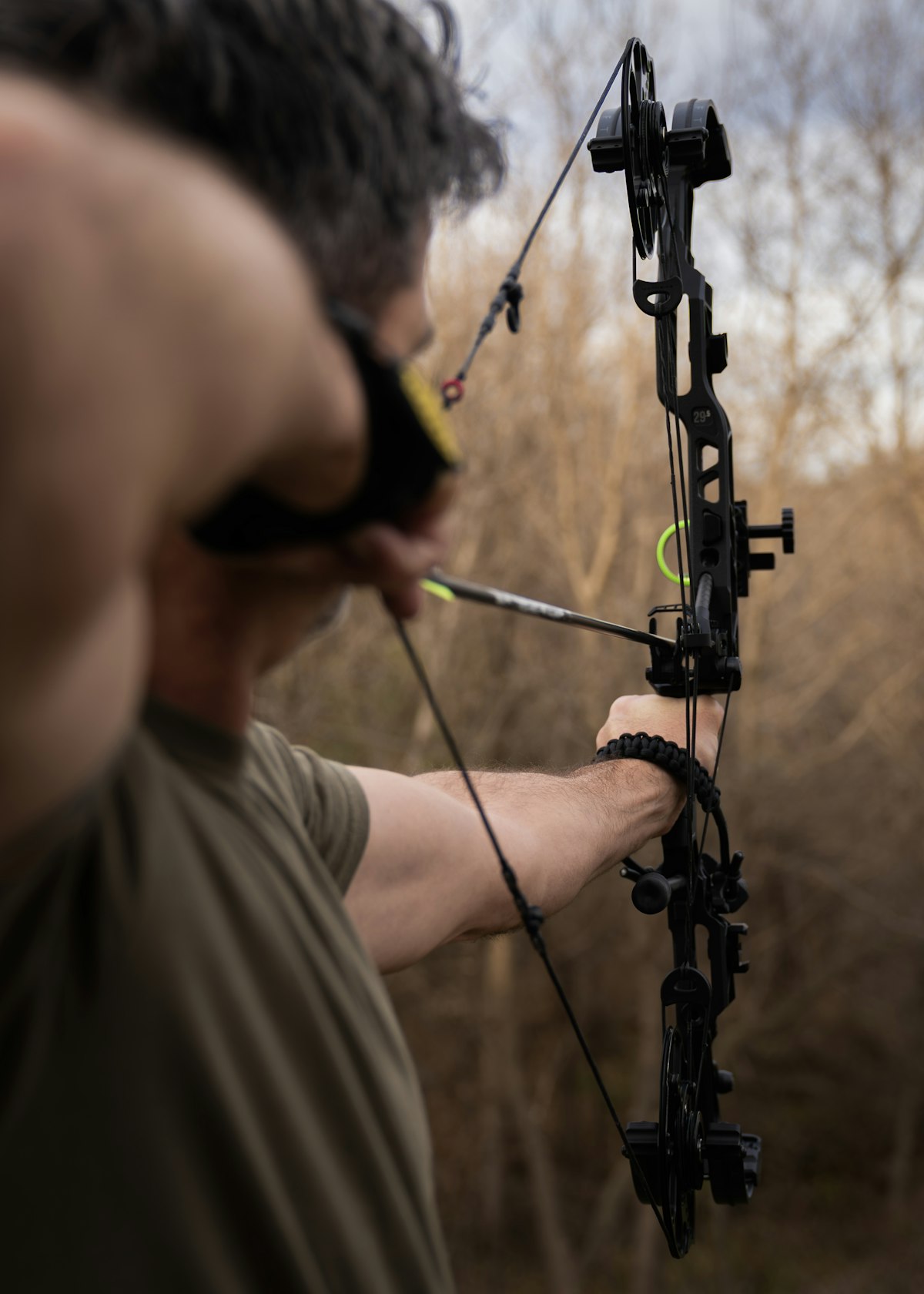
FWP has tightened its language around archery equipment. Standard compound bows remain legal for all archery hunters with no minimum draw weight requirement, but let-off cannot exceed 80 percent. This clarification addresses the wave of newer high-let-off models hitting the market. Crossbows used under disability permits now require a minimum 125-pound draw weight and bolts at least 16 inches in length.
New Block Management Access
Access provisions have shifted in southwestern Montana. Some Block Management Area parcels from 2025 didn’t re-enroll, but new landowner agreements opened access in the Crazy Mountains foothills and Shields Valley. Notable additions include the 3,200-acre Hogan Ranch in Park County (walk-in access to elk transition habitat along the Shields River) and the 1,800-acre Anderson Creek parcel in Meagher County. Download the current Block Management Atlas from fwp.mt.gov to see the full updated map.
🏹 Gear Up for Elk Season
Drop-Away Arrow Rest — Reliable full-containment rest for hunting setups
Digital Bow Scale with Peak Display — Verify your draw weight meets state requirements
100 Grain Practice Broadhead — Dial in your broadhead accuracy before the draw
🏹 Recommended Gear for Elk Season
Colorado: OTC Units Moving to Draw and the 2028 Point System Shift
Colorado Parks and Wildlife made headlines by continuing to tighten nonresident archery elk access. The V1A nonresident archery elk license moved to a draw in 2025, and while nearly every unit went leftover (making tags still easy to pick up), the structural change signals where CPW is headed.
For 2026, the bigger news is on the rifle side — but it has cascading effects on archery hunters too. Second and third season over-the-counter rifle bull elk licenses in units 54, 55, and 551 are moving to limited draw. That means more rifle hunters may pivot to archery-only seasons in those units, increasing pressure during September.
Key Colorado Changes for Archery Elk Hunters
GMUs 11, 12, 13, 23, 24, 131, 211, and 231 are moving back to unlimited antlered bull elk licenses for second and third rifle seasons. GMU 82 is removing its antler point restriction on elk. First and fourth rifle elk licenses in GMUs 3, 4, 5, 301, 441, 214, and 14 are moving to either-sex, which could redistribute hunting pressure and affect elk behavior patterns that archery hunters rely on during September.
GMU 40 will have a new late-season cow elk hunt running December 1 through 15, aimed at managing an above-objective herd. Antlerless elk licenses in GMUs 44, 444, 45, and 47 are moving back to the B list.
But the biggest long-term change is still looming: Colorado’s preference point system shifts to a bonus-plus-preference hybrid in 2028. Hunters sitting on high point totals may want to burn them before half the tags go random. If you have four or more points for a premium elk unit, the next two years are your window to use them with maximum value.
Colorado’s 2026 big game draw application deadline is April 7, 2026. Results drop May 26 through 29. Apply at cpw.state.co.us.
Idaho: Nonresident Tags Now Require a Draw
Idaho made a structural shift that hit nonresident elk hunters hard: general season deer and elk tags for nonresidents now go through a draw. If you didn’t know that going in, you either missed the window or wasted money on a license for a hunt you couldn’t take.
This change fundamentally alters Idaho’s appeal for out-of-state bowhunters who previously counted on buying a general tag over the counter. Idaho’s backcountry elk hunting is some of the finest in North America, but the tag structure now requires advance planning and draw participation.
Resident hunters are unaffected by this change. If you’re an Idaho resident with archery elk ambitions, your access remains the same. But nonresidents who previously treated Idaho as a backup plan after striking out in Montana or Colorado draw cycles need to build Idaho into their primary application strategy going forward.
What These Changes Mean for Your 2026 Application Strategy
The trend across all three states is clear: access is tightening, quotas are shifting based on real herd data, and the days of casual over-the-counter elk tag buying for nonresidents are fading. Here’s how to adapt your approach.
Diversify your applications. Don’t put all your eggs in one state’s basket. Apply in Montana, Colorado, and Idaho if you’re a nonresident. Add Wyoming and Utah to the mix if your budget allows. Each state has different deadline windows, and spreading your applications increases your odds of drawing at least one quality elk tag.
Study the new district maps. Boundary changes in Montana mean that last year’s research may not apply to the same area. Download current maps from each state’s fish and game website and compare them against your saved waypoints and scouting data.
Run the draw odds before applying. Montana and Colorado both publish historical draw statistics broken down by district, permit type, and preference point total. If you’re sitting on three points and targeting a district that historically required five, redirect your application to a unit where your points actually give you a realistic shot.
🎯 Top-Rated Broadheads for Elk
Consider eastern Montana. The Missouri Breaks country isn’t the mountain scenery most bowhunters picture when they think about elk hunting, but the expanded quotas and 40 to 65 percent draw odds make these units genuinely attractive. The terrain is different — river breaks, coulees, and rolling prairie rather than timber — but the elk are there, and the tags are gettable.
Watch Colorado’s 2028 deadline. If you’ve been patiently building preference points in Colorado for a premium archery elk unit, the upcoming shift to a hybrid draw system in 2028 means half the tags will go random. Your accumulated points lose some of their guaranteed value. Consider burning them in 2026 or 2027 while the current system still rewards patience.
Critical Deadlines at a Glance
- Montana: Deer and elk permit applications due early April 2026. Moose, goat, sheep, and bison due May 1. B licenses and antelope due June 1.
- Colorado: Big game draw applications March 1 through April 7, 2026. Results May 26 to 29.
- Idaho: Check idfg.idaho.gov for current nonresident draw deadlines. The controlled hunt application period typically opens in April.
- Wyoming: Elk applications usually due January 31 (already closed for 2026). Plan ahead for 2027.
- Utah: General season and limited-entry elk applications through the draw system at wildlife.utah.gov.
🎯 Practice Gear for Elk Season Prep
Arrow Calibration Bow Sight — Precision sighting for long-range elk shots
4-Finger Metal Compound Bow Release Aid — Clean release for consistent accuracy
8mm Aluminum Alloy Practice Arrows — Affordable arrows for high-volume practice sessions
Shop All Archery Accessories →
Don’t Wait Until September
Elk archery season success starts in March, not September. The hunters who fill tags consistently are the ones who study regulation changes, run draw odds, submit applications early, and adjust their strategy based on current data rather than what worked three years ago.
Pull up the regulation booklets for every state you’re considering. Cross-reference district boundaries against your scouting notes. Talk to regional biologists about herd trends in your target units. And get your applications submitted well before the deadlines — server crashes on the last day are a real thing, and losing a year of preference point building because a website timed out is a painful way to learn that lesson.
The elk are out there. The tags are available if you know where to look and how to apply. But the window is closing, and once the deadlines pass, your only option is to wait until 2027.
References
- Montana Fish, Wildlife & Parks — 2026 Elk Hunting Regulations
- Colorado Parks and Wildlife — 2026 Elk Hunting Information
- Montana Outdoor — Montana’s 2026 Elk Regulations Changed
- Idaho Fish and Game — 2026 Big Game Seasons and Rules
